
Review · WALKING TOURS
Reykjavik: World War II Walking tour around the city centre
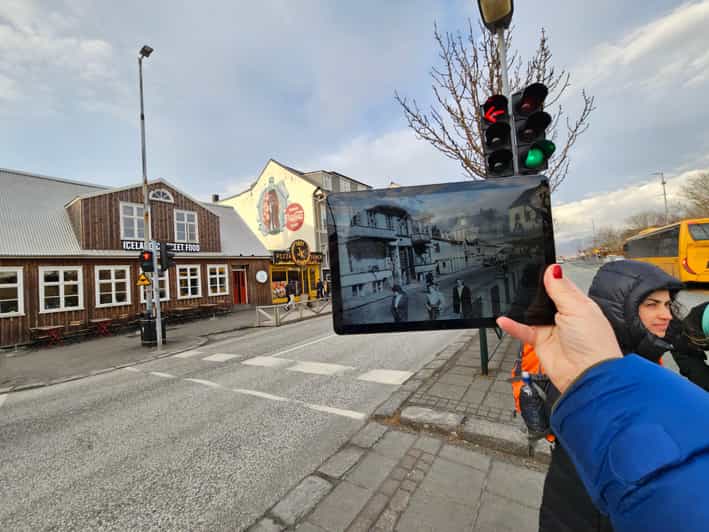
The most surprising part of this Reykjavik walk is its starting point: the Old Harbour, where British troops landed in May 1940. You follow their route into the city, using old photographs and film to compare wartime Reykjavik with the streets you see today.
I like the tour’s mix of military events and everyday life. It explains how British and American forces changed Icelandic food, music, and society, while the use of period images gives the walk a clear visual link to the past. I also like the small side streets and lesser-seen corners that you could easily miss on your own.
The main drawback is the subject matter. This is not a light sightseeing stroll, and it is not suited to children under 10. You also walk in nearly all weather, so poor clothing can quickly spoil an otherwise good two hours.
In This Review
- Key points to know before you book
- Starting at Parliament Square and Hotel Borg
- Seeing where the British landed at the Old Harbour
- Following the soldiers into Reykjavik Old Town
- The German Residence and the wider wartime picture
- A guide-led history walk with room for personality
- How the $40 price measures up
- Weather, clothing, and comfort on the route
- Who will get the most from this walk
- Booking and timing advice
- Should you book the Reykjavik World War II walk?
- FAQ
- Where does the tour begin?
- Where does the tour end?
- How long does the World War II walking tour last?
- What language is the tour in?
- Is the walking tour wheelchair accessible?
- What should I bring?
- Can children join the tour?
Key points to know before you book
- The British landing site is the real starting point: You walk to the Old Harbour and see where the 1940 invasion began.
- The route links war to daily life: Your guide covers food, music, culture, and the effect of American troops on Icelandic society.
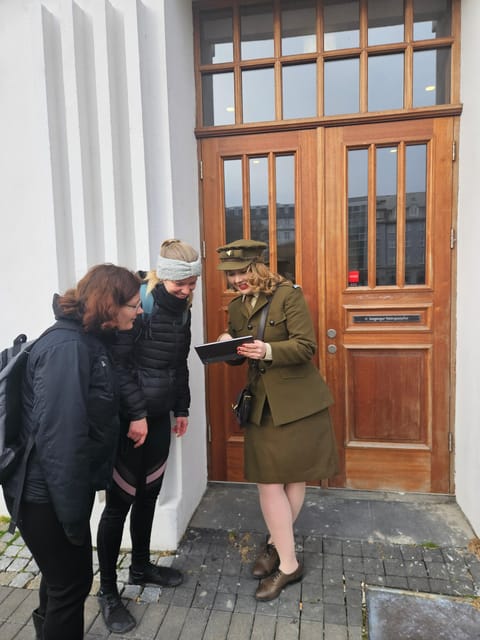
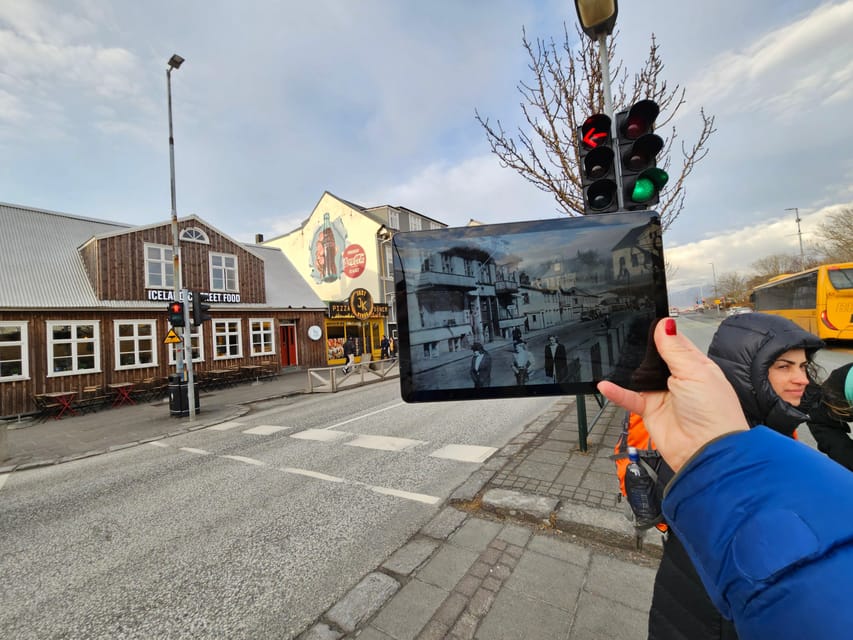
- Period photographs and videos add useful context: You can compare wartime Reykjavik with the streets and buildings around you.
- Lucky may add local ghost stories: Her tour style combines history, humor, and extra tales when the group is interested.
- The walk is mostly flat and wheelchair accessible: There is one small hill, but no stairs.
- Weather matters: Bring rain gear, warm outdoor clothing, and comfortable shoes, even in summer.
Starting at Parliament Square and Hotel Borg
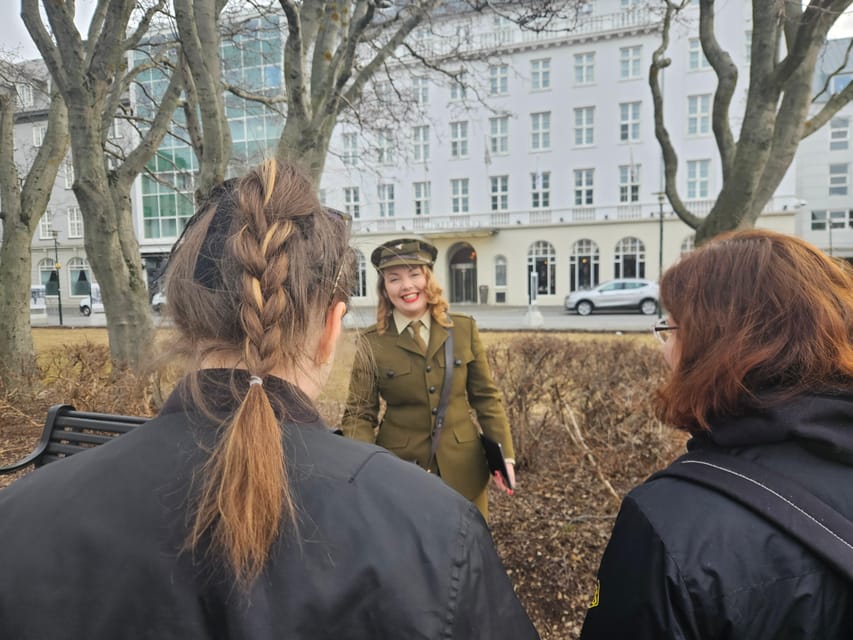
Your meeting point is outside Hotel Borg on Austurvollur, Reykjavik’s Parliament Square. Wait outdoors rather than inside the hotel, then begin with a short walk toward the harbour.
This is a useful place to start because the tour does not treat World War II as a distant event that happened somewhere else. The story begins in the middle of modern Reykjavik, among familiar streets, public buildings, and everyday city life.
Your English-speaking guide sets the scene before the walk gets moving. The focus is Iceland during the Second World War, with particular attention to the British arrival in May 1940 and the later American presence.
That wider focus matters. A tour that only lists troop movements and military buildings can feel dry. Here, you also hear how foreign forces affected ordinary Icelanders and changed the character of the capital.
The meeting point is easy to reach in the city centre, and the tour ends back here after two hours. That makes it simple to fit into a day of sightseeing, especially if you want a guided activity that does not require a bus or a long transfer.
More walking tours in Reykjavik:
- Reykjavik Food Walk – Local Foodie Adventure in Iceland
★ 5.0 · 18,952 reviews - Reykjavík Small group Walking Tour – by CityWalk
★ 5.0 · 5,076 reviews - Reykjavik: Guided Foodie Walking Tour with 6 Tastings
★ 4.9 · 1,645 reviews
Seeing where the British landed at the Old Harbour
The Old Harbour is the key stop. This is identified as the exact landing place of the British invasion, so you get a physical point for an event that can otherwise seem abstract.
The walk helps you picture the soldiers arriving and moving inland. With period photographs and videos, the harbour becomes a place of comparison. You look at the present-day waterfront, then see how the same area appeared during the war.
I find this approach more useful than hearing a long lecture indoors. You are walking through the setting while the guide explains what happened there. The old images also help you notice how much Reykjavik has changed.
The harbour stop is likely to be the most memorable part of the route, but it is also outdoors and exposed. Reykjavik weather can shift quickly, and the tour runs in almost all conditions. Bring a waterproof layer rather than relying on a clear forecast from breakfast.
A camera is worth packing, both for the harbour views and for the contrast between the current city and the historical images. The tour is history-focused, but you are still moving through one of Reykjavik’s central public areas.
Following the soldiers into Reykjavik Old Town
From the harbour, you follow the route taken by British soldiers into the heart of the city. The Old Town section gives the invasion a street-by-street shape.
The guide discusses key buildings taken over as the troops moved through Reykjavik. The information supplied for the tour does not list every building by name, so you should expect the guide to identify them on the walk rather than receive a fixed catalogue in advance.
That format is one of the tour’s strengths. You are not simply shown a building and told that it is old. You learn how its location mattered during the occupation and how the city’s central streets became part of a much larger wartime story.
The Old Town route also includes side streets that you might not find on your own. These are not presented as grand attractions. Their value comes from seeing the city through a different set of clues, with the guide pointing out details linked to the wartime period.
Most of the route is flat. There is a small hill, and you go up and back down it, but there are no stairs. Benches appear at several stops, though not all of them, so you should still be comfortable standing and walking for much of the two hours.
The German Residence and the wider wartime picture
The German Residence is one of the listed highlights. Its place in the route helps broaden the story beyond the British invasion and reminds you that Iceland’s wartime position involved more than one foreign power.
The tour also covers the American presence in Iceland. This is important because the social changes did not end with the first British landing. Your guide explains how American influence affected local life, including the food people ate and the music they danced to.
That detail gives the tour a more human scale. Military history can be all dates, uniforms, and commands. Food and music show how international forces reached homes, streets, and social habits.
I especially like this part for visitors who have already seen the main sights and want a better feel for Reykjavik as a living city. You are not only asking what happened to Iceland during the war. You are also asking what changed afterward and why the period still matters to the city’s identity.
The German Residence stop may be more interesting to history fans than to visitors looking for dramatic architecture. The value lies in the story attached to the place, not in a promise of a major interior visit. The supplied details describe a walking route, not entry into buildings, so plan on viewing locations from outside.
More Reykjavik departures worth comparing
- Reykjavik: City Sightseeing Hop-On Hop-Off Bus Tour
★ 3.9 · 1,283 reviews - Reykjavík City Card
★ 4.3 · 964 reviews - City Sightseeing Reykjavik Hop-On Hop-Off Bus Tour: 24 or 48-Hour
★ 3.0 · 839 reviews - Airport Transfer in Iceland from Keflavik Airport to Reykjavik City With Hotel Drop Off
★ 4.0 · 464 reviews
A guide-led history walk with room for personality
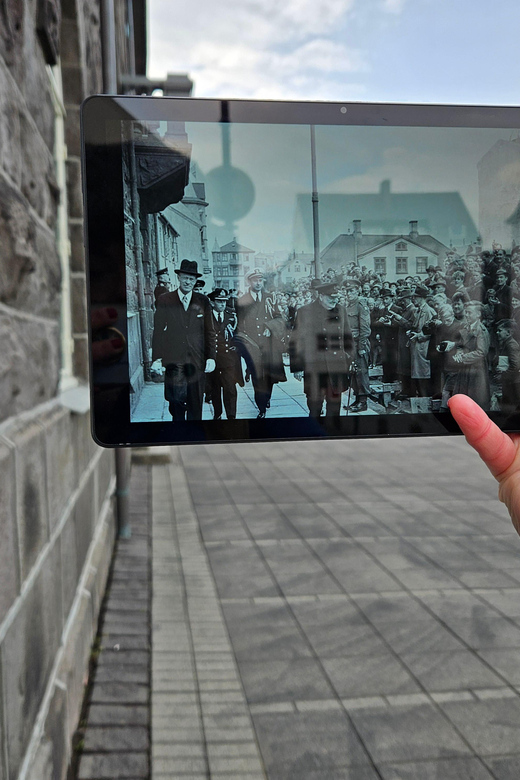
The guide is central to this experience. The tour is in English and uses live storytelling rather than an audio recording or a printed route.
Lucky has been praised for combining strong historical detail with humor, and she can add ghost stories when that suits the group. That is a useful clue about the tone: expect a serious subject, but not a stiff presentation.
Another guide is described as friendly and deeply informed about Iceland’s Second World War story, with clear passion for the subject. The provider is The War Tour, and the experience is built around local interpretation rather than a generic city walk.
You should still keep your expectations practical. This is a two-hour history tour, not a full military museum visit. You will get a guided overview tied to specific places, along with cultural and social background. If you want detailed battle maps, a long list of military hardware, or a visit inside wartime sites, this may feel too general.
For most visitors, though, the balance works well. The guide connects the invasion to the streets, then connects the streets to changes in Icelandic life. That gives you more to think about than a simple account of who arrived and when.
How the $40 price measures up
At $40 per person, this is not the cheapest way to spend two hours in Reykjavik. The value depends on how much you want a focused guide and a clear historical theme.
I think the price is fair if you care about modern Icelandic history and prefer walking to a museum lecture. You get a live English-speaking guide, a full two-hour route, historical photographs and videos, several significant locations, and access to local stories that are hard to assemble from a guidebook.
The tour is also a good use of time early in a Reykjavik stay. It gives you a better sense of the city centre and may change how you read ordinary streets and harbour buildings afterward.
It is less good value if you want a broad introduction to Reykjavik’s landmarks, food, or architecture. The subject stays centered on World War II and its effects. You should book it for the story, not because it covers every major sight.
There are no drinks or snacks included. That is easy to manage in the city, but bring water and consider eating beforehand if you prefer not to stop during the walk.
Weather, clothing, and comfort on the route
The tour goes ahead in almost all weather. Iceland can feel cold even in summer, and the harbour section may be especially unpleasant without protection from wind and rain.
Wear comfortable walking shoes and bring rain gear. Outdoor clothing is more important here than dressing for a short city-centre outing. A camera is also recommended if you want to record the present-day views and the historical contrasts shown by the guide.
Because there are benches at some stops but not all, the tour suits you best if you can walk and stand for much of the two hours. The small hill is the only stated incline, and there are no stairs.
The route is wheelchair accessible. Most of it is flat, but you should still take the hill into account when deciding if the pace suits you. If you have specific mobility concerns, it is sensible to confirm the route details when booking.
The tour is not suitable for children under 10 because of the subject matter. Younger children can be accommodated on a private tour with adjusted material, but that is a separate arrangement.
Who will get the most from this walk
I would recommend this tour to you if you enjoy history that reaches into ordinary life. It suits visitors who want to understand how a foreign military presence affected Reykjavik, not just where soldiers stood.
It is also a good choice if you like guides who can add personality to a serious topic. Lucky’s humor and ghost stories may appeal to you if you prefer a lively walk rather than a formal lecture.
The tour may suit repeat visitors especially well. If you have already seen Reykjavik’s main centre, the wartime route gives familiar places a new purpose. You do not need to know Icelandic history before arriving, since the guide provides the setting as you go.
I would think twice if you dislike outdoor walks in poor weather, have limited tolerance for standing, or are mainly interested in medieval Iceland, sagas, or natural scenery. This is a city history walk about a specific twentieth-century period.
Booking and timing advice
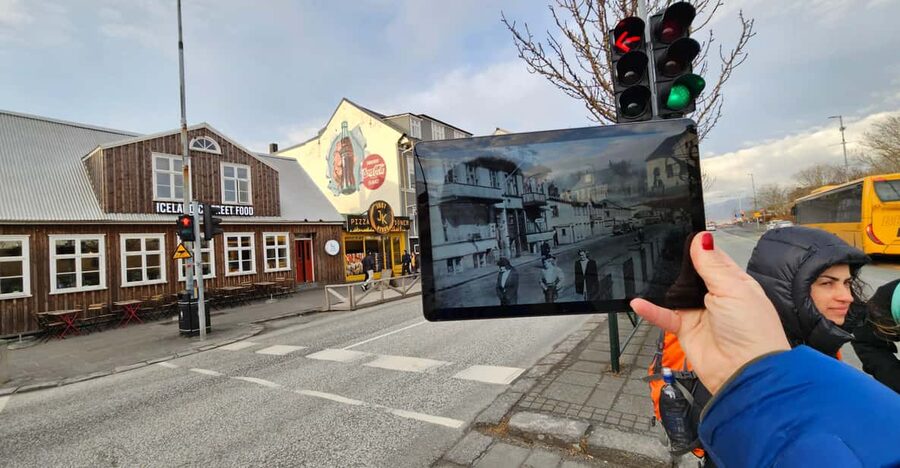
The duration is two hours, with starting times varying by availability. Since the activity returns to Hotel Borg, you can plan another central activity afterward without arranging transport back across the city.
Free cancellation is available up to 24 hours before the tour for a full refund. You can also reserve now and pay later, which helps if your Reykjavik plans depend on weather or changing arrival times.
I would avoid placing this tour immediately after a long excursion if you expect to be tired. Two hours on foot is manageable, but the cold and wind can make it feel longer than the clock suggests.
Book it on a day when you can listen closely. The streets themselves are easy to explore at any time. The real value comes from the guide’s explanations, images, and links between the British landing, the American presence, and Icelandic social change.
Should you book the Reykjavik World War II walk?
Book this tour if you want a focused, place-based look at how World War II changed Reykjavik. The Old Harbour landing site, the route through the Old Town, the German Residence, and the discussion of American influence make it more than a basic invasion story.
At $40, it offers solid value for history-minded visitors who want a live guide and a compact city-centre route. Just dress for Icelandic weather, expect some standing, and do not bring children under 10 unless you arrange a private version.
Skip it if you want a general city tour or a relaxed indoor activity. For the right audience, though, this is a smart way to see Reykjavik with sharper eyes.
FAQ
Where does the tour begin?
The tour begins outside Hotel Borg on Austurvollur, also known as Parliament Square. You should wait outside rather than inside the hotel.
Where does the tour end?
The walk ends back at the meeting point outside Hotel Borg.
How long does the World War II walking tour last?
The tour lasts two hours. Starting times vary, so check availability when choosing your date.
What language is the tour in?
The live tour guide speaks English.
Is the walking tour wheelchair accessible?
Yes. The route is wheelchair accessible, mostly flat, and has no stairs. There is one small hill that the tour goes up and back down.
What should I bring?
Bring comfortable shoes, a camera, rain gear, and suitable outdoor clothing. The tour operates in almost all weather, and Iceland can feel cold even during summer.
Can children join the tour?
The tour is not suitable for children under 10 because of the subject matter. A private tour can be arranged for younger children with adjusted material.
Newest write-ups around Reykjavik
- Private Snæfellsnes National Park★ 5.0 · 3 reviews
- Private South Coast tour with Glacier walk★ 5.0 · 3 reviews
- Exclusive Westman Islands Adventure – A Private Day Tour★ 5.0 · 3 reviews
- Blue lagoon Premium and Private Golden circle tour★ 5.0 · 3 reviews
- Private Superjeep Tour To Landmannalaugar and Hekla Volcano★ 5.0 · 3 reviews
- Private South Coast Tour: A Journey to Iceland’s Stunning Shore★ 4.5 · 3 reviews
- Reykjavik: PRIVATE Golden Circle tour with 5 TOP stops★ 5.0 · 3 reviews
- Sólheimajökull Glacier Hiking Tour★ 3.7 · 3 reviews
Walking Tours, compared.
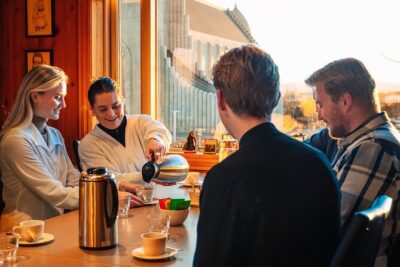
Reykjavik Food Walk – Local Foodie Adventure in Iceland
Read our review →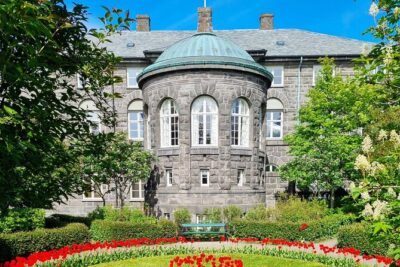
Reykjavík Small group Walking Tour – by CityWalk
Read our review →
Reykjavik Folklore Walking Tour: Meet the Elves, Trolls & Ghosts of Iceland
Read our review →
Funky History Walking Tour in Reykjavik – With local storyteller
Read our review →Browse the lists this tour appears in