
Review · WALKING TOURS
Reykjavik Walking Tour – Walk with a Viking
Reykjavík’s Viking story is only the beginning on this two-hour walk. You move from the old settlement site and Parliament to the harbor, Harpa Concert Hall, shopping streets, and Hallgrímskirkja, giving you a useful first look at how the capital fits together. The group is capped at 12, so the guide can answer questions and adjust the pace.
I like the relaxed route and the local advice on food, cafés, and places worth returning to. I also like the range of guides, including Bo, Einar, Ester, Dúi, Magnús, Óli, and Stefán, who bring different touches such as folklore, volcano stories, political humor, music, and photos. The main consideration is weather: this is an outdoor walk in all conditions, and one poor experience involved a guide whose tone and language fell well below the standard you should expect.
In This Review
- Key points to know before you book
- Why this walk works well on your first day
- Meeting the guide at Ingólfstorg
- Aðalstræti and Reykjavík’s earliest chapters
- The Settlement Exhibition and the Viking connection
- Austurvöllur, City Hall, and the center of civic life
- Tjörnin, a calm pause in the city
- Alþingi and the story of Icelandic democracy
- The old graveyard on Suðurgata
- The Old Harbour and Reykjavík’s working edge
- Harpa’s changing glass and light
- Laugavegur, Arnarhóll, and the walk uphill
- Hallgrímskirkja, the natural finish
- How the guides shape the experience
- Price, pace, and practical value
- Should you book Walk with a Viking?
- FAQ
- How long does the Reykjavík Walking Tour last?
- How much does the tour cost?
- Where does the tour begin?
- Where does the tour end?
- What language is the tour offered in?
- How large is the group?
- Is hotel pickup included?
- Are food and drinks included?
- Does the tour enter the museums and landmarks?
- What happens if the weather is poor?
Key points to know before you book
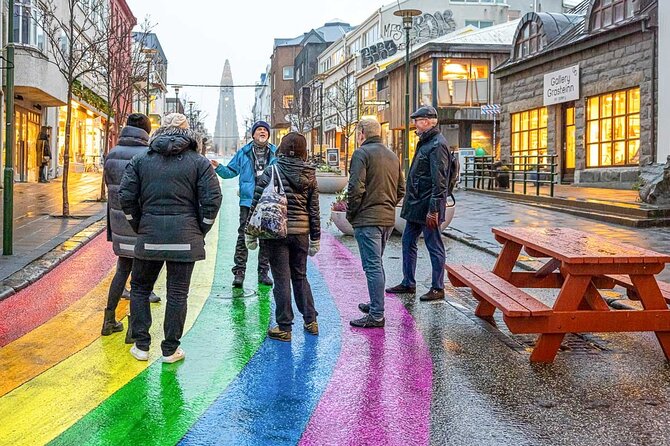
- A compact first-day orientation: The route links Reykjavík’s main central sights, ending at Hallgrímskirkja.
- Vikings plus modern Iceland: Expect settlement stories, elves and hidden people, politics, daily life, food, and current issues.
- Small groups matter: A maximum of 12 people makes questions and conversation easier.
- A gentle walking pace: Most of the route is flat, with one small hill and frequent stops.
- Practical local tips: Guides point out places to eat, shop, and revisit during the rest of your stay.
- Weather is part of the deal: Bring proper clothing, since the tour runs outdoors in rain, snow, wind, and other conditions.
Why this walk works well on your first day
I see this as a get your bearings fast tour rather than a formal history lecture. Reykjavík is compact, but its sights are spread across several districts and waterfront areas. A guide helps you connect them into a clear route instead of seeing a church, a concert hall, a lake, and a harbor as unrelated stops.
The Viking angle gives the walk its hook, but the best part is the wider picture. You learn how the settlement period shaped Iceland, then move into stories about folklore, civic life, art, food, schools, volcanoes, and modern social issues. That range is useful because Iceland is more than sagas and dramatic scenery.
I would book it near the start of your stay. You can return to the places that catch your interest, use the restaurant suggestions, and understand the layout before spending time on day trips outside the capital. The route ends at Hallgrímskirkja or the nearby Einar Jónsson Sculpture Garden, so you finish in a good area for further exploring.
The tour has earned a 4.7 rating from 1,018 reviews, with 93 percent recommending it. Most praise centers on the guides’ warmth, clear storytelling, humor, sensible walking speed, and ability to answer questions. One lower rating describes offensive and condescending behavior from a guide, so I would treat that as an important reminder that guide quality can vary from one departure to another.
More walking tours in Reykjavik:
- Reykjavik Food Walk – Local Foodie Adventure in Iceland
★ 5.0 · 18,952 reviews - Reykjavík Small group Walking Tour – by CityWalk
★ 5.0 · 5,076 reviews - Reykjavik: Guided Foodie Walking Tour with 6 Tastings
★ 4.9 · 1,645 reviews
Meeting the guide at Ingólfstorg
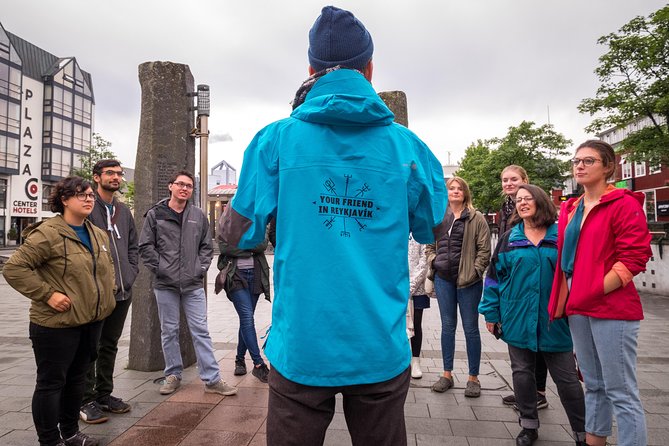
You meet at Ingólfur Square, known locally as Ingólfstorg, in central Reykjavík. Look for the two stone pillars, each more than three meters high, in front of Center Hotels Plaza at Aðalstræti 6. The square is also near the beginning of Austurstræti.
The meeting point deserves careful attention. Reykjavík has more than one square with stone columns, and a map app can send you to the wrong place. Allow time to check the directions and arrive at least five minutes early. The local guides usually wear a light blue jacket marked Your Friend in Reykjavik on the back.
This is a practical meeting spot near public transportation, cafés, and the old downtown streets. Hotel pickup is not included, so you need to make your own way there.
Aðalstræti and Reykjavík’s earliest chapters
The first part of the walk brings you along Aðalstræti, one of the oldest streets in Reykjavík. The old house here offers a direct link to the city’s early days, with traditional architecture tucked among newer buildings.
This stop is less about entering a grand monument and more about seeing how old Reykjavík survives within the modern center. The guide fills in the human side of the story, helping you picture a smaller settlement before the city acquired its present streets, public buildings, and waterfront.
The stop is short, about 10 minutes, which is appropriate. You get useful context without spending too long looking at one building from the outside.
The Settlement Exhibition and the Viking connection
At the Settlement Exhibition, the route pauses beside a museum built around the remains of a Viking longhouse. The archaeological site lies below the modern city, a sharp reminder that Reykjavík’s earliest story is literally underfoot.
The tour only spends about five minutes here, and admission is not included. That means you should not expect a full museum visit. Instead, the guide explains what you are seeing from outside and places the site within Iceland’s settlement story.
I like this choice because it keeps the walk moving while giving the Viking theme a real anchor. If the settlement period is your main interest, you may want to return later and pay separately to see the exhibition properly.
Different weather plan, same pickup point:
- Reykjavik: Golden Circle Full-Day Tour with Kerid Crater
★ 4.8 · 24,485 reviews - Iceland: Northern Lights Bus Tour from Reykjavik
★ 4.1 · 11,161 reviews - Reykjavík: South Coast Waterfalls, Black Sand & Glacier Tour
★ 4.8 · 11,030 reviews - Reykjavík: Whale Watching and Marine Life Cruise
★ 4.6 · 9,838 reviews
Austurvöllur, City Hall, and the center of civic life
Austurvöllur Square gives you a pleasant change of mood. Cafés and historic buildings surround this open gathering place, where people sit, meet friends, and take a break from the streets.
The guide can help you read Reykjavík as a living city rather than a collection of attractions. This is a place to notice ordinary routines, not just take photographs. It also makes a useful reference point if you want to return for coffee or a quiet pause.
Nearby, Reykjavík City Hall introduces local government and civic life. The building represents the city’s administration and democratic traditions. Depending on access at the time, you might see artwork or learn more about the council chambers, but the walking tour treats it as a brief exterior stop.
The City Hall portion lasts about five minutes. That is enough for an explanation, not enough for an extended indoor visit. Keep your expectations in line with the format.
Tjörnin, a calm pause in the city
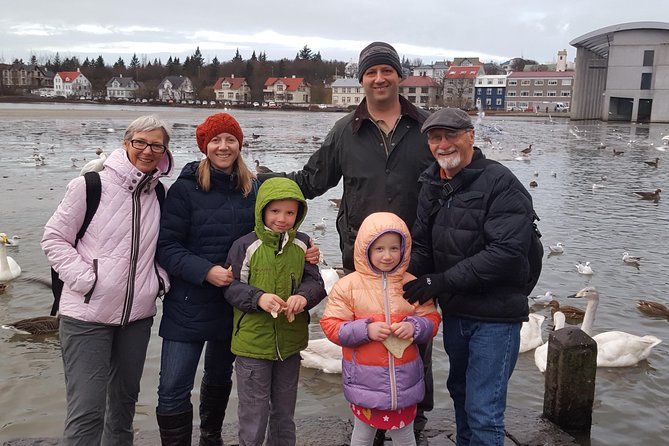
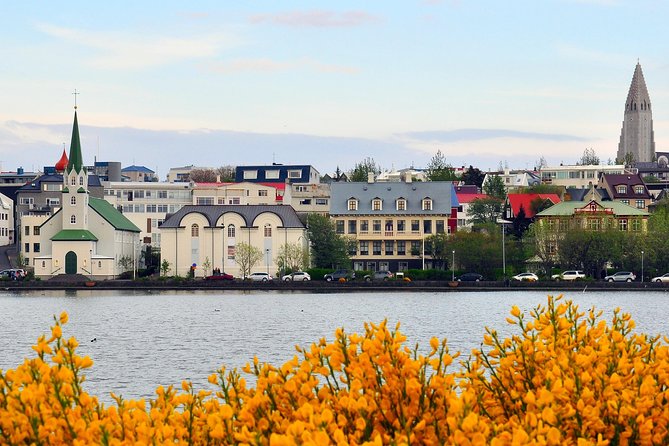
Lake Tjörnin is one of the most restful points on the route. The water reflects surrounding buildings, and ducks, gulls, and other waterfowl add movement to the scene. Paths and benches make it an easy place to slow down.
You spend about 15 minutes here, the longest stop on the walk. That extra time helps break up the sightseeing. After several historical buildings and urban streets, Tjörnin gives you a little breathing room.
The lake also shows Reykjavík’s compact character. You are still in the middle of the capital, yet the setting feels quieter and more open. I would use this stop to ask the guide about daily life, weather, local customs, or anything you have noticed since arriving.
Alþingi and the story of Icelandic democracy
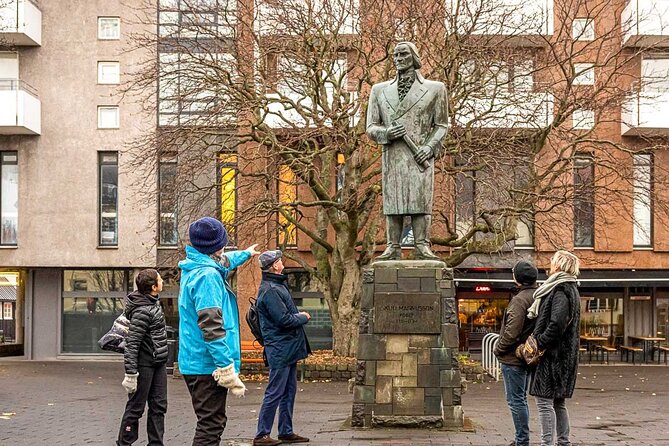
The next section turns to Alþingi, Iceland’s Parliament. Its roots reach back to the Viking Age and the year 930, making it one of the strongest links between Iceland’s early political life and its modern government.
The tour presents Parliament as more than a handsome building. It is a chance to understand how Icelanders connect present-day public life with an institution that began in the settlement era. The guide may discuss the building, its role, and the political traditions tied to it.
This is another brief stop of about 10 minutes. The tour does not include a scheduled parliamentary session or promise access to every interior room, so think of it as a guided introduction from the street rather than a government-building tour.
The political material can be one of the more entertaining parts, especially with a guide who uses gentle humor. Bo was praised for mixing local facts with political jokes, stories, and legends, while other guides have brought their own style to the same material.
The old graveyard on Suðurgata
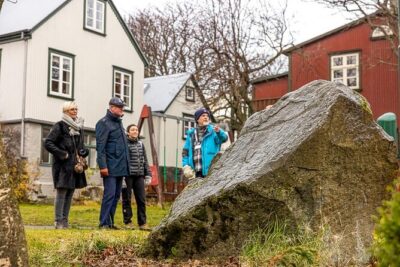
Kirkjugarðurinn Suðurgötu, described as Iceland’s oldest graveyard, adds a quieter and more reflective stop. Weathered stones and the calm setting offer a different way to consider the country’s past.
You spend about 10 minutes here. The focus is not on spooky theatrics, but on people who lived before modern Iceland took shape. A good guide can use the site to connect names, families, faith, and local memory.
Some people may find this stop less immediately exciting than Harpa or the harbor. I think it earns its place because it slows the pace and adds depth to the walk.
The Old Harbour and Reykjavík’s working edge
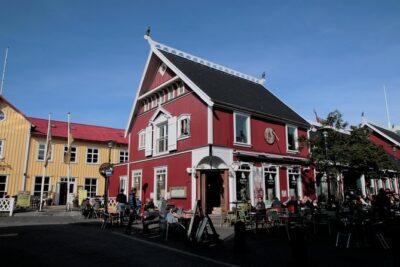
The Old Harbour brings you back to the sea. Colorful buildings, boats, waterfront restaurants, and shops give the area a strong maritime feel. You can sense the link between Reykjavík’s location and its long dependence on the ocean.
The stop lasts about 10 minutes, enough for a walk along the waterfront and a few suggestions for returning later. Ask about seafood, cafés, or the best time to come back. The tour does not include food or drinks, but this is one of the places where the guide’s dining advice can pay off.
The harbor is also a useful landmark for the rest of your visit. It is easy to connect with other central streets from here, and the waterfront offers a different view of the capital than the inland squares.
Harpa’s changing glass and light
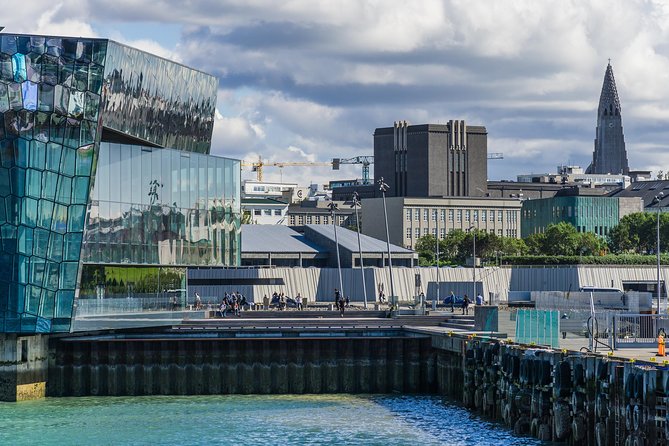
Harpa Concert Hall is one of Reykjavík’s most striking modern buildings. Its outer walls resemble shifting crystal forms, and the design changes as daylight and artificial light play across the glass.
The guide spends about 10 minutes here, explaining the building and pointing out its visual details. Some guides add a musical touch. One guide sang inside the music hall, a memorable bit of local personality that shows how much the experience can depend on who leads your group.
Harpa is free to view from the outside, and the tour does not promise a concert or a full performance visit. If you want to attend an event, you would need to arrange that separately. Still, the building is worth seeing even on a short walk because it gives you a clear sense of modern Reykjavík’s design.
Laugavegur, Arnarhóll, and the walk uphill
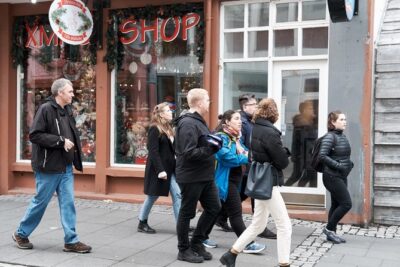
Laugavegur is Reykjavík’s main shopping street, lined with cafés, boutiques, and places to eat. The stop here is short, about five minutes, but the guide’s recommendations can be more valuable than a long speech. Make a note of shops and restaurants that fit your interests, then return when you have time.
The route also includes Arnarhóll, a hill with views over downtown rooftops, Hallgrímskirkja, and the mountains in the distance. The walking information describes one small hill and otherwise mostly flat ground, so this is the section where you will notice the only real incline.
The view makes the effort worthwhile. It helps you understand the shape of central Reykjavík and see how the main church relates to the streets and harbor.
Hallgrímskirkja, the natural finish
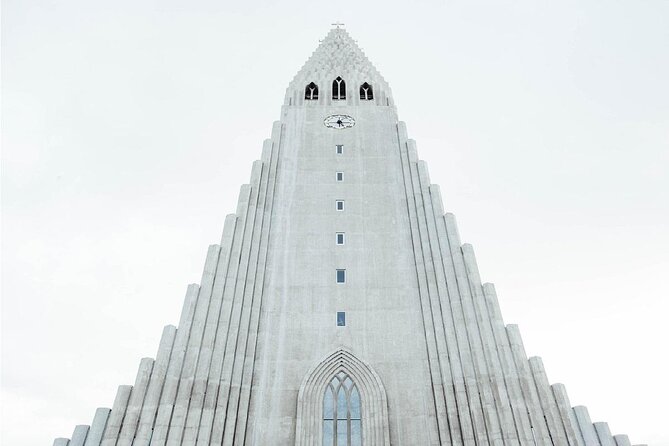
The walk ends at Hallgrímskirkja, Reykjavík’s towering Lutheran church. Its tall, simple form is easy to spot from many parts of the city, and the building makes a strong finish to a route through both old and new Reykjavík.
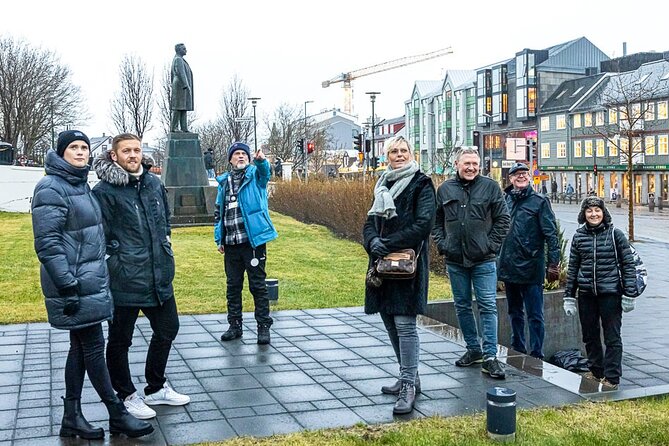
The guide spends about 10 minutes here, sharing stories about the church and its unusual design. The tone may be playful. The tour description promises quirky tales, and the guides are encouraged to entertain as well as explain.
Admission to the church itself is not included. The tour ends either at Hallgrímskirkja or at the Einar Jónsson Sculpture Garden beside it. That gives you two good options after the group separates: see the church on your own, or explore the sculpture garden next door.
How the guides shape the experience
Guide style is the biggest variable. Names praised in the feedback include Bo, Einar, Ester, Dúi, Magnús, Óli, Robyn, Stefán, Stephen, and Ana. Their strengths differ, but the best tours share a few traits: clear speech, an easy pace, local stories, and time for questions.
Bo was singled out for combining facts with folklore, political humor, and legends. Einar brought history, personal warmth, and even some singing. Ester was praised for humor, clear delivery, and taking photos that she sent to the group later in the day.
Other guides added strong knowledge of volcanoes, food, schools, city life, and Icelandic customs. That variety is a plus if you enjoy conversation rather than a fixed script. One person found a guide difficult to hear, and another reported offensive behavior, so the company should continue to keep a close eye on consistency.
Price, pace, and practical value
At $55.63 per person, this is not a bargain basement walking tour. You are paying for a small group, a two-hour route, a local guide, and a broad introduction to central Reykjavík. The group limit of 12 is important because it leaves more room for questions and makes it easier to hear the guide than in a large crowd.
The value is strongest if you take it early in your visit. A few good restaurant tips, a clear sense of the downtown layout, and advice on places to revisit can save time over the next several days. The tour is less valuable if you already know central Reykjavík well or want detailed access to museums and interiors.
Most people can participate, and children must be with an adult. Service animals are allowed. Since the walk operates in all weather conditions, wear waterproof layers and shoes with a firm grip. The tour does not include refreshments or hotel transport.
Free cancellation is available up to 24 hours before the start time for a full refund. If the provider cancels because of poor weather or too few bookings, you can receive another date or a full refund.
Should you book Walk with a Viking?
I would book this tour if you are new to Reykjavík, want a human introduction to the capital, or enjoy history mixed with folklore and everyday local detail. It is especially useful on day one, before you choose restaurants, museums, and independent walks.
I would skip it if you prefer long museum visits, private guiding, or a tightly focused Viking archaeology tour. The route covers many places, but most stops are short and admission is not included.
For the best fit, book near the beginning of your stay, arrive early at the correct stone pillars, and dress for Icelandic weather. You get a friendly orientation, a manageable route, and enough local context to make the rest of your Reykjavík visit more rewarding.
FAQ
How long does the Reykjavík Walking Tour last?
The tour lasts approximately two hours.
How much does the tour cost?
The listed price is $55.63 per person.
Where does the tour begin?
The meeting point is Ingólfur Square, or Ingólfstorg, at Hlöllabátar, Ingólfstorgi 1, Reykjavík. Meet by the two tall stone pillars.
Where does the tour end?
The walk usually ends at Hallgrímskirkja Church or in the nearby Einar Jónsson Sculpture Garden.
What language is the tour offered in?
The tour is offered in English.
How large is the group?
The maximum group size is 12 people.
Is hotel pickup included?
No. Hotel pickup and drop-off are not included.
Are food and drinks included?
No. You need to pay separately for any food or drinks.
Does the tour enter the museums and landmarks?
The walk passes or visits the listed sights, but admission is not included for places such as the Settlement Exhibition. Entry to Hallgrímskirkja is also not included.
What happens if the weather is poor?
The tour operates in all weather conditions, so you should dress appropriately. If the provider cancels because of poor weather, you can choose another date or receive a full refund.
Newest write-ups around Reykjavik
- Private Snæfellsnes National Park★ 5.0 · 3 reviews
- Private South Coast tour with Glacier walk★ 5.0 · 3 reviews
- Exclusive Westman Islands Adventure – A Private Day Tour★ 5.0 · 3 reviews
- Blue lagoon Premium and Private Golden circle tour★ 5.0 · 3 reviews
- Private Superjeep Tour To Landmannalaugar and Hekla Volcano★ 5.0 · 3 reviews
- Private South Coast Tour: A Journey to Iceland’s Stunning Shore★ 4.5 · 3 reviews
- Reykjavik: PRIVATE Golden Circle tour with 5 TOP stops★ 5.0 · 3 reviews
- Sólheimajökull Glacier Hiking Tour★ 3.7 · 3 reviews
Walking Tours, compared.

Reykjavik Food Walk – Local Foodie Adventure in Iceland
Read our review →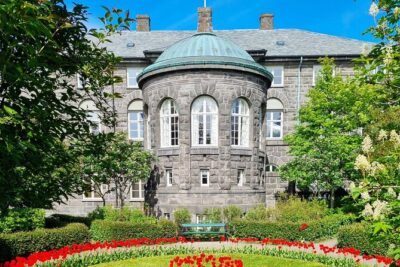
Reykjavík Small group Walking Tour – by CityWalk
Read our review →
Reykjavik Folklore Walking Tour: Meet the Elves, Trolls & Ghosts of Iceland
Read our review →
Funky History Walking Tour in Reykjavik – With local storyteller
Read our review →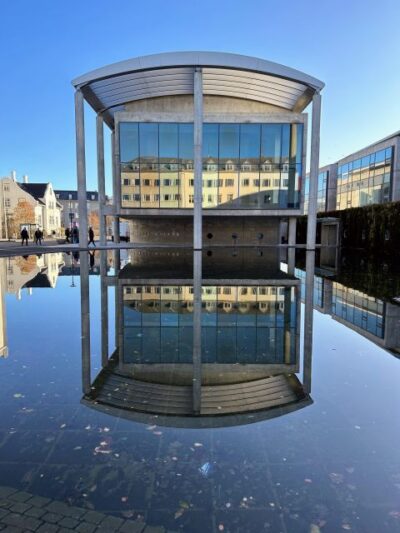
City Walking tour in Small Group with Local Guide
Read our review →Browse the lists this tour appears in