
Review · VOLCANO & LAVA TOURS
Volcano Exhibition and Cinema – Lava Centre Iceland
Iceland’s fiery heart is not just something you see from a distant roadside viewpoint. At Lava Centre, you get close to the forces that split the island apart, raise volcanoes from the sea, and turn fresh lava into new ground. The earthquake simulator and live earthquake map make the geology feel immediate, while the eruption cinema brings recent events into sharp focus.
I especially like the way the exhibition explains familiar Icelandic sights, from black sand to geysers and colorful mountains. I also like the chance to look toward Eyjafjallajökull, Katla, Hekla, and the Westman Islands from the viewing deck. The main caution is scale: this is an exhibition visit, not a hike to an active volcano, and many people will spend about an hour here rather than a full day.
In This Review
- Key points
- Why Lava Centre belongs on a South Iceland day
- The Trembling Earth and Iceland’s moving crust
- The Fiery Heart of Iceland explains the hot spot
- Thirty volcanic systems, many different forms
- Recent eruptions in Grindavík and at the Blue Lagoon
- From black sands to colorful mountains
- The observation deck and the volcanoes outside
- How long should you allow?
- The $42 price and what you receive
- Who will get the most from this visit?
- Practical tips for planning your stop
- Should you book Lava Centre?
- FAQ
- Where is Lava Centre located?
- What does admission include?
- How much does the experience cost?
- Is Lava Centre wheelchair accessible?
- Which languages are available?
- Can I cancel my booking for a refund?
Key points
- Feel a simulated earthquake while learning how Iceland’s tectonic plates pull apart.
- Watch recent eruptions involving Grindavík and the Blue Lagoon in the cinema.
- See how magma becomes lava and tephra, with displays on Iceland’s many volcanic structures.
- Look across southern Iceland toward four large dormant volcanoes and volcanic islands.
- Connect geology to real scenery, including black sands, geysers, and brightly colored mountains.
- Use the visit as a flexible stop, with wheelchair access and a one-day validity period.
Why Lava Centre belongs on a South Iceland day
South Iceland gives you volcanoes in every direction, but the story can be hard to read from the road. A black plain may be cooled lava, volcanic ash, or sand made from rock broken down by water and wind. A mountain may be a volcano, a crater, or a glacier-covered peak hiding a volcanic system beneath it.
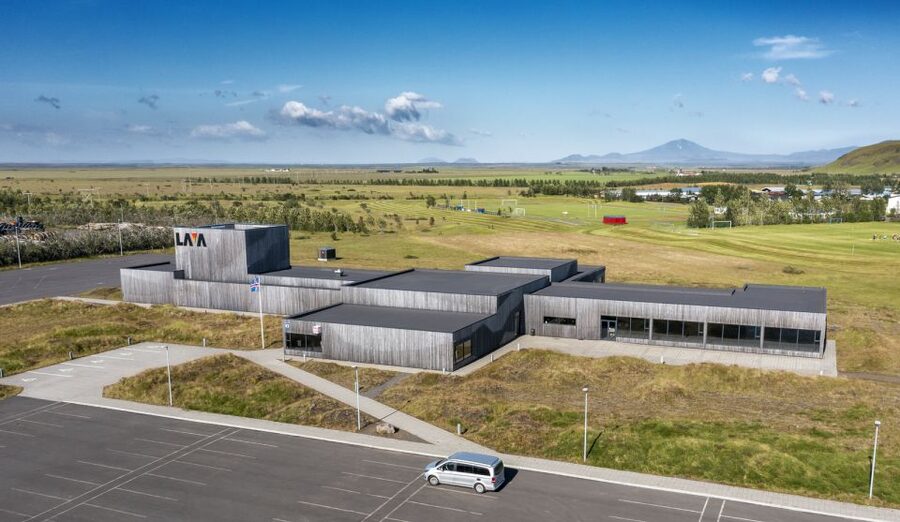
Lava Centre gives you the basic map before you see more of the region. Its setting near Hvolsvöllur places you within view of some of Iceland’s best-known volcanoes, including Eyjafjallajökull, Katla, and Hekla. That location matters. The displays are not explaining a distant subject in a city museum. They are helping you interpret the ground outside.
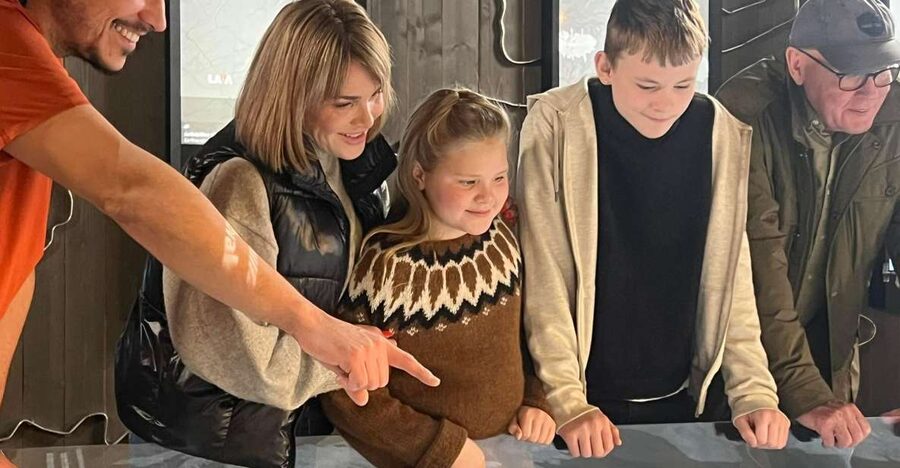
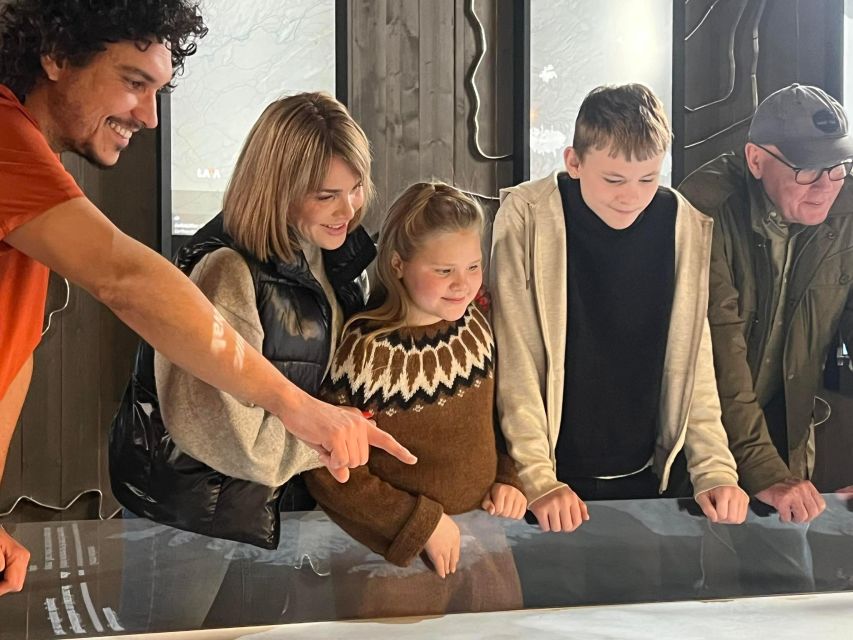
I would consider this a useful stop on a south-coast route, especially if the weather is poor or you want more than scenic photographs. It also works well for families because the exhibits ask you to press, watch, listen, and take part instead of simply reading long wall panels.
More volcano and lava days:
- Reykjavik: LAVA SHOW – Immersive Experience Entry Ticket
★ 4.8 · 3,360 reviews - Lava Show Reykjavik Admission Ticket – Optional Premium Upgrade
★ 5.0 · 3,278 reviews - Reykjavik: Red Lava Horse Riding Tour
★ 4.8 · 2,383 reviews
The Trembling Earth and Iceland’s moving crust
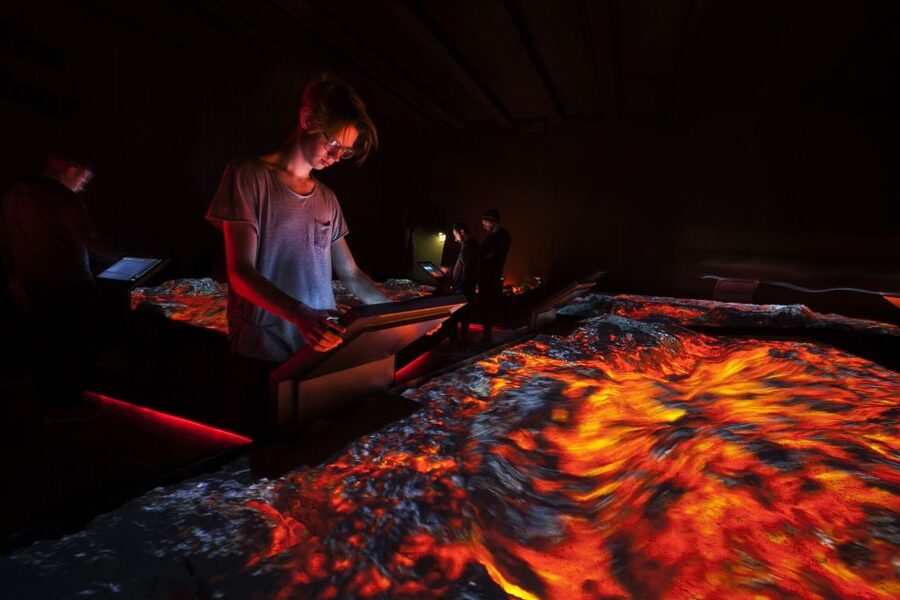
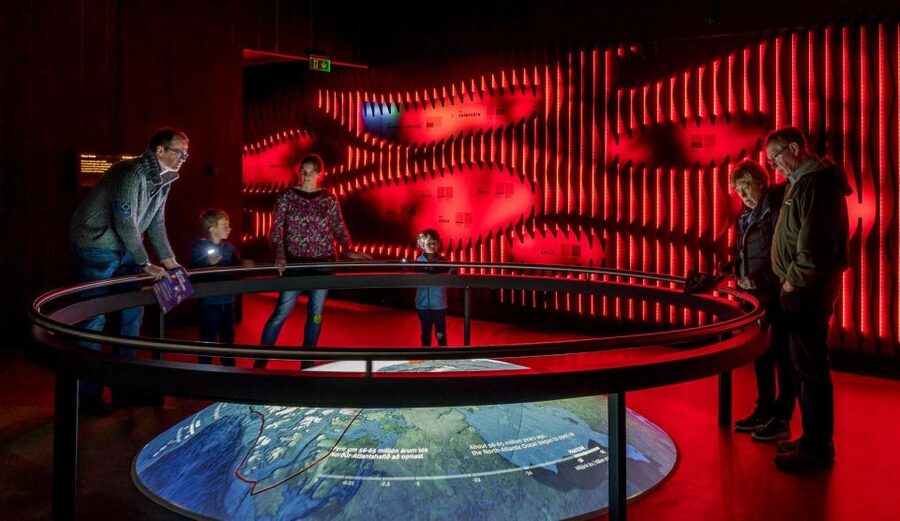
Start with the Trembling Earth section, where the focus is on earthquakes and the movement of tectonic plates. Iceland sits across a divergent plate boundary, where the North American and Eurasian plates slowly move apart. Magma rises through the opening, helping build the island.
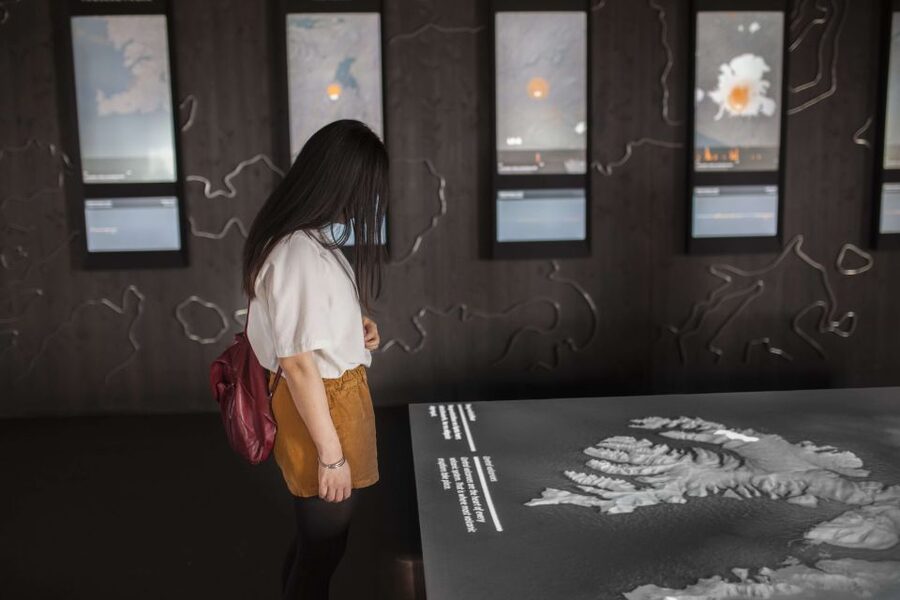
You can watch earthquakes appear on a live map, which turns an abstract idea into something happening now. The point is not that every tremor becomes a major eruption. Instead, you see how small movements are part of the constant activity beneath Iceland.
The earthquake simulator adds a physical jolt to the lesson. You feel the floor move and get a simple sense of why buildings, roads, and people must account for a restless crust. It is brief, but it gives children and adults a memorable reference point.
I like this section because it avoids treating volcanoes as isolated mountains. The volcano is only one part of a much larger system. Plate movement, pressure, fractures, and rising molten rock all work together.
The Fiery Heart of Iceland explains the hot spot
The Fiery Heart of Iceland display moves from earthquakes to magma. At the boundary between the plates, magma normally rises from below. Iceland also sits over a mantle plume, often called a hot spot, located beneath the central highlands. The combination helps explain why volcanic activity is so strong here.
You will hear the difference between magma and lava. Molten rock below the surface is magma. Once it reaches the outside world during an eruption, it is called lava. Airborne fragments are known as tephra, and these pieces can range from fine ash to larger broken chunks.
This distinction may sound simple, but it helps when you later see ash fields, lava flows, or dark beaches. Iceland’s scenery is full of evidence from earlier eruptions. The centre gives you the words and basic processes needed to make sense of it.
The displays also show how magma behaves when it meets water or ice. It may break apart into tephra, spreading material over a broad area. That is one reason Icelandic eruptions can affect places far from the main vent, and why ash has played such a major part in the country’s natural story.
Thirty volcanic systems, many different forms
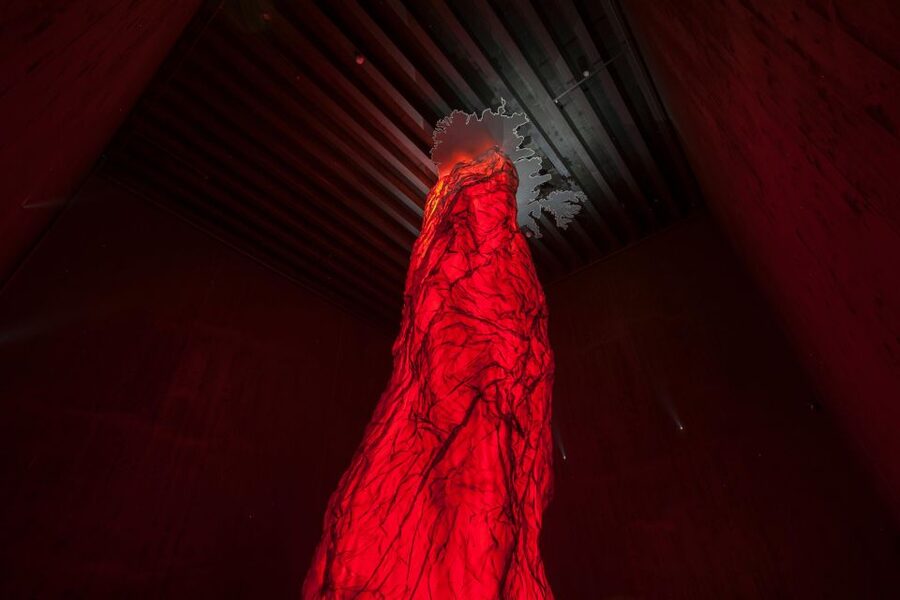
Iceland has about 30 volcanic systems, and they do not all look or behave alike. The Magma Learning Center introduces the structures formed by volcanic activity, helping you understand why one volcano may be broad and gently sloping while another has a steep, dramatic profile.
This is one of the more useful parts of the visit if you plan to see several parts of Iceland. You begin to recognize that a volcano is not always a perfect cone. Eruptions can create craters, fissures, lava fields, islands, and layers of ash and rock.
The exhibition also explains how volcanic activity keeps changing the country. New material can cover older ground, rivers can cut through ash, and weather gradually reshapes cooled lava. The result is a country that is still being built and altered.
I would take time here rather than rushing straight to the cinema. The film is the most dramatic part of the visit, but the learning displays provide the framework that makes those eruption scenes more meaningful.
More museums and exhibitions in Reykjavik:
- Reykjavik: Perlan Museum Wonders of Iceland Entrance Ticket
★ 4.7 · 2,575 reviews - Reykjavík: Hop-On Hop-Off Bus and Perlan Museum Entry Ticket
★ 4.3 · 719 reviews - Reykjavik: Whales of Iceland Museum Entrance Ticket
★ 4.4 · 493 reviews - Reykjavík: National Museum of Iceland Entry Ticket
★ 4.4 · 432 reviews
Recent eruptions in Grindavík and at the Blue Lagoon
The cinema focuses on recent eruptions, including events around Grindavík and the Blue Lagoon. These places are familiar names to many people visiting Iceland, so the footage connects the exhibition to current events rather than only to ancient volcanic history.
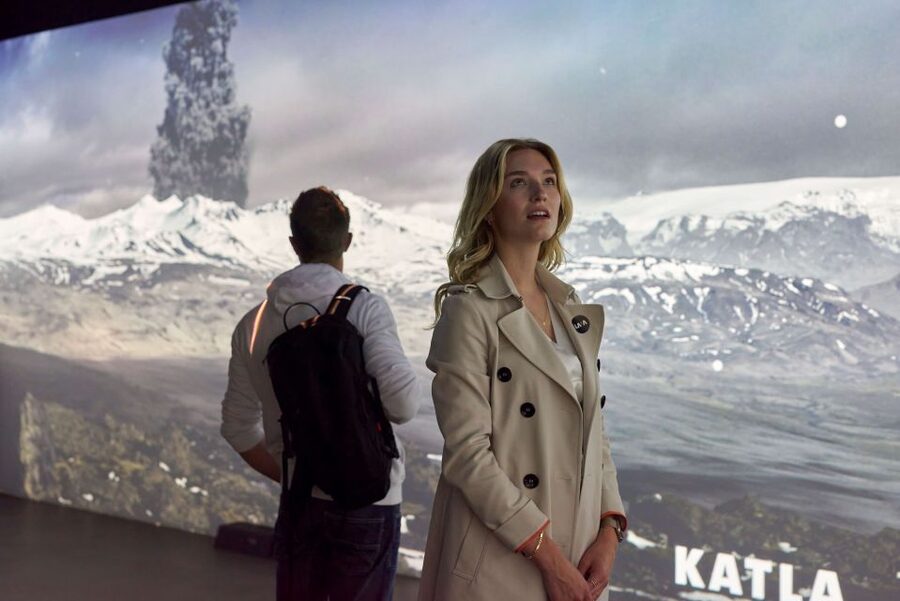
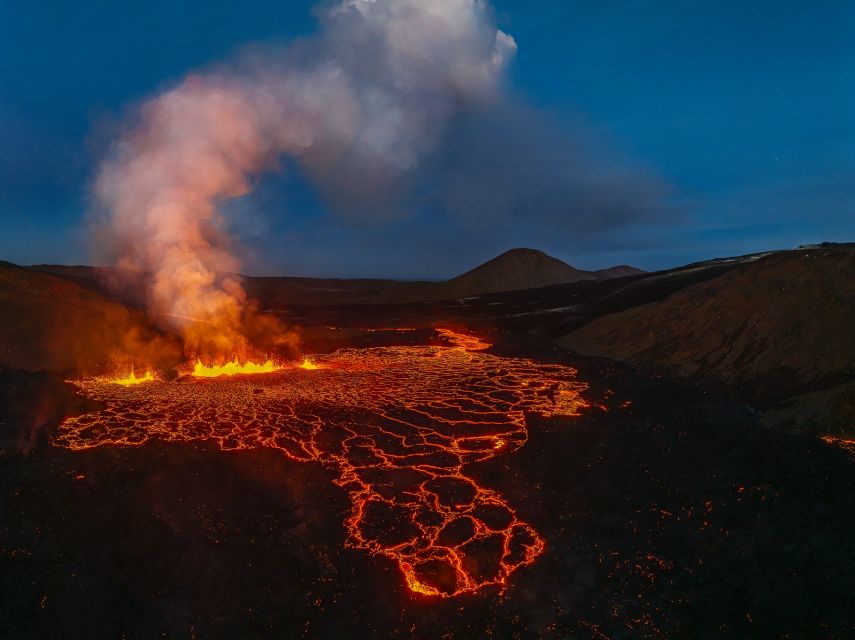
Expect a visual presentation of eruptions, lava, and the effects of volcanic activity. It is a strong way to see the scale and force of an eruption without taking risks near an active site. The cinema also gives you a better idea of how quickly a calm-looking area can change when magma reaches the surface.
The film was one of the most praised parts of the experience, and I can see why. Moving images show details that a model cannot: glowing lava, eruptive force, smoke, and the broad reach of volcanic material. If you have already seen eruption clips online, the cinema still gives them a clearer place within Iceland’s geological story.
The main limitation is that the supplied information does not give the film’s exact running time or screening schedule. Check the available starting times when you book so you can plan the rest of your day around it.
From black sands to colorful mountains
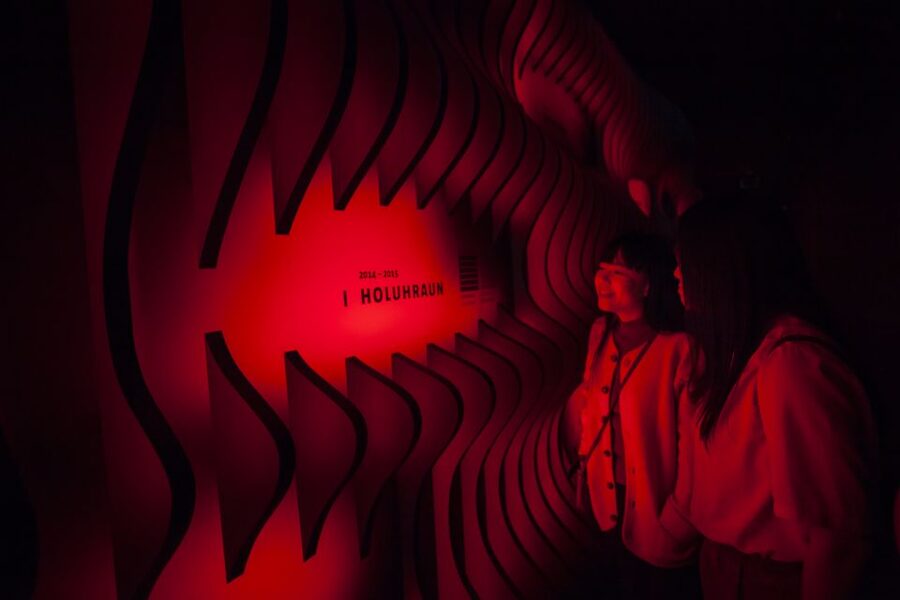
One of Lava Centre’s best jobs is linking science to the views you already came to Iceland to see. Black sand is not simply a dramatic color choice. It often comes from volcanic rock broken down into small grains. Geysers also make more sense once you understand underground heat, water, and pressure.
Colorful mountains can reflect different types of rock and volcanic material. Layers formed at different times may weather at different rates, creating bands and shades across a slope. The exhibition does not replace seeing these places in person, but it helps you notice details that are easy to miss from a tour bus.
This matters for the rest of your South Iceland journey. After the visit, a black beach becomes part of a volcanic process, not just a photogenic stop. A steaming area becomes evidence of heat below the surface. A broad lava field starts to look like a record of past eruptions.
The observation deck and the volcanoes outside
The Local Volcano section and outdoor observation deck give you a chance to connect the displays with real peaks. You can see four large, active but currently dormant volcanoes, along with a group of volcanic islands. Two of the volcanoes are among Iceland’s most active and productive.
Eyjafjallajökull is especially familiar because its 2010 eruption disrupted air travel across Europe. Katla is another major volcano in the region, hidden beneath the Mýrdalsjökull ice cap. Hekla has a long record of eruptions and is one of Iceland’s best-known volcanic names.
The views depend on weather and visibility, as they do at every Icelandic viewpoint. The deck is not a substitute for a mountain hike, and you should not expect every peak to be clear on every visit. Still, it adds real value because the volcanoes described indoors are not just diagrams. They are out on the horizon.
If the sky is open, I would save a few minutes for the deck at the end. Seeing the mountains after learning how they formed gives the visit a satisfying finish.
How long should you allow?
The activity is valid for one day, but that does not mean you need to devote an entire day to it. The available information suggests that about one hour can be enough for a focused visit. You might stay longer if you read every display, spend time with the interactive stations, watch the cinema carefully, and use the observation deck.
I would allow roughly one to two hours in a South Iceland itinerary, without treating that as a fixed official duration. The exact time depends on your pace and the cinema schedule. Families with children may take longer because the simulator and hands-on stations invite repeated stops.
The centre works well as a break between outdoor sights. You get shelter, a chance to use your mind rather than your hiking boots, and a way to keep the day interesting when rain or wind makes a long outdoor stop less appealing.
The $42 price and what you receive
At $42 per person, admission is not a minor roadside attraction price. You are paying for access to the exhibition, cinema, and observation deck, rather than a guided volcano hike or transport from Reykjavík.
The value depends on how interested you are in geology. If you only want a quick viewpoint, the price may feel high. The viewing deck is pleasant, but it is not the main reason to come. The strongest value comes from the combination of interactive displays, live earthquake information, the simulator, and recent eruption footage.
I think the price makes more sense for visitors who want context. You are not only looking at a volcano. You are learning how plate boundaries, magma, water, ice, and tephra shape the country. That background can improve the rest of your trip, especially if you are visiting the south coast, black-sand beaches, geothermal areas, or volcanic islands.
Food and drinks are not included, so plan those separately. The visit itself is self-paced, with English and Icelandic available from the host or greeter.
Who will get the most from this visit?
I would recommend Lava Centre to families, curious first-time visitors, and anyone who wants a clear introduction to Iceland’s geology without a technical lecture. The interactive format gives children something to do, while the eruption film and mountain views keep the visit worthwhile for adults.
It is also useful for anyone whose Iceland trip has been shaped by recent volcanic news. The Grindavík and Blue Lagoon material connects the science to places you may have heard about or plan to visit.
This is less essential for visitors who have already spent several days in specialist geology museums or who want every stop to involve outdoor adventure. There is no stated hiking component, and the experience is primarily indoors, with the observation deck as its outdoor element.
The centre is wheelchair accessible. Wheelchairs are included, and ear muffs, flashlights, and support teddy bears are available for young children. Those small touches suggest that the visit is designed to be approachable rather than intimidating.
Practical tips for planning your stop
Check the available starting times before you go, especially if you want to catch the cinema. The booking is valid for one day, and the experience offers reserve-now, pay-later booking, which can help if your South Iceland route depends on weather.
You can cancel up to 24 hours in advance for a full refund. That is useful in Iceland, where road conditions and visibility can change plans quickly.
Do not count on meals being part of the admission. Have food with you or plan a separate stop. Also, give yourself enough time to look outside after the indoor displays rather than treating the observation deck as a quick photo stop.
If you are visiting with small children, ask for the ear muffs, flashlights, and support teddy bears. The earthquake simulator may be exciting for some children and unsettling for others, so keep an eye on how they respond.
Should you book Lava Centre?
Book it if you want to understand the volcanic forces behind South Iceland instead of simply photographing them. The strongest reasons are the earthquake simulator, the live map, the recent eruption cinema, and the direct views toward major volcanoes.
Skip it if your schedule is already packed with outdoor stops and you have little interest in geology. At $42, it deserves more than a rushed half-hour visit.
For most visitors with a spare hour or two, I think it is a worthwhile addition. It turns Iceland’s black sands, steaming ground, mountains, and lava fields into a connected story. That is the kind of museum visit that keeps helping you long after you walk back outside.
FAQ
Where is Lava Centre located?
Lava Centre is in Iceland’s Southern Region, near views of Eyjafjallajökull, Katla, Hekla, and a group of volcanic islands.
What does admission include?
Admission includes the Lava Centre exhibition, the cinema, and the observation deck.
How much does the experience cost?
The listed price is $42 per person.
Is Lava Centre wheelchair accessible?
Yes. The experience is wheelchair accessible, and wheelchairs are included.
Which languages are available?
Host or greeter support is available in English and Icelandic.
Can I cancel my booking for a refund?
Yes. You can cancel up to 24 hours in advance for a full refund.
Newest write-ups around Reykjavik
- Private Snæfellsnes National Park★ 5.0 · 3 reviews
- Private South Coast tour with Glacier walk★ 5.0 · 3 reviews
- Exclusive Westman Islands Adventure – A Private Day Tour★ 5.0 · 3 reviews
- Blue lagoon Premium and Private Golden circle tour★ 5.0 · 3 reviews
- Private Superjeep Tour To Landmannalaugar and Hekla Volcano★ 5.0 · 3 reviews
- Private South Coast Tour: A Journey to Iceland’s Stunning Shore★ 4.5 · 3 reviews
- Reykjavik: PRIVATE Golden Circle tour with 5 TOP stops★ 5.0 · 3 reviews
- Sólheimajökull Glacier Hiking Tour★ 3.7 · 3 reviews
Volcano & Lava Tours, compared.
LAVA SHOW – Immersive Experience Entry Ticket
Read our review →
Lava Show Reykjavik Admission Ticket – Optional Premium Upgrade
Read our review →
Golden Circle, Volcano Crater and Blue Lagoon Small-Group Tour
Read our review →
Raufarhólshellir Lava Tunnel: Underground Expedition
Read our review →
Browse the lists this tour appears in