

Review · MUSEUMS
Reykjavík: National Museum of Iceland Entry Ticket
Iceland’s story is told here through objects that survived fires, weather, changing beliefs, and centuries of isolation. You move from the ship that carried medieval settlers across the Atlantic to a modern airport, a neat idea that makes the country’s past feel like one long journey. I especially like the year-1000 figure of Thor and the first Bible printed in Iceland, two small objects with outsized importance. I also like that one ticket includes the temporary exhibitions, not just the main display.
The main drawback is that the collection can feel spread out, and some objects have less explanation than you may want. The audio guide helps, but if you prefer a clear, numbered route, you may need to pay attention to the exhibition sequence and make your own connections.
In This Review
- Key points to know before you go
- Starting with the ship that brought Iceland’s settlers
- The Thor figure and Iceland’s Viking-era story
- Medieval churches, triptychs, and the arrival of Christianity
- From settlement to modern Iceland in one continuous route
- What the audio guide adds
- Temporary exhibitions and changing reasons to return
- Is $20 a fair price?
- Practical details for a smooth visit
- Who will get the most from this museum?
- Should you book the National Museum of Iceland?
- FAQ
- How long is the National Museum of Iceland ticket valid?
- What does the $20 ticket include?
- Which languages are available for the audio guide?
- Can I see temporary exhibitions with this ticket?
- Is the museum wheelchair accessible?
- Can I bring luggage or a large bag?
- How do I enter the museum?
Key points to know before you go
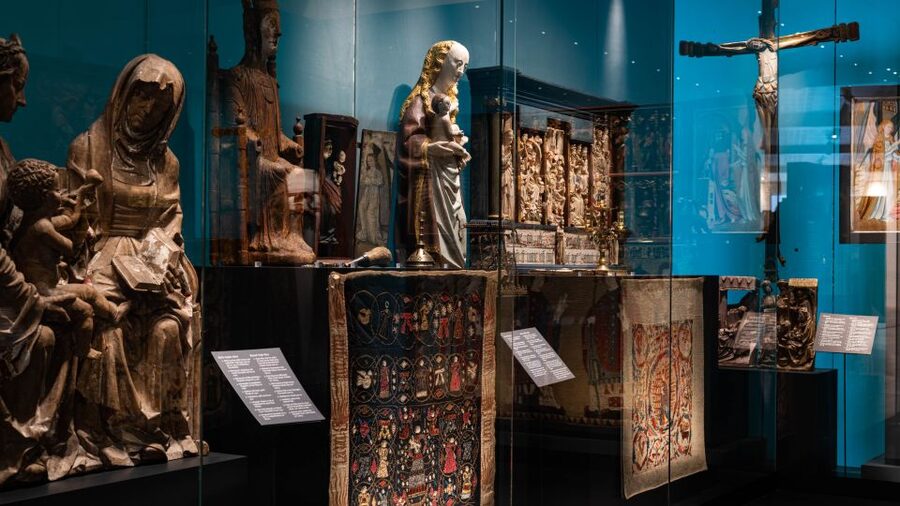
- See a year-1000 Thor figure: This small archaeological object offers a direct link to the beliefs of Iceland’s early settlers.
- Follow Iceland from settlement to airport: The permanent exhibition frames national history as a journey across time.
- Plan on about 90 minutes: That is enough for a useful visit, though history fans will want longer.
- Use the 10-language audio guide: English, Danish, French, Polish, Spanish, Dutch, Swedish, Icelandic, Italian, and Chinese are available.
- Temporary exhibitions are included: The subjects change, but they generally focus on Icelandic culture.
- Bring a small bag: Large luggage and oversized bags are not allowed, and transportation is not included.
Starting with the ship that brought Iceland’s settlers
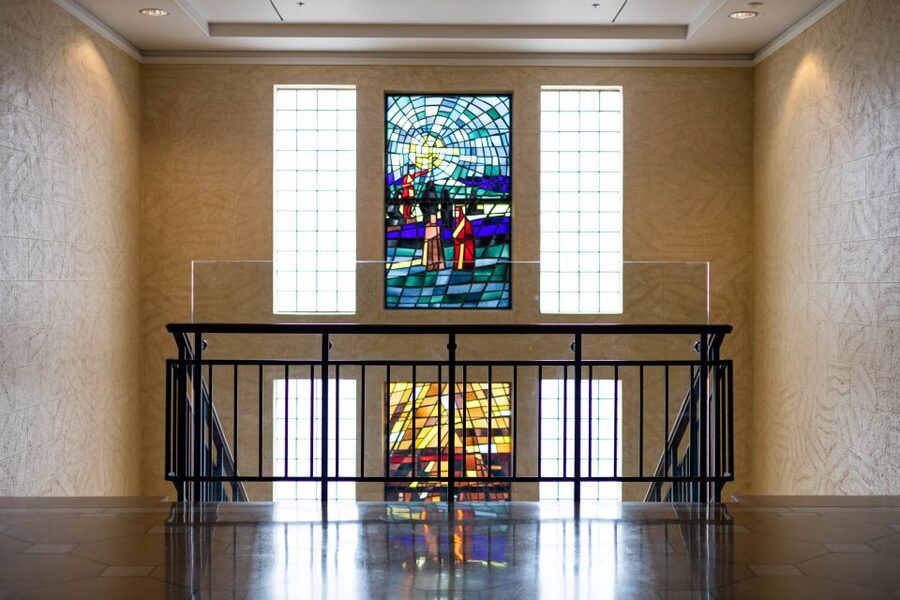
The permanent exhibition asks a useful question: what makes a nation? Instead of presenting Icelandic history as a pile of dates, it uses a journey through time. The opening ship represents the settlers who crossed the ocean to build a new life on a remote island.
That starting point gives the museum a clear purpose. You are not simply looking at old tools and religious objects. You are seeing how a population made a home, developed customs, practiced faith, worked with limited resources, and gradually connected with the outside world.
The exhibition reaches from the Settlement Age to modern Iceland. About 2,000 objects are included, along with photographs from the 20th century. That range is one of the ticket’s strongest features. You can spend your time on Viking-era material, then continue into church history, printing, daily life, and modern national identity.
I would not expect a tightly guided tour with a staff member leading you from room to room. You show your ticket at the reception desk and explore independently. This makes the visit flexible, especially if you have only a short gap between other Reykjavík plans.
More museums and exhibitions in Reykjavik:
- Reykjavik: Perlan Museum Wonders of Iceland Entrance Ticket
★ 4.7 · 2,575 reviews - Reykjavík: Hop-On Hop-Off Bus and Perlan Museum Entry Ticket
★ 4.3 · 719 reviews - Reykjavik: Whales of Iceland Museum Entrance Ticket
★ 4.4 · 493 reviews
The Thor figure and Iceland’s Viking-era story
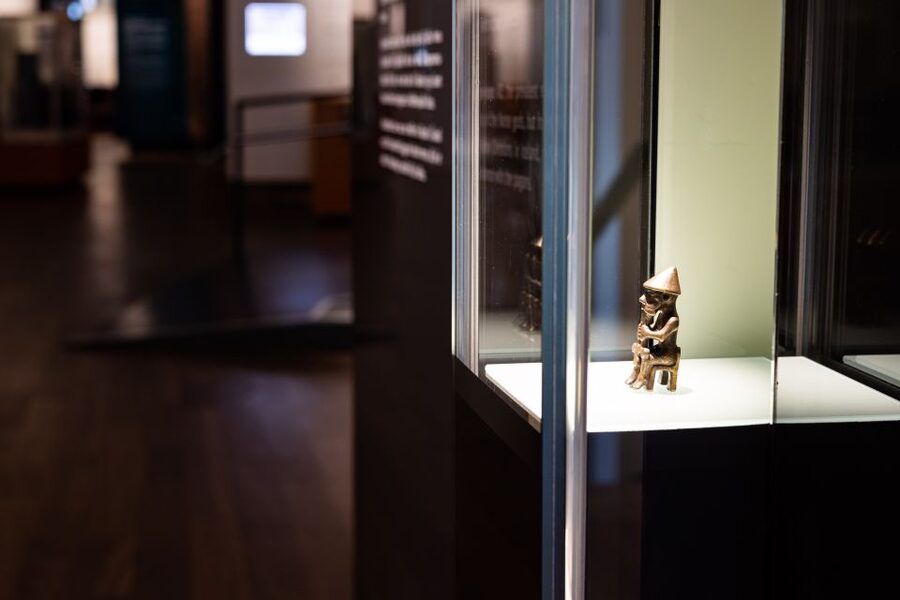
The figure of Thor, dated from around the year 1000, is one of the objects I would seek out first. Thor is familiar from modern films and popular culture, but this figure gives you a much more grounded connection to the god as part of the belief system of early Iceland.
The value is not only the object itself. It helps explain the period when Norse settlers brought their religious traditions with them, before Christianity reshaped public life. If Viking history is your main reason for visiting, this is likely to be your most memorable stop in the museum.
The collection does not focus only on famous people or grand battles. Its strength is the way individual objects point toward ordinary life in a demanding place. You might find tools, religious pieces, domestic items, and other archaeological material that show how people adapted to Iceland.
If you want a fuller treatment of Viking settlement, I would pair this museum with Reykjavík’s Settlement Exhibition. The two visits serve different purposes. The National Museum gives you a broad historical timeline, while the Settlement Exhibition is a more focused look at the earliest period.
Medieval churches, triptychs, and the arrival of Christianity
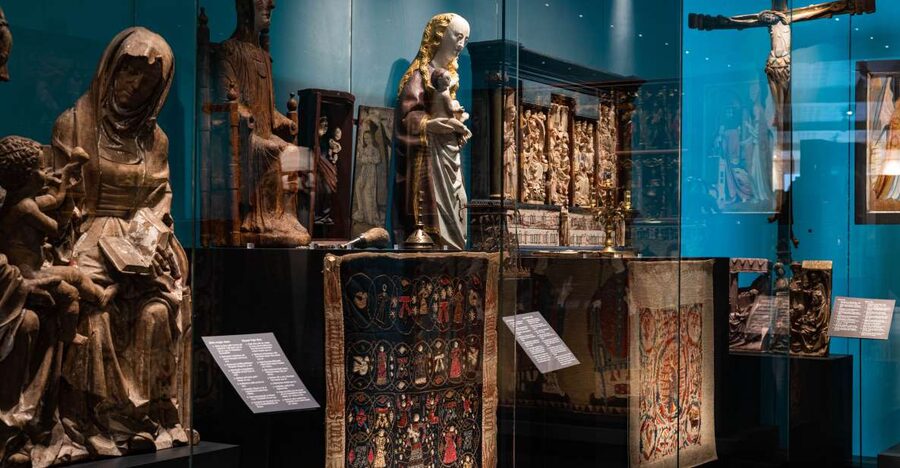
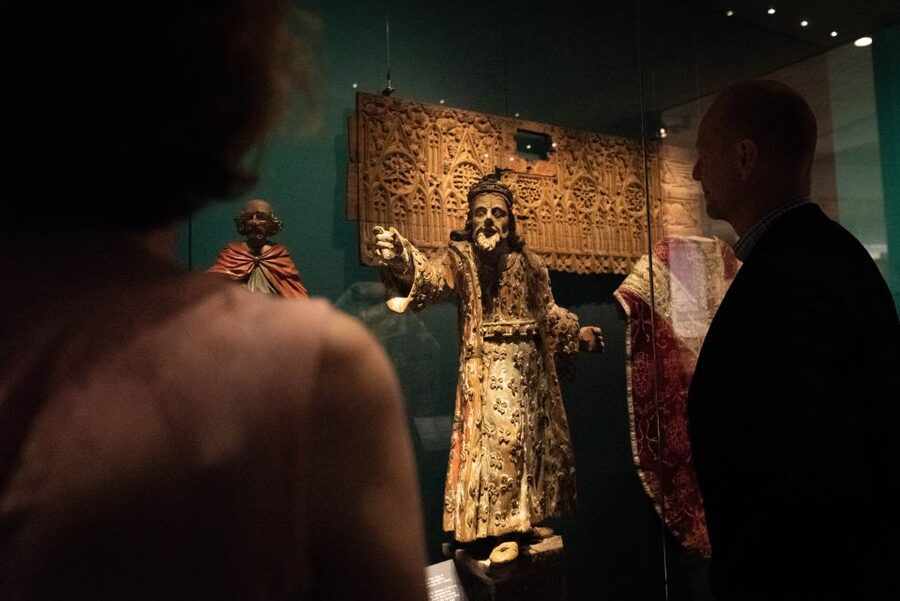
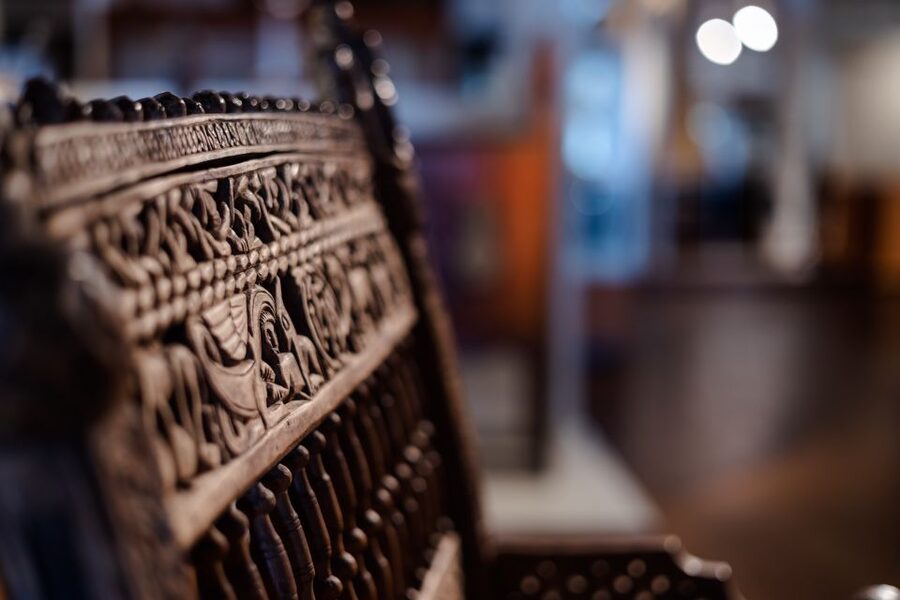
Iceland’s medieval church objects add a different mood to the visit. Carved and painted pieces from churches show how Christianity became part of Icelandic life and how religious art was made, used, and preserved.
The medieval triptychs are especially worth your time. They may appeal to you even if church history is not your main interest, since their craftsmanship and survival are remarkable. I would slow down here rather than treating this section as a quick bridge between the Viking Age and modern history.
The museum also displays the first Bible printed in Iceland during the 16th century. It is considered one of the country’s most beautiful printed works. This is a good example of how the museum connects an object to a much larger change: printing helped preserve language, spread religious texts, and support a developing national culture.
Some displays may not provide as much detail beside each object as you would like. One practical solution is to use the audio guide for the pieces that catch your attention, then read the surrounding text for broader context. You can also ask at the museum if staff are available to discuss a particular exhibit. One especially engaging visit included a young museum staff member who spoke at length about the artifacts and related subjects, though you should not assume a personal guide will be available every time.
From settlement to modern Iceland in one continuous route
The permanent exhibition’s greatest success is its broad sweep. You see Iceland not as a frozen Viking postcard, but as a country that changed over many centuries.
The route includes the early settlement period, religious life, printed material, social customs, and 20th-century photographs. The modern sections help prevent the visit from ending in a distant past that feels disconnected from the Reykjavík you see outside.
The final airport setting is a clever choice. Iceland’s airport is the country’s gateway to the world, just as the ship at the beginning was the settlers’ gateway to their new home. That pairing gives the exhibition a beginning and an end that are easy to remember.
You should expect a museum experience rather than a dramatic attraction. There are no claims of a full day of entertainment here. The reward is context. After visiting, Iceland’s language, churches, settlement stories, and modern identity should make more sense.
Allow about an hour and a half if you want a solid visit without reading every label. You can go faster, but that risks turning the collection into a checklist. If you enjoy social history, archaeology, or national museums, give yourself more time.
More Reykjavik departures worth comparing
- Small-Group Golden Circle, Blue Lagoon with Ticket & Kerid Crater
★ 5.0 · 5,631 reviews - Reykjavik: FlyOver Iceland Entry Ticket
★ 4.7 · 3,499 reviews - Reykjavik: LAVA SHOW – Immersive Experience Entry Ticket
★ 4.8 · 3,360 reviews - Lava Show Reykjavik Admission Ticket – Optional Premium Upgrade
★ 5.0 · 3,278 reviews
What the audio guide adds
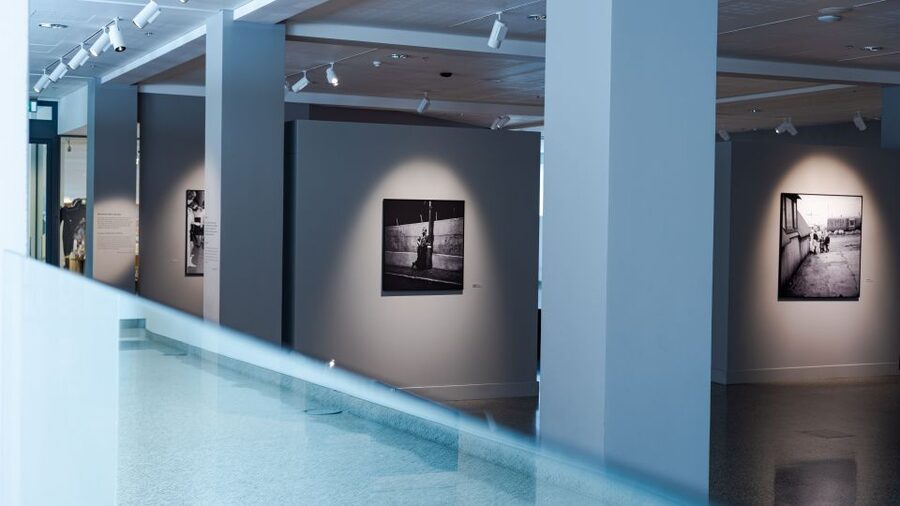
The ticket includes an audio guide in 10 languages: English, Danish, French, Polish, Spanish, Dutch, Swedish, Icelandic, Italian, and Chinese. This is useful because the collection covers a lot of time and many types of objects.
I would use the guide selectively. Start with the opening section, the Thor figure, the medieval church pieces, and the first Icelandic Bible. Then decide how much help you need in the later sections.
An audio guide cannot always replace a conversation with a museum professional. The personal explanation provided by staff during one visit made the objects feel more immediate than a recording alone. Still, having the guide included keeps the ticket useful for independent visitors and for anyone who wants information in a language other than English.
The exhibition can be slightly difficult to follow if you expect every object to have a large, clear number and a perfectly obvious sequence. Keep the overall question in mind: how did people create and maintain a nation in a remote place? That idea helps tie together sections that may otherwise feel separated.
Temporary exhibitions and changing reasons to return
Your admission includes the museum’s temporary exhibitions as well as the permanent display. These change over time, and most relate to Icelandic culture.
That makes the ticket more worthwhile for repeat visits, especially since it is valid for 365 days. The long validity is unusual for a single museum admission and gives you flexibility if your schedule changes or if you want to return during a longer stay in Iceland.
Do check what temporary display is running before you visit if that material matters to you. The permanent exhibition is the dependable reason to come, while the temporary rooms can add a more current or specialized view of Icelandic culture.
The museum shop is another small benefit. It sells exclusive replicas of archaeological finds, so you can take home something linked to the collection rather than a generic souvenir. I would look there after seeing the originals, since the objects will mean more once you understand their place in Icelandic history.
Is $20 a fair price?
At $20 per person, this is not the cheapest indoor stop in Reykjavík, but the value is solid if you spend enough time with it. You receive entry to the permanent and temporary exhibitions, an audio guide, Wi-Fi, and a ticket valid for a full year.
The price works best for adults who enjoy museums or for anyone dealing with a rainy day. One visit of about 90 minutes makes the cost reasonable, especially when the museum gives you background for other Icelandic sights.
Families should think about the ages of their children. The displays include interactive elements, and children can enjoy the objects and stories, but the museum is information-heavy. It may not be the best choice for very small children who need constant movement.
If modern Iceland is your priority, consider pairing this visit with Reykjavík’s Maritime Museum. That combination adds seafaring, fishing, and the Cod Wars to the broader national story. If Vikings are your main interest, choose the Settlement Exhibition instead.
Practical details for a smooth visit
The museum is in Reykjavík, in the Capital Region, and you arrange your own transportation. No transport is included with the ticket, so plan how you will reach the entrance before setting out.
At the museum, show your ticket at the reception desk. The ticket includes skip-the-line entry, which can save a little time, although the larger advantage is having admission arranged before you arrive.
The museum is wheelchair accessible. Large bags and luggage are not allowed, so do not plan to arrive with a full suitcase between hotel check-out and a later departure unless you have another place to store it.
The ticket offers free cancellation up to 24 hours before the scheduled visit, and you can reserve now and pay later. Availability still needs to be checked when booking, even though the ticket itself is valid for 365 days.
I would visit on a rainy afternoon, during a free morning, or early in an Iceland itinerary. The museum gives you useful background before you visit historic sites elsewhere in the country. It also works well near the end of a trip, when you can recognize how the objects connect to places you have already seen.
Who will get the most from this museum?
I recommend the National Museum of Iceland most strongly to:
- First-time visitors: You get a broad introduction to the country’s past in one place.
- History and archaeology fans: The Viking-era objects, church art, printed Bible, and photographs provide plenty to study.
- Adults seeking a rainy-day plan: The museum is meaningful without taking an entire day.
- Independent visitors: You can set your own pace and use the audio guide when needed.
- Repeat visitors to Reykjavík: The year-long ticket and changing temporary displays make a return visit practical.
- Families with older children: Interactive elements can help, though the material may be too demanding for very young children.
I would be less enthusiastic if you want a fast, highly theatrical attraction or a guide leading a group through every room. The exhibition rewards patience and attention. Some labels may feel brief, and the layout can require a little effort to follow.
Should you book the National Museum of Iceland?
Book it if you want to understand Iceland beyond waterfalls, volcanoes, and Viking clichés. The Thor figure, medieval church pieces, first Icelandic Bible, and broad route from settlement ship to modern airport give you a useful framework for the country.
At $20, the ticket is best value when you allow around 90 minutes or more and take advantage of the audio guide and temporary exhibitions. Pair it with the Settlement Exhibition for early Iceland, or the Maritime Museum for seafaring and modern history.
Skip it only if you have very little time in Reykjavík and know that museums are not your style. For most history-minded visitors, this is a sensible indoor stop with real substance and enough flexibility to fit around a busy Iceland schedule.
FAQ
How long is the National Museum of Iceland ticket valid?
The ticket is valid for 365 days. You should still check availability for starting times when booking.
What does the $20 ticket include?
It includes entry to the National Museum of Iceland, access to the permanent and temporary exhibitions, an audio guide, and Wi-Fi.
Which languages are available for the audio guide?
The audio guide is available in English, Danish, French, Polish, Spanish, Dutch, Swedish, Icelandic, Italian, and Chinese.
Can I see temporary exhibitions with this ticket?
Yes. The ticket includes all exhibitions at the museum, including temporary exhibitions. Temporary displays change over time and usually focus on Icelandic culture.
Is the museum wheelchair accessible?
Yes, the National Museum of Iceland is wheelchair accessible.
Can I bring luggage or a large bag?
No. Luggage and large bags are not allowed inside.
How do I enter the museum?
Show your ticket at the reception desk at the National Museum of Iceland. The ticket includes skip-the-line entry.
Newest write-ups around Reykjavik
- Private Snæfellsnes National Park★ 5.0 · 3 reviews
- Private South Coast tour with Glacier walk★ 5.0 · 3 reviews
- Exclusive Westman Islands Adventure – A Private Day Tour★ 5.0 · 3 reviews
- Private Superjeep Tour To Landmannalaugar and Hekla Volcano★ 5.0 · 3 reviews
- Private South Coast Tour: A Journey to Iceland’s Stunning Shore★ 4.5 · 3 reviews
- Blue lagoon Premium and Private Golden circle tour★ 5.0 · 3 reviews
- Reykjavik: PRIVATE Golden Circle tour with 5 TOP stops★ 5.0 · 3 reviews
- Sólheimajökull Glacier Hiking Tour★ 3.7 · 3 reviews
Museums, compared.

Perlan Museum Wonders of Iceland Entrance Ticket
Read our review →
Hop-On Hop-Off Bus and Perlan Museum Entry Ticket
Read our review →
Aurora Reykjavík, The Northern Lights Center Museum Visit
Read our review →
Ancient Historical Site Tour at the Caves of Hella
Read our review →

Whale Watching Tour, Whales of Iceland Exhibition
Read our review →Browse the lists this tour appears in