
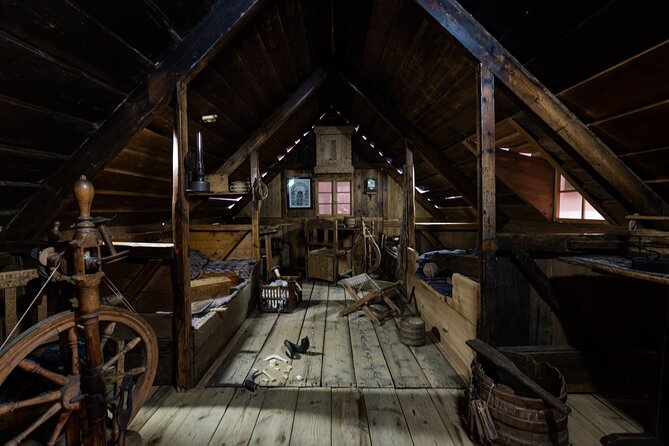
Review · MUSEUMS
Skip the Line: The National Museum of Iceland Ticket
Iceland’s story is laid out here in a clear march from the first settlers to modern life, with Viking-era objects, religious pieces, clothing, photographs, and everyday artifacts filling in the gaps between the famous sagas. I like the easy-to-follow timeline and the chance to see Iceland as a real society, not just a place of volcanoes and Northern Lights. The main drawback is that the museum’s flow can feel uncertain, and a few visitors have arrived to find unexpected closures.
I also like the quick mobile admission, which saves you from buying a ticket at the door, and the free lockers for coats and backpacks. The ticket costs $24.14, a fair price if you spend two hours with the collection, though it is less compelling if you only want a fast half-hour look.
In This Review
- Key points to know before you go
- Why this museum belongs near the start of your Reykjavik visit
- Following Iceland from first settlers to modern life
- The artifacts that make the visit worthwhile
- Using the mobile ticket and audio material
- How long should you allow?
- Is $24.14 a fair price?
- Comforts that make a difference
- Who will enjoy this museum most?
- A practical plan for your visit
- Should you book the National Museum of Iceland?
- FAQ
- How much does admission cost?
- How long does the visit take?
- What are the opening hours?
- Is the ticket available on a mobile phone?
- Is the Culture House included?
- Can I cancel for a refund?
Key points to know before you go
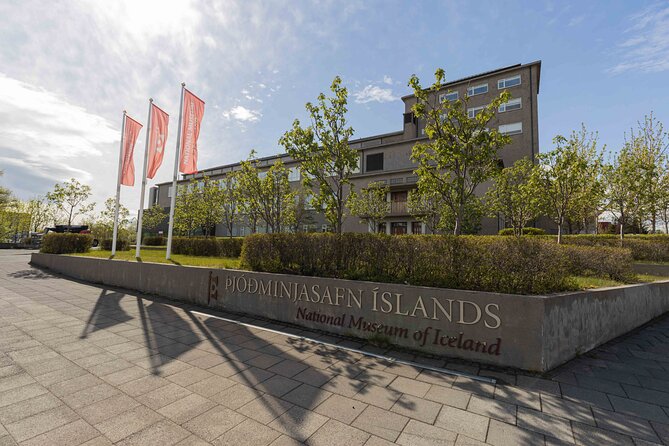
- Iceland’s story runs from early settlement to the present day, with artifacts and displays showing how people lived, worshipped, worked, and adapted.
- The advertised visit lasts about 90 minutes, but you should allow two hours if you want to read the displays and use the audio material.
- Your mobile ticket is delivered at booking, making entry simple and reducing time at the ticket desk.
- Free lockers, Wi-Fi, an audio tour, a café, and a gift shop add useful comforts to a museum visit.
- The old Culture House, now Safnahúsið, can also be visited free of charge, giving you another cultural stop in Reykjavik.
- Check the opening situation before setting out, since at least some ticket holders have encountered a closure despite having booked.
Why this museum belongs near the start of your Reykjavik visit
I like visiting a national museum early in a trip. It gives names and context to everything you see afterward. After an hour or two here, Iceland’s churches, turf traditions, political story, fishing culture, and modern identity make more sense.
The National Museum of Iceland is especially useful if your Iceland plans focus on scenery. Waterfalls and geothermal pools are memorable, but they do not explain how this small island developed. The museum helps you see the human side of the country, from settlement and belief to work, family life, and the move toward modern society.
The displays begin with the early settlers and continue through later periods. You can expect historical objects, religious artifacts, textiles, photographs, and written explanations rather than one narrow collection of Viking pieces. That broad time span is one of the museum’s strengths. You get a connected story instead of a display devoted only to the most famous period.
I would not treat the visit as a quick stop between two major attractions. The building may seem manageable at first, but the information adds up. One hour and 30 minutes is a reasonable minimum, while two hours gives you time to look closely and listen to the audio material.
More museums and exhibitions in Reykjavik:
- Reykjavik: Perlan Museum Wonders of Iceland Entrance Ticket
★ 4.7 · 2,575 reviews - Reykjavík: Hop-On Hop-Off Bus and Perlan Museum Entry Ticket
★ 4.3 · 719 reviews - Reykjavik: Whales of Iceland Museum Entrance Ticket
★ 4.4 · 493 reviews
Following Iceland from first settlers to modern life
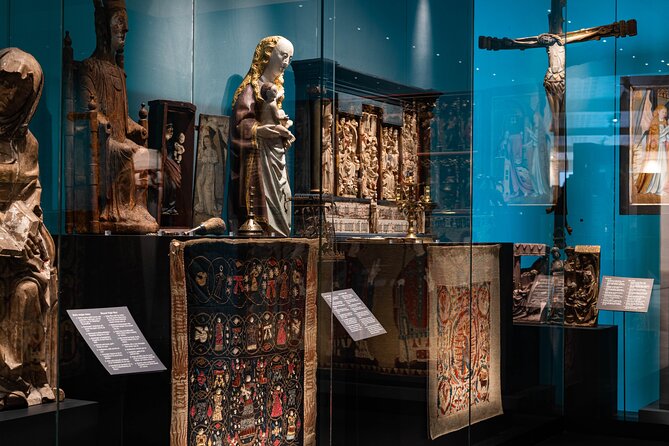
The early part of the collection gives you a starting point for Iceland’s settlement. You will encounter objects connected with the first inhabitants and the way life developed on a remote North Atlantic island. This section is valuable because it puts the country’s later customs into context.
The museum then moves through changing periods of Icelandic life. The exhibits show more than rulers and major events. They also help explain how people lived, what they wore, how they worked, and how religious belief shaped daily life.
The religious collection receives particular attention from visitors who enjoy historic objects. Expect an extensive group of religious artifacts and related information. If your interest is mainly in the centuries before Christianity, you may find that this part of the story receives less attention than you hoped. The museum does cover earlier life, but its treatment is not limited to pre-Christian Iceland.
Textiles and domestic objects add welcome variety. Photographs help carry the story toward the modern period, while everyday artifacts make the past easier to picture. I prefer this mix to a room filled only with rare objects behind glass. It gives you something to compare across the centuries.
The path is not always obvious. You may need to pause and decide which direction to take next, since there is not always a clear floor route. This is a minor nuisance, but it matters if you like a strict chronological order. I suggest checking the dates and labels as you go, rather than assuming the room layout will guide you perfectly.
The artifacts that make the visit worthwhile
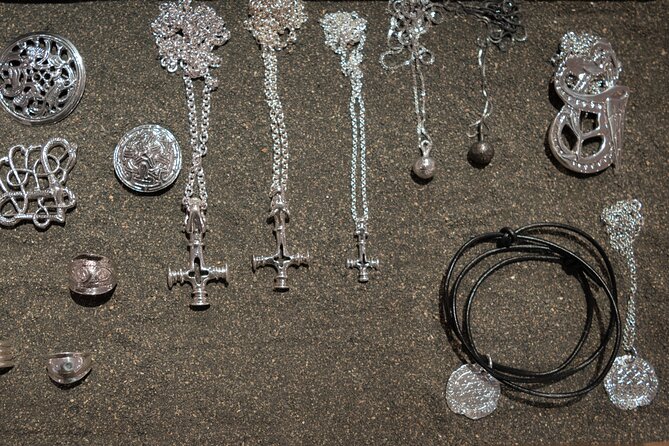
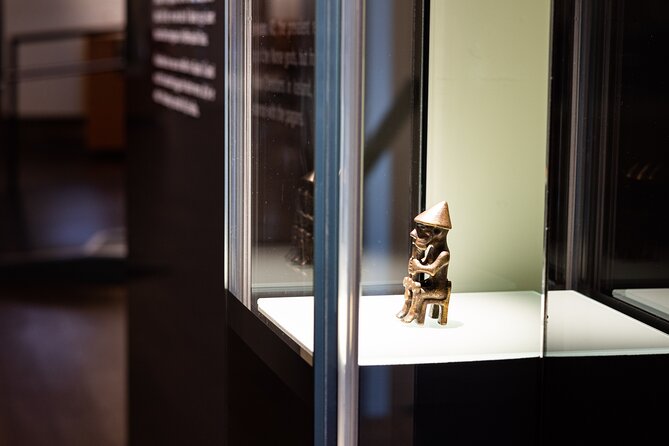
The museum’s appeal comes from the range of objects. You may find Viking-period material, religious pieces, clothing, photographs, and practical items from ordinary life. Together, these displays create a more useful picture of Iceland than a short collection of famous relics could provide.
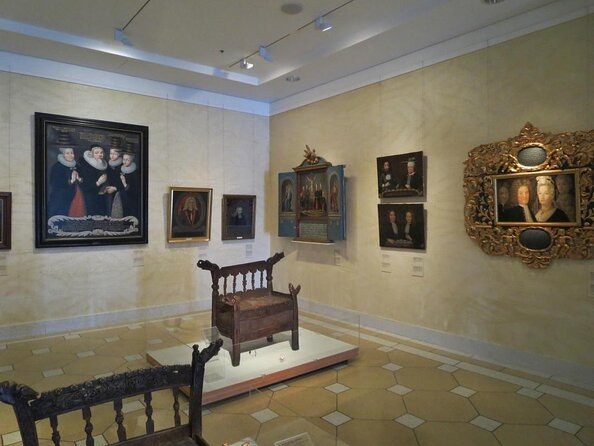
The religious objects are among the strongest areas for anyone interested in medieval Iceland. They show the artistic and spiritual world that followed the settlement era. The exhibits also help you see Christianity as part of a long cultural change rather than as an isolated fact in a history book.
The modern sections prevent the visit from becoming stuck in the distant past. Iceland is presented as a country that changed over time, not a place preserved in saga-era amber. That balance is important, especially if you are visiting with children or with family members who prefer recent history to archaeology.
The museum also makes a good rainy-day plan. You can spend a quiet morning or afternoon indoors, read at your own pace, and then continue elsewhere in Reykjavik. One especially practical use is to visit soon after arriving, before heading farther around the country. You get background first, then recognize the same cultural threads during the rest of your trip.
Using the mobile ticket and audio material
The ticket is designed for straightforward entry. Confirmation arrives when you book, and the ticket is available on your phone. The main benefit is convenience rather than a dramatic saving of time. This is a museum admission, not a guided walk with a named historian, so you should not expect a guide to lead your group from room to room.
An audio tour is available, with free Wi-Fi supporting phone-based use. That option lets you spend more time with the objects that catch your attention. It also helps if you want extra explanation without joining a scheduled tour.
I like having both choices. You can move quickly through familiar material, then stop for audio information when something interests you. Families can also split their pace, although younger children may not want to listen to every explanation.
The ticket information says the activity has a maximum of 10 participants. In practical terms, this is still an independent museum visit rather than a small-group guided experience. You control the pace, route, and amount of time spent at each display.
More Reykjavik departures worth comparing
- Skip the Line: Secret Lagoon Entrance Ticket
★ 4.5 · 346 reviews
How long should you allow?
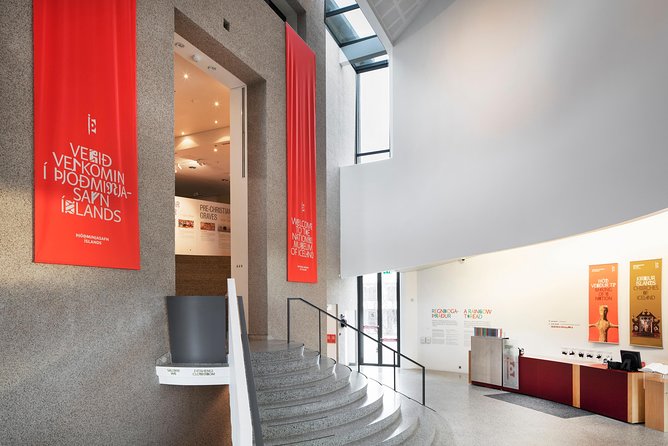
Plan for at least 90 minutes. That covers a purposeful visit through the main story, but it may feel rushed if you read every label or listen to much of the audio material.
For a more satisfying visit, I would allow about two hours. That gives you time to take in the settlement displays, religious objects, textiles, photographs, and modern material without treating the museum like a checklist.
You can spend longer if you enjoy museums and want to absorb the details. The collection may look smaller than expected from the outside, yet the amount of information is substantial. A short visit can work if your schedule is tight, but the admission has better value when you give it room.
The museum is open daily from 10 a.m. to 5 p.m. according to the supplied operating information. A morning visit leaves the rest of the day open, while an early afternoon visit works well before dinner. Since a closure has caused problems for some ticket holders, check the current status before you leave your hotel, especially around holidays or unusual dates.
Is $24.14 a fair price?
At $24.14 per person, the ticket is not the cheapest museum admission in Reykjavik. Its value depends on how you use it.
If you stay for two hours, use the audio material, and take time with the displays, the price is reasonable for a major national collection. The free lockers are useful in a city where you may be carrying coats and day bags, and the café gives you a place to pause without leaving the building.
If you only want to see a few Viking objects, the cost may feel high. The museum’s purpose is broader. You are paying for a full account of Icelandic development, not a single spectacular exhibit.
The free visit to the old home of the Culture House, called Safnahúsið, improves the value. The information provided does not give a full description of its displays, so I would treat it as an extra cultural stop rather than the main reason to buy this ticket. It can be a useful addition if you are already interested in Reykjavik’s museum scene.
Free cancellation is available if you cancel at least 24 hours before the start time. Changes or cancellations made inside that period are not accepted for a refund, and the cut-off follows local Icelandic time.
Comforts that make a difference
Small practical details matter in a museum. Free lockers mean you can put away coats and backpacks instead of carrying them through every room. That is especially welcome when you are dressed for Icelandic weather.
The café provides coffee and a simple break during a longer visit. The gift shop offers souvenirs, which may appeal if you want something tied to Icelandic culture rather than a generic airport purchase.
The museum is near public transportation, and service animals are allowed. Most people can take part without special arrangements. The supplied information does not give detailed accessibility notes for every gallery, so contact the provider if you need specific assistance beyond those points.
Staff have been described as friendly and helpful, which matters when the building layout feels less than obvious. If you are not sure where to begin, ask at the entrance rather than wandering without a plan.
Who will enjoy this museum most?
This is a good choice for you if you want a foundation in Icelandic culture before taking road trips or day excursions. It also suits families, since the story is broad and the objects give children more to look at than a wall of text alone.
History fans will get the most from the visit, especially if you enjoy religious art, Viking-era material, textiles, or the details of ordinary life. The audio tour is helpful if you want more background than the labels provide.
It is also a strong bad-weather option. You can spend a useful morning indoors instead of forcing yourself into a sightseeing plan when the weather turns sour.
You may want to skip it if your schedule allows only a very short stop, or if you are looking solely for pre-Christian Iceland. The museum covers the full national story, and that means some subjects receive less space than a specialist museum might give them.
A practical plan for your visit
Book the mobile ticket before your chosen day, then keep the confirmation accessible on your phone. Because the experience is self-guided, you do not need to coordinate with a guide or arrive for a fixed walking departure.
Aim to arrive with enough time for the full 90-minute visit. If history interests you, add another 30 minutes so the audio material and labels do not turn into a race.
Start with the early settlement displays, then keep an eye on the chronology as you move through the rooms. If the route feels unclear, use the dates and ask staff for a suggested order. Take a break at the café after the main collection, and consider the free Culture House option if you still have time.
Before booking, confirm that the museum will be open on your date. The standard hours are 10 a.m. to 5 p.m. daily, but the record of an unexpected closure is enough reason to check. That simple step can spare you a wasted visit and a refund request.
Should you book the National Museum of Iceland?
I would book it if you want to understand Iceland beyond its scenery and have at least 90 minutes to spare. The collection is broad, the phone ticket is convenient, the free lockers and café make the visit comfortable, and the story reaches from the first settlers to modern Iceland.
I would be more cautious if your interest is limited to Viking objects or if your itinerary leaves no room for a two-hour museum visit. At $24.14, the ticket earns its value through time and attention.
For most first visits to Reykjavik, I see this as a sensible early stop. Check the date and opening status, allow two hours if possible, and use the audio option to turn a simple admission into a fuller introduction to Icelandic life.
FAQ
How much does admission cost?
The ticket costs $24.14 per person.
How long does the visit take?
The stated duration is approximately one hour and 30 minutes. You may want to allow about two hours if you plan to study the displays and use the audio tour.
What are the opening hours?
The supplied opening hours are 10 a.m. to 5 p.m., Monday through Sunday. The operating information covers August 15, 2019, through December 10, 2026.
Is the ticket available on a mobile phone?
Yes. The experience includes a mobile ticket, and confirmation is received at the time of booking.
Is the Culture House included?
You can visit the old home of the Culture House, called Safnahúsið, free of charge.
Can I cancel for a refund?
Yes. You can cancel at least 24 hours before the experience start time for a full refund. Cancellations or changes made less than 24 hours before the start time are not accepted for a refund.
Newest write-ups around Reykjavik
- Private Snæfellsnes National Park★ 5.0 · 3 reviews
- Private South Coast tour with Glacier walk★ 5.0 · 3 reviews
- Exclusive Westman Islands Adventure – A Private Day Tour★ 5.0 · 3 reviews
- Blue lagoon Premium and Private Golden circle tour★ 5.0 · 3 reviews
- Private Superjeep Tour To Landmannalaugar and Hekla Volcano★ 5.0 · 3 reviews
- Private South Coast Tour: A Journey to Iceland’s Stunning Shore★ 4.5 · 3 reviews
- Sólheimajökull Glacier Hiking Tour★ 3.7 · 3 reviews
- Reykjavik: PRIVATE Golden Circle tour with 5 TOP stops★ 5.0 · 3 reviews
Museums, compared.

Perlan Museum Wonders of Iceland Entrance Ticket
Read our review →
Hop-On Hop-Off Bus and Perlan Museum Entry Ticket
Read our review →

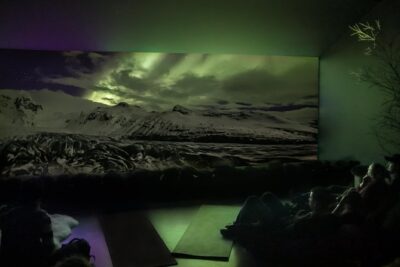
Aurora Reykjavík, The Northern Lights Center Museum Visit
Read our review →
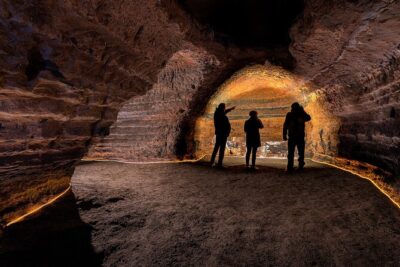
Ancient Historical Site Tour at the Caves of Hella
Read our review →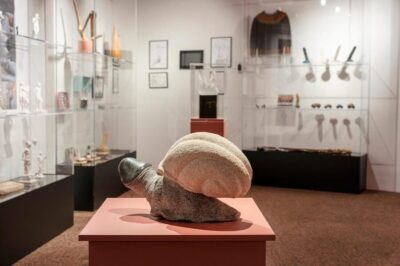
Browse the lists this tour appears in