
Review · BLUE LAGOON & GEOTHERMAL SPAS
Hellisheiði Geothermal Exhibition: Entry and Audio Tour
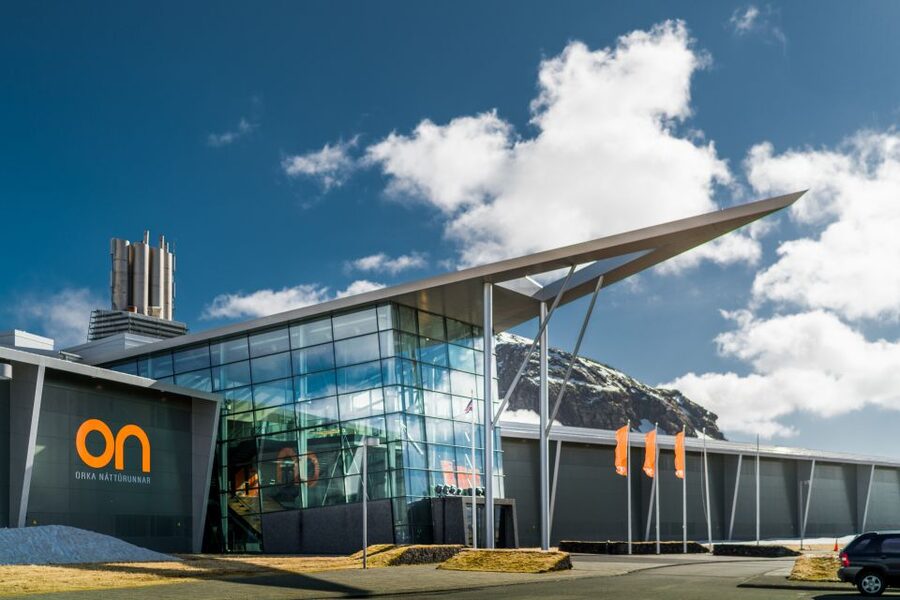
Hellisheiði is not just a display about renewable energy. It sits beside one of Iceland’s working geothermal power plants, where volcanic heat becomes electricity and hot water for communities. I like the hands-on exhibits and the freedom to move at your own pace, especially if you want more time with the films and production displays.
I also like the Carbfix room, which explains how captured carbon dioxide can be stored in rock. The main drawback is simple: this is a self-guided exhibition, not a hardhat tour through the plant. You see and learn a great deal, but you do not get the close-up industrial access some people expect.
In This Review
- Key points to know before you go
- Why Hellisheiði is worth a stop near Reykjavík
- Entering the interactive exhibition
- Start at Stop 9 to understand the machinery
- What the Carbfix room adds
- Films, audio, and viewing platforms
- What you do not get inside the power plant
- How much time and money should you plan?
- Who will enjoy this visit most?
- Practical advice for a smoother visit
- Should you book Hellisheiði Geothermal Exhibition?
- FAQ
- Where is the Hellisheiði Geothermal Exhibition?
- How far is the exhibition from Reykjavík?
- How much does entry cost?
- How long does the visit take?
- Is the tour guided by a person?
- What languages are available?
- Do I need to bring anything?
- Is parking available?
- Is the exhibition wheelchair accessible?
- What are the opening hours?
Key points to know before you go
- Stop 9 explains the whole production process: Start here if geothermal power is new to you.
- The Carbfix room connects energy with climate work: You learn how the plant addresses carbon storage as well as power generation.
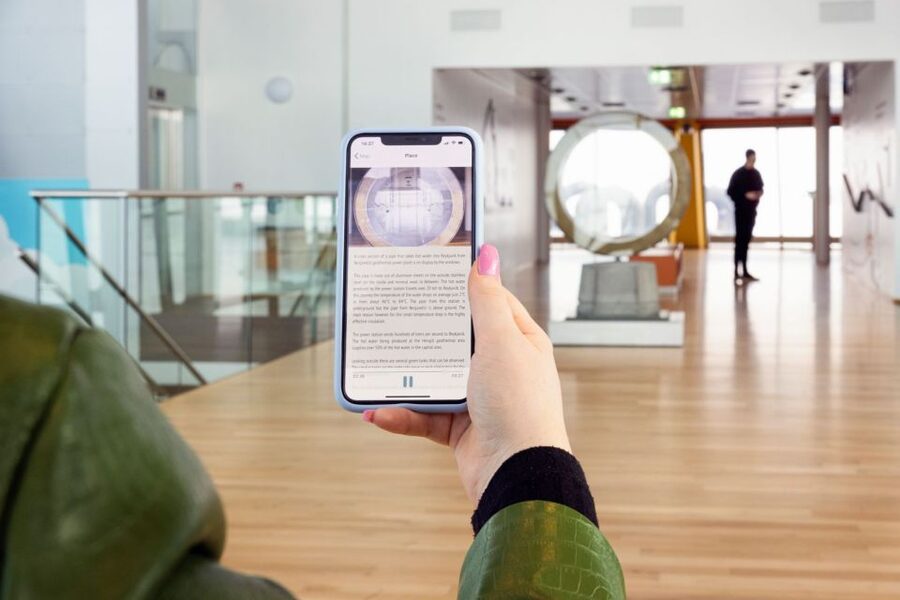
- The audio tour runs on your own phone: Bring headphones and arrive with a charged Android or iOS device.
- The setting is part of the visit: The plant sits beneath Mount Hengill, among lava fields, moss, and mountain scenery.
- You set the pace: Start times are flexible, and you may stay as long as you like after entering during opening hours.
- It works best for curious adults, teens, and older children: Younger children may need help with the more complex science.
Why Hellisheiði is worth a stop near Reykjavík
Iceland’s geothermal energy can seem almost magical from the outside. Hot water appears in homes, steam rises from the ground, and electricity comes from a volcanic region that is still active beneath your feet.
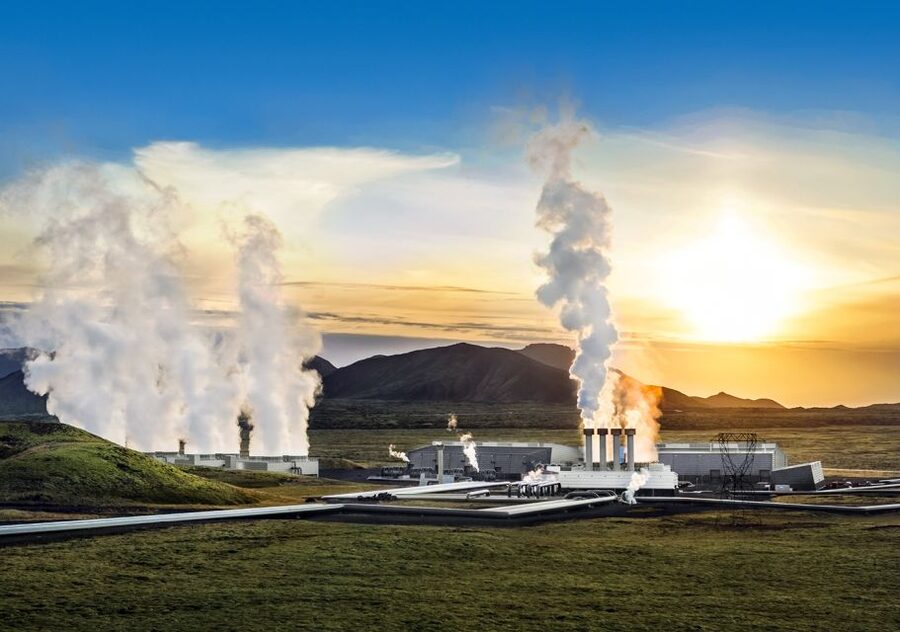
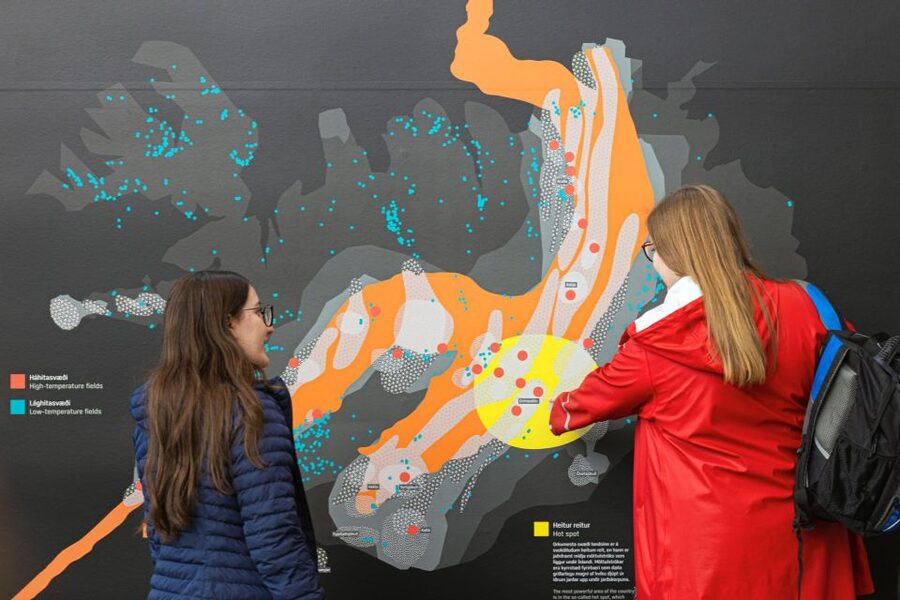
The Hellisheiði Geothermal Exhibition gives you the missing middle. It explains how engineers find underground heat, bring it to the surface, and turn it into useful energy. You are not merely looking at a model or watching a short film. The exhibition is at the Hellisheiði Power Plant, described as the largest single-site geothermal power plant in the world.
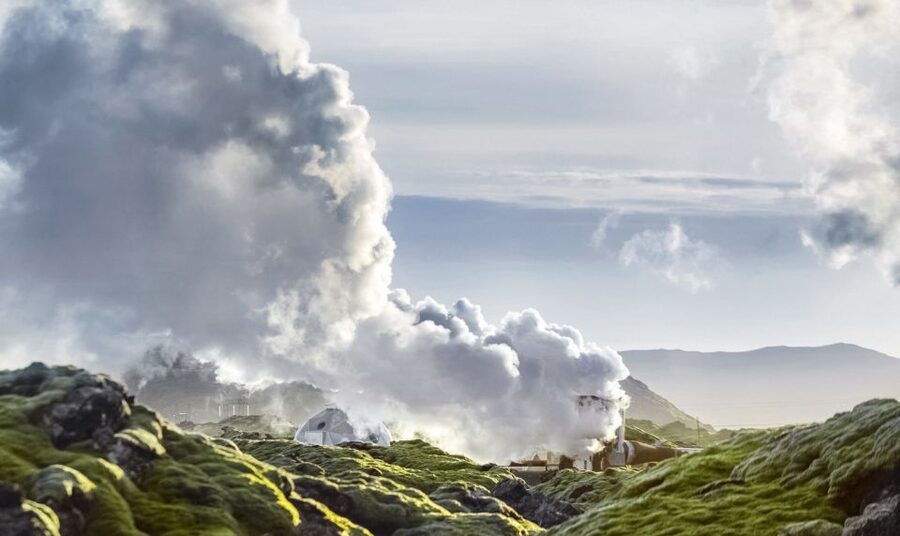
That location gives the visit some weight. You are learning about a working system in the place where the work happens. The plant lies about 20 minutes from Reykjavík, at Hellisheiðarvirkjun near Selfoss, beneath Mount Hengill. Outside, you see lava fields, moss, and mountain scenery. Inside, the displays explain the science and engineering behind Iceland’s energy system.
I would allow about an hour for a focused visit, although your ticket is valid for one day and you can stay as long as you like after entering. Science teachers, engineering fans, and anyone curious about Iceland’s daily life will likely want longer.
More geothermal soaks around Reykjavik:
- Reykjavik: Sky Lagoon Entrance Pass With 7-Step Spa Ritual
★ 4.8 · 6,166 reviews - From Reykjavik: Golden Circle, Kerid, & Secret Lagoon Tour
★ 4.8 · 6,009 reviews - Small-Group Golden Circle, Blue Lagoon with Ticket & Kerid Crater
★ 5.0 · 5,631 reviews
Entering the interactive exhibition
You go directly to the exhibition entrance with your ticket. There is free parking, so this is an easy addition to a driving day from Reykjavík or the southern part of Iceland.
The exhibition is self-guided. You use an audio guide in English or Icelandic on your own Android or iOS phone. Bring headphones, and charge your phone before setting out. That small bit of preparation matters, since the audio commentary is central to the visit.
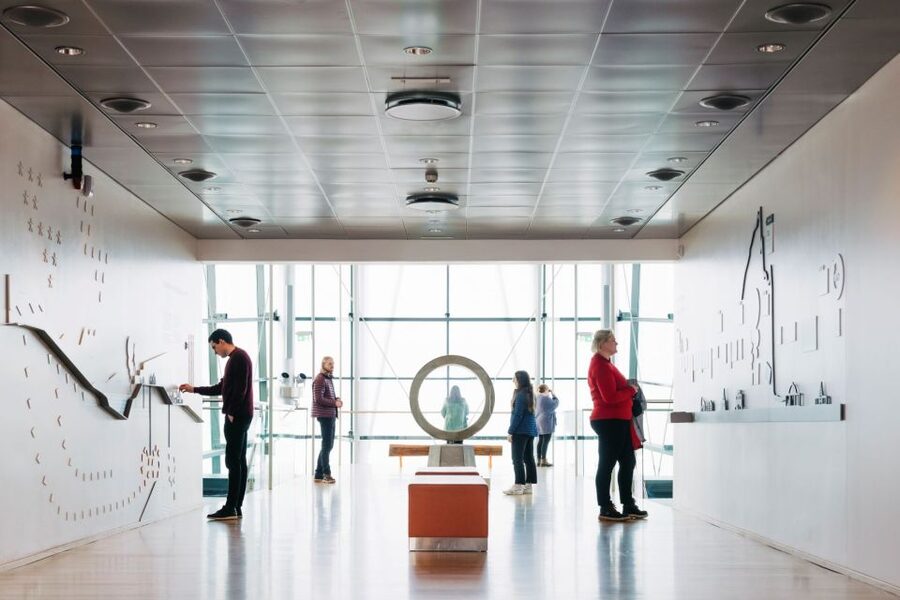
The room is built around interactive displays, films, and explanations of geothermal energy. The style is comfortable rather than demanding. You can pause, replay, and spend extra time at anything that catches your interest.
I like this format because geothermal power is not always easy to picture. A basic explanation can leave you with a vague idea about heat underground and steam above it. The interactive material helps turn that vague idea into a working process.
The only catch is that self-guided audio tours can feel less connected than a person leading you from one point to the next. One visitor found the audio somewhat disjointed, while another wished a staff member had walked through the exhibits in person. If you prefer to ask questions as you go, make a point of speaking with the on-site staff. They are available for questions, and staff member Antonia was singled out for answering questions carefully.
Start at Stop 9 to understand the machinery
If you know little about geothermal power, make Stop 9, Production Process, your first serious stop. It gives you the basic sequence needed to understand the rest of the exhibition.
The production display is useful because it puts the plant’s research, engineering, and cost into perspective. You begin to see geothermal power as an industrial system, not simply a natural gift from Iceland’s volcanic ground.
After Stop 9, the other exhibits make more sense. You can return to displays that explain the resource, the equipment, the plant’s output, and the relationship between underground heat and the energy used above ground.
The exhibition does not replace a full technical course, and the audio guide may not answer every question an energy specialist brings with them. But it explains the process in plain enough terms for someone without a science background. That balance is one of its strongest features.
The films and audio commentary add variety, so you are not reading wall panels the entire time. The interactive elements also help teens and adults stay involved. Younger children may enjoy pressing buttons and watching the presentations, but they may need you to explain why the machinery and climate work matter.
What the Carbfix room adds
The Carbfix room is one of the more important parts of the visit because it widens the subject beyond geothermal electricity. The partnership between the plant and Carbfix focuses on a response to carbon dioxide, climate change, and global warming.
Here, you learn about Carbfix as a solution that works with Iceland’s geology. The point is not only to produce energy with a renewable source. It is also to address the emissions and climate problems tied to energy production.
That makes the exhibition more current than a simple account of how a power plant operates. You get a sense of Iceland’s effort to use local natural resources while working on the environmental questions that come with modern energy systems.
I would give this room proper attention rather than treating it as a quick add-on. If you are visiting with a science-minded child or teenager, it offers a good starting point for a discussion about energy, carbon, geology, and the limits of any single environmental solution.
The exhibition presents Carbfix as one of the leading solutions to the climate crisis and global warming. It is best to approach the section as an explanation of the partnership and its purpose, not as a promise that one technology solves every climate problem.
More museums and exhibitions in Reykjavik:
- Reykjavik: Perlan Museum Wonders of Iceland Entrance Ticket
★ 4.7 · 2,575 reviews - Reykjavík: Hop-On Hop-Off Bus and Perlan Museum Entry Ticket
★ 4.3 · 719 reviews - Reykjavik: Whales of Iceland Museum Entrance Ticket
★ 4.4 · 493 reviews - Reykjavík: National Museum of Iceland Entry Ticket
★ 4.4 · 432 reviews
Films, audio, and viewing platforms
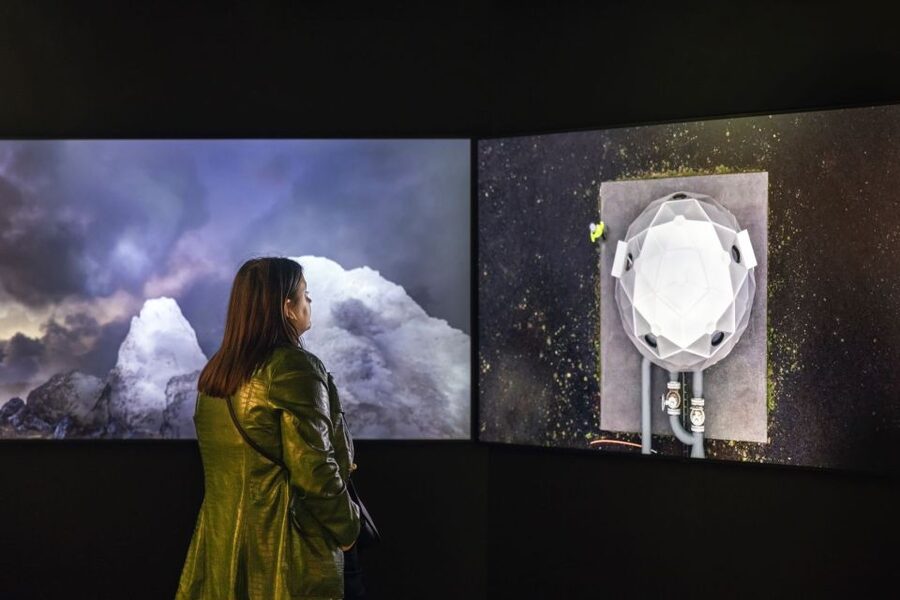
The audio guide provides the basic thread through the exhibition, while films and interactive material give you different ways to take in the information. You can listen carefully at each point, then move on when you feel ready.
I appreciate the lack of a fixed group schedule. There is no rush to keep up with a guide or a busload of people. You can pause an audio segment, revisit a display, or spend more time on the technical parts.
The viewing platforms are another worthwhile feature. They let you look out toward the Icelandic surroundings from inside the exhibition. The views help connect the displays to the setting: lava fields, moss, and the mountains around Mount Hengill.
This is not an outdoor hiking tour, so the scenery is a bonus rather than the main event. Still, it helps break up the indoor material and gives you a better sense of where the plant sits. On a clear day, take a moment at the platforms instead of treating the exhibition as a quick indoor stop.
The audio is available in English and Icelandic. The host or greeter languages are also English and Icelandic. If you need more detail than the app provides, ask the staff. The format is independent, but you are not entirely on your own.
What you do not get inside the power plant
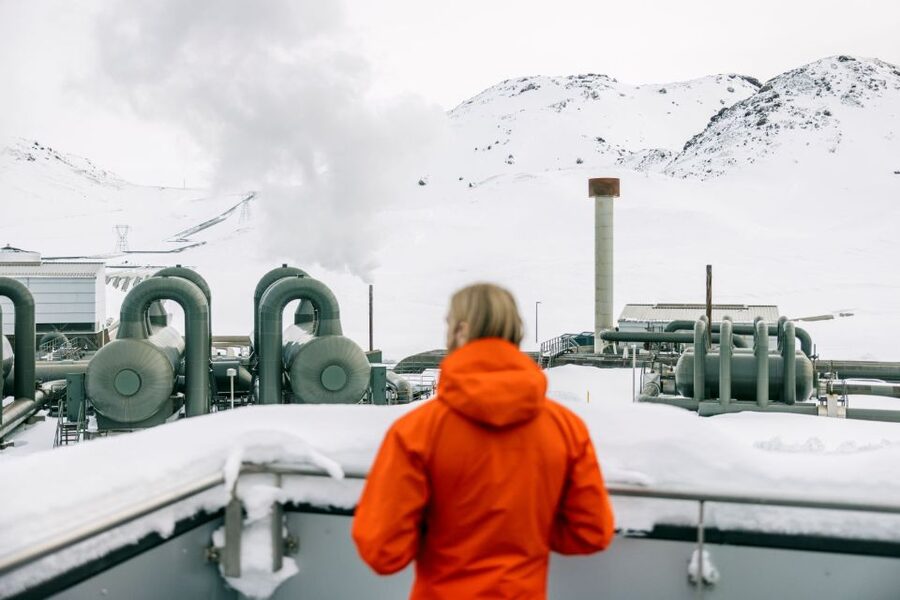
Set your expectations correctly. The ticket covers entrance to the Geothermal Exhibition, not a guided walk through every operating area of the power plant.
You should not expect a hardhat, safety vest, or a staff-led tour through the plant’s massive equipment. One visitor specifically hoped for that kind of access and found its absence disappointing. That is a fair point, especially because the setting can make you imagine a more hands-on industrial visit.
Instead, you learn about the plant through the exhibition, films, audio, and viewing areas. The advantage is that this format is easy, flexible, and suitable for a broad age range. The disadvantage is that you do not get the sound, scale, or close viewing that comes with entering a working industrial space.
For most people, the exhibition provides enough context to make the power plant meaningful. If your main goal is to stand beside turbines, pipes, or drilling equipment with a guide, this may not satisfy you. If your goal is to understand how geothermal energy is produced, the exhibition is a much safer and more accessible way to do it.
How much time and money should you plan?
Admission costs $21 per person. I consider that a reasonable price for an indoor educational stop near Reykjavík, especially since parking is free and the ticket does not force you into a short time slot.
You are paying for more than a set of information panels. The visit includes the interactive exhibition, audio guide access, films, the Carbfix section, and viewing platforms. It also gives you a useful way to understand something you will see and use throughout Iceland: geothermal energy.
The value depends on your interests. For a science teacher, engineer, student, or environmentally curious visitor, $21 is easy to justify. One science teacher found the material useful enough to share with students, particularly because the interactive displays made the subject easier to explain.
For a child who is too young to follow the process, the price may feel less worthwhile unless an adult provides extra guidance. A companion who has no interest in science or energy may also finish quickly, though the self-paced format means that person does not have to wait through a fixed presentation.
Opening hours change with the season:
- November 1 through March 31: 9 a.m. to 4 p.m.
- April 1 through October 31: 9 a.m. to 5 p.m.
Your start time is flexible within those hours, and you can remain after entry for as long as you like. The activity is valid for one day. It is wheelchair accessible, and food and drinks are available to purchase on-site, though they are not included in the admission price.
Who will enjoy this visit most?

I would recommend Hellisheiði most strongly to adults and teenagers who like science, technology, environmental questions, or the practical side of Icelandic life. You do not need a technical background. The displays are designed to explain the process clearly, and you can choose how much detail to absorb.
It is also a good stop for families, with one qualification: younger children may need help with the complex parts. The interactive sections and films can hold their attention, but the ideas behind geothermal production and carbon storage are not always self-explanatory.
The exhibition suits an independent schedule. You can stop for an hour, stay longer, or fit it around a drive through the southern region. It is particularly useful on a day when rain, wind, or changing conditions make a fully outdoor plan less appealing.
I would not make it the main reason for a visitor who wants only dramatic scenery. The mountain setting is attractive, but this is primarily an educational stop. Nor would I choose it for anyone expecting a guided plant tour with protective gear and close access to industrial machinery.
Practical advice for a smoother visit
Charge your phone before you arrive, and bring headphones. The audio guide is included, but your equipment is not.
Begin with the production process at Stop 9 if you are unfamiliar with geothermal energy. That one choice can make the rest of the exhibition easier to follow.
Give yourself enough time for the Carbfix room and the films. It is easy to rush through an exhibition when you are fitting it between larger attractions, but the climate section is part of what makes this visit more than a basic power plant display.
Ask the reception staff questions. You are not joining a guided tour, but staff are available, and a question from you may fill the gap left by a self-guided format.
Finally, look outside before leaving. The lava fields, moss, and Mount Hengill surroundings show why this location matters. You are not just learning about geothermal energy in an abstract museum room. You are seeing the setting that makes the system possible.
Should you book Hellisheiði Geothermal Exhibition?
Book it if you want a clear, self-paced explanation of how Iceland uses geothermal heat and how that work connects with carbon storage. The $21 admission is fair, the location is close to Reykjavík, and the visit works well for adults, teens, families with guidance, and anyone interested in renewable energy.
Skip it if you need a live guide, a plant-floor visit, or a strongly scenic attraction. The exhibition is polished and informative, but it remains an indoor, self-guided learning experience.
For the best visit, bring a charged phone and headphones, start with Stop 9, spend time in the Carbfix room, and ask the staff questions when the audio guide leaves you wanting more.
FAQ
Where is the Hellisheiði Geothermal Exhibition?
The exhibition is at Hellisheiðarvirkjun, 801 Selfoss, Iceland, beneath Mount Hengill in Iceland’s Southern Region.
How far is the exhibition from Reykjavík?
The Hellisheiði Power Plant is located roughly 20 minutes outside Reykjavík.
How much does entry cost?
The listed price is $21 per person.
How long does the visit take?
You can complete a focused visit in about an hour, but the ticket is valid for one day and you may stay as long as you like after entering during opening hours.
Is the tour guided by a person?
No. The visit is self-guided, with an audio tour available on Android and iOS. On-site staff can answer questions.
What languages are available?
The audio guide is available in English and Icelandic. Host or greeter support is also listed in English and Icelandic.
Do I need to bring anything?
Bring headphones and a charged smartphone for the audio guide.
Is parking available?
Yes. Free parking is included.
Is the exhibition wheelchair accessible?
Yes, the activity is wheelchair accessible.
What are the opening hours?
From November 1 through March 31, hours are 9 a.m. to 4 p.m. From April 1 through October 31, hours are 9 a.m. to 5 p.m.
More Audio Tours in Reykjavik
- Icelands Reykjavik Self Guided Walking Audio Tour
★ 5.0 · 6 reviews - Snaefellsnes Peninsula Self-Guided Driving Audio Tour
★ 5.0 · 5 reviews
More Self-Guided Tours in Reykjavik
- South Coast Iceland from Reykjavik with Guide & Touchscreen Audio
★ 4.5 · 330 reviews - Reykjavik Main Sights and Hidden Spots: A Self-Guided Audio Walk
★ 4.5 · 39 reviews - Iceland’s Golden Circle Self-Guided Audio Driving Tour
★ 4.5 · 38 reviews - Reykjavik Scavenger Hunt and Highlights Self Guided Audio Tour
★ 4.5 · 8 reviews
Newest write-ups around Reykjavik
- Private Snæfellsnes National Park★ 5.0 · 3 reviews
- Private South Coast tour with Glacier walk★ 5.0 · 3 reviews
- Exclusive Westman Islands Adventure – A Private Day Tour★ 5.0 · 3 reviews
- Blue lagoon Premium and Private Golden circle tour★ 5.0 · 3 reviews
- Private Superjeep Tour To Landmannalaugar and Hekla Volcano★ 5.0 · 3 reviews
- Private South Coast Tour: A Journey to Iceland’s Stunning Shore★ 4.5 · 3 reviews
- Reykjavik: PRIVATE Golden Circle tour with 5 TOP stops★ 5.0 · 3 reviews
- Sólheimajökull Glacier Hiking Tour★ 3.7 · 3 reviews
Blue Lagoon & Geothermal Spas, compared.

Sky Lagoon Entrance Pass With 7-Step Spa Ritual
Read our review →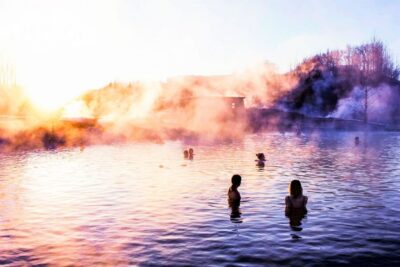
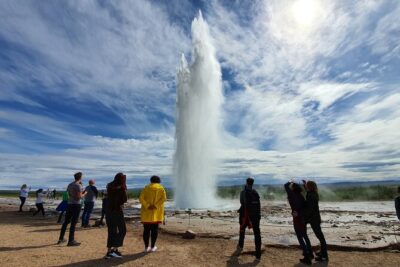
Small-Group Golden Circle, Blue Lagoon with Ticket & Kerid Crater
Read our review →
Blue Lagoon: Admission Package with Drink, Towel, and Mask
Read our review →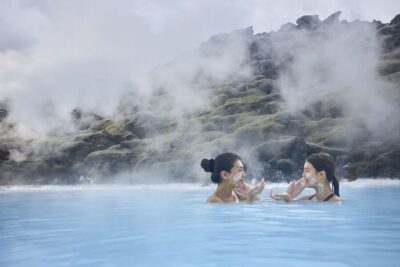
Golden Circle, Kerid Crater, & Blue Lagoon Tour
Read our review →

Sky Lagoon Entrance Ticket Including 7-Step Ritual
Read our review →Browse the lists this tour appears in