
Review · NORTHERN LIGHTS TOURS
Reykjavik: Aurora Reykjavik The Northern Lights Center Entry
Aurora Reykjavík gives you a smart indoor way to understand Iceland’s Northern Lights, even when clouds, summer daylight, or bad luck keep the real show out of reach. The visit moves from Arctic folklore and solar science to a 30-minute film, a 360° virtual reality experience, and a photo simulator.
I like the clear photography advice and the chance to ask the staff practical questions. I also like the cinema, where you can sit quietly and watch strong Aurora displays from around Iceland without freezing in the dark. The main drawback is simple: this is a museum experience, not a substitute for seeing the lights overhead in nature, and the displays may feel brief for the $33 admission.
In This Review
- Key points to know before you go
- Why Aurora Reykjavík is worth your time
- Starting with Arctic stories and Aurora science
- The 30-minute film in the cinema room
- The 360° VR experience
- Practicing Aurora photography
- Getting help from the staff and audio content
- Location in the Grandi Harbour District
- What the $33 admission includes
- Who should book Aurora Reykjavík?
- Should you book it?
- FAQ
- Where is Aurora Reykjavík located?
- What does the admission include?
- Are headphones included for the audioguide?
- Is the center suitable for children and wheelchair users?
- What languages are available?
- Can I cancel my booking?
Key points to know before you go
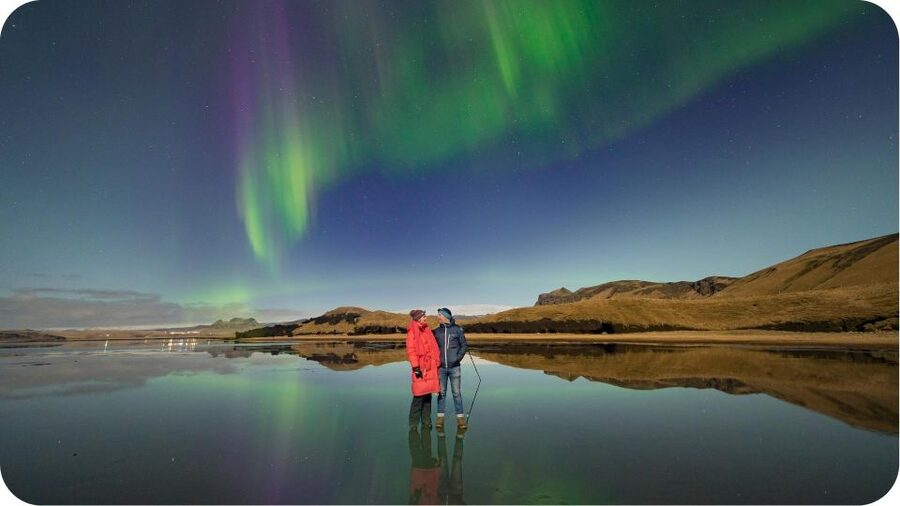
- The 30-minute 4K film is the main visual event, showing changing Aurora displays across Iceland in a warm cinema room.
- The 360° VR movie is easy to miss, so look for the headsets rather than assuming the large-screen film is the VR experience.
- The photo simulator gives useful camera practice, especially for learning how to frame and photograph the Aurora.
- The science and folklore exhibits suit all ages, with guidebooks in 13 languages and audioguides in seven languages.
- The Grandi Harbour District location is convenient, with public bus line 14 and free parking nearby.
- The center works best as preparation or a weather backup, not as your only Northern Lights activity.
Why Aurora Reykjavík is worth your time
Northern Lights hunting can be a cold exercise in patience. You may spend hours outside, drive away from Reykjavík, and see nothing because the sky is cloudy or the Aurora is too weak. Aurora Reykjavík cannot fix that problem, but it can make the phenomenon easier to understand and give you something worthwhile to do when nature refuses to cooperate.
I see this center as part museum, part short film theater, and part practical classroom. It explains what causes the Aurora, shows how different colors and shapes appear, and gives you basic advice for planning an outdoor search. That makes it useful before a Northern Lights tour, but also useful after a missed sighting.
The admission costs $33 per person. That is not a small amount for a visit that may take only part of a day, so your enjoyment depends on what you want. If you need a guaranteed indoor visual experience and enjoy science exhibits, film, and photography practice, the price can make sense. If you only want to see the lights themselves, save your money for an outdoor tour and treat this as optional.
The center is open all year, which matters in Iceland. During the darker months, you can visit before heading outside to hunt. During summer, when the midnight sun makes real Aurora viewing impossible or unlikely, the center still gives you a way to learn about the phenomenon.
More northern lights hunts leaving Reykjavik:
- Iceland: Northern Lights Bus Tour from Reykjavik
★ 4.1 · 11,161 reviews - Small-Group Premium Northern Lights Tour from Reykjavik
★ 4.4 · 2,977 reviews - #1 Northern Lights Tour In Iceland from Reykjavik with PRO photos
★ 4.5 · 2,887 reviews
Starting with Arctic stories and Aurora science
The first part of the visit looks at Northern Lights folklore and mythology from Arctic cultures. This gives the Aurora a human setting before the exhibition explains the physics. For centuries, people saw these moving lights without knowing about solar activity, charged particles, or Earth’s atmosphere. Their stories reflect wonder, fear, and attempts to explain a strange sky.
I like this order. A purely scientific display can feel dry, while folklore alone can leave you with a pretty but incomplete picture. Here, the cultural material helps you see why the Aurora mattered to people long before it became a reason for visitors to book winter trips to Iceland.
The science section then follows the action from the Sun to the atmosphere. You learn how activity on the Sun sends particles toward Earth and how those particles interact with gases high above us. The exhibition also covers the different shapes and colors of the Aurora and explains how they may look to the naked eye.
That last point is useful. Photos often show stronger greens, purples, and reds than your eyes can see in real time. Understanding the difference helps you set realistic expectations. A faint gray-green glow may still be a genuine Northern Lights display, even if it does not look like a saturated photograph on a souvenir postcard.
The displays use multimedia elements, pictures, and descriptions rather than asking you to read a long block of technical text. Guidebooks are available in Chinese, Czech, Dutch, French, German, Italian, Japanese, Polish, Portuguese, Russian, and Spanish, in addition to English. That makes the museum easier to use for international visitors.
The 30-minute film in the cinema room
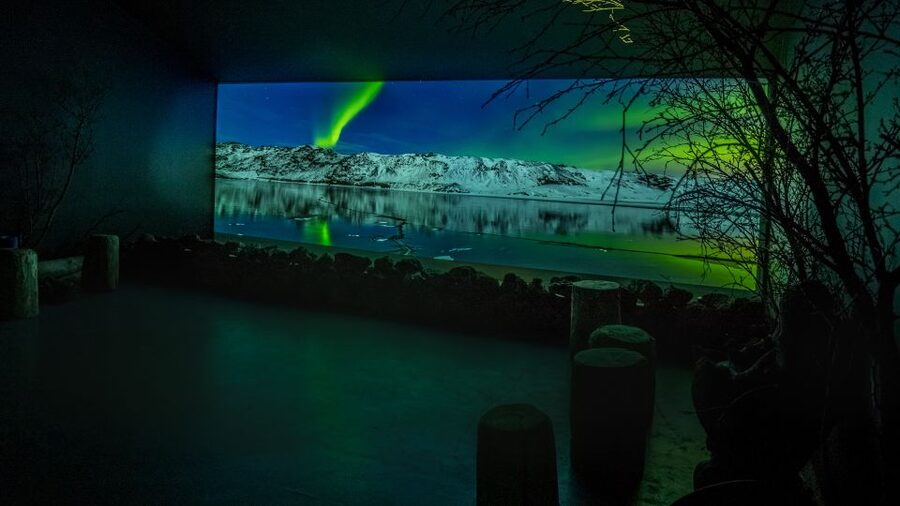
The cinema is the calm center of the visit. You sit in a cozy room and watch a 30-minute 4K time-lapse film showing Aurora displays from around Iceland. The film lets you see a sequence of shapes and movements that would be difficult to catch during one short outdoor outing.
This is where the center can help after a disappointing Northern Lights tour. One visitor arrived after a real Aurora trip had been canceled and found that the film nearly made up for the lost evening. That is a fair description of the film’s role. It gives you the spectacle without the wind, wet ground, late-night drive, or uncertainty.
Still, keep the comparison honest. A film is not the same as standing beneath a live sky. You do not get the silence of the countryside, the changing brightness above you, or the thrill of realizing that the display is happening right now. The theater offers comfort and visual quality, while nature offers the real event.
The cinema also depends on the room staying quiet. If people talk during the film, the relaxing effect can fade. Staff presence appears to vary, and one account described an employee watching something else while the film played. That does not change the film itself, but it suggests you should not expect a guided presentation every minute of your visit.
The 360° VR experience
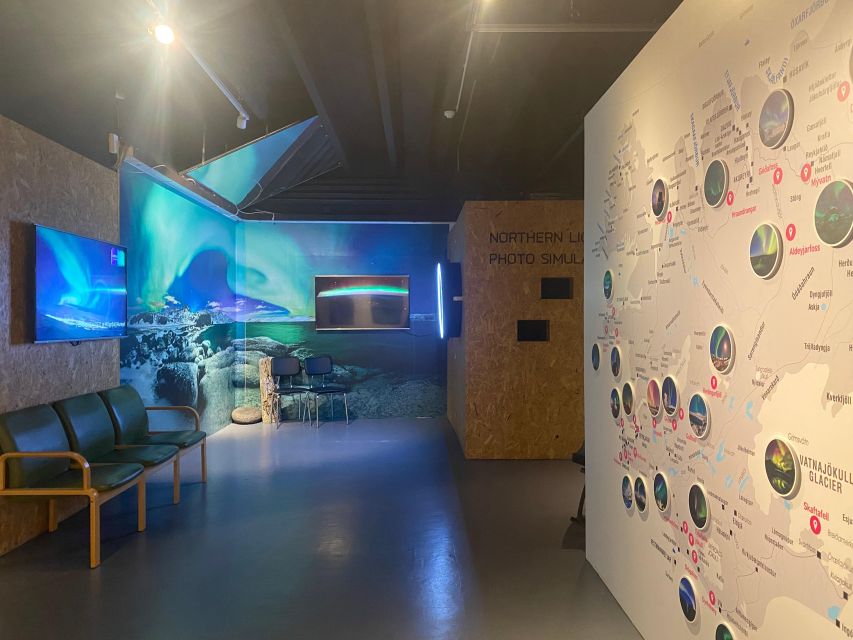
The 360° virtual reality film is one of the center’s most distinctive features. You put on a headset and look around an Icelandic night sky while the Aurora moves above you. The aim is to recreate the feeling of being outside, while keeping you indoors and warm.
For visitors who missed the real lights, this is likely the most satisfying part. One visitor described it as the closest indoor option to viewing the actual Aurora. That may sound generous, but the format does solve a real problem: you can look around the full sky instead of watching a flat screen.
Pay attention to how the equipment is presented. The headsets may hang on the wall without much explanation, and it is possible to mistake the large-screen film for the experience advertised as 360° VR. If nobody points it out, ask a staff member where the VR station is and how to operate it.
The VR section also shows why a little staff guidance would help. A short explanation about how to look around, start the film, and adjust the headset would make the experience easier for first-time users. Do not assume the first screen you see is the only major visual feature.
The VR film is not a live feed and does not predict the weather or your chances of seeing the Aurora outside. Think of it as a visual demonstration, with a stronger sense of space than a standard movie.
Different weather plan, same pickup point:
- Reykjavik: Golden Circle Full-Day Tour with Kerid Crater
★ 4.8 · 24,485 reviews - Reykjavik Food Walk – Local Foodie Adventure in Iceland
★ 5.0 · 18,952 reviews - Reykjavík: South Coast Waterfalls, Black Sand & Glacier Tour
★ 4.8 · 11,030 reviews - Reykjavík: Whale Watching and Marine Life Cruise
★ 4.6 · 9,838 reviews
Practicing Aurora photography
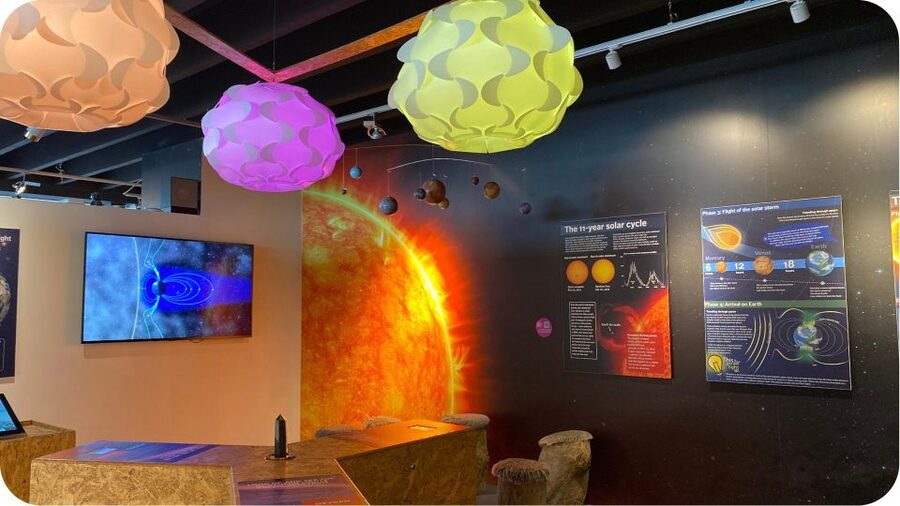
The photo simulator is more useful than it may sound. Photographing the Northern Lights is not the same as pointing your phone at a bright object and pressing the shutter. You need to think about exposure, focus, framing, and keeping the camera steady. The simulator lets you practice before you are outside in the cold.
The center also shares tips for taking Aurora photographs. That advice can prevent a common disappointment: seeing a beautiful display overhead but ending up with a blurry, dark, or empty image. I especially like this feature because it turns the visit into preparation for a real Icelandic night rather than passive screen time.
You can use the simulator for fun, too. One visitor called it a lovely idea after a canceled outdoor tour. It gives you a small activity to try between the film and VR, and it may help you understand why camera images often look more dramatic than what your eyes see.
Do not expect the simulator to replace detailed instruction from a professional photographer. The information provided is practical rather than a full photography course. Still, a few minutes of practice can be worthwhile if you plan to join an outdoor hunt or use a camera for the first time in low light.
Getting help from the staff and audio content
The team is available to answer questions about the Aurora. This is valuable because the exhibits may explain the basic process, while your own question is often more practical: how strong does the activity need to be, what colors might appear, or why did the sky look different from a photograph?
The host language is English, but the written and audio support is broader. QR-based audioguides are available in English, Cantonese, French, German, Italian, Mandarin, and Spanish. You need headphones, and earphones can be purchased for an additional 7 EUR per person.
Bring your own headphones if you plan to use the QR audio. That small detail can save you an extra charge and makes it easier to listen at your own pace. Guidebooks are included, but a separate Northern Lights souvenir guidebook costs 14 EUR per person in English, Spanish, German, French, Italian, Czech, Dutch, or Chinese.
The QR content is optional. I would not build your whole visit around it, since the main exhibits, film, VR, and simulator carry most of the experience. Use it if you want extra detail or need support in one of the available languages.
Location in the Grandi Harbour District
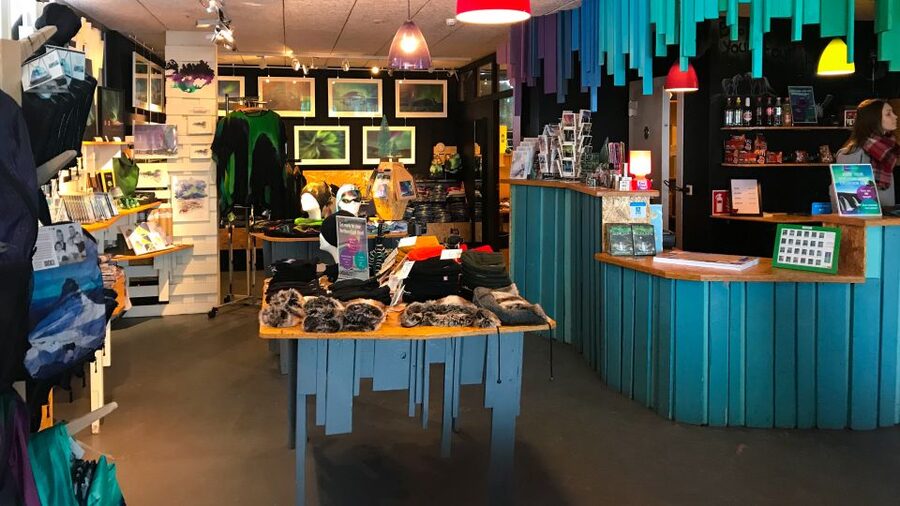
Aurora Reykjavík is at Fiskislóð 53 in the Grandi Harbour District, close to central Reykjavík. Public bus line 14 serves the area, and free parking is available. That makes it an easier stop than an attraction far outside the city, particularly if you are fitting it around a harbor walk or another activity in the district.
Check the current opening hours before setting out. The center advises visitors to use its website for the latest schedule, and the admission is valid for one day rather than being tied to a long guided outing.
You do not need to set aside an entire day in the usual sightseeing sense. The ticket is described as valid for one day, but the center itself is a compact indoor attraction. Your visit might be fairly short if you move quickly, or longer if you read the displays, use the audio content, sit through the full film, try the simulator, and spend time with the VR.
That flexible pace is helpful for families. The center is suitable for all ages and wheelchair accessible. Children can focus on the moving images and VR, while adults may spend more time on the solar science and camera advice.
What the $33 admission includes
Your ticket includes entrance to the center, the 360° VR film, the 30-minute Northern Lights movie, the photo simulator, guidebooks in 13 languages, and QR audioguides in seven languages. Those inclusions make the price easier to justify than an admission that covers only a basic display.
The value is strongest in three situations:
- You have limited time in Iceland and want a clear introduction to the Aurora.
- Your outdoor Northern Lights outing is canceled or produces no sighting.
- You enjoy photography and want practical advice before heading outside.
The value is weaker if you already understand the science, have seen a strong live display, and mainly want another quick film. The standard movie alone probably would not justify $33 for me. The combination of the exhibition, VR, photography simulator, and staff questions is what gives the ticket its weight.
Extra costs are easy to avoid. Hot drinks at the café cost 4 EUR, earphones cost 7 EUR, and the optional souvenir guidebook costs 14 EUR. You can simply bring headphones and skip the paid guidebook if you do not want more to carry.
Who should book Aurora Reykjavík?
I would recommend it to first-time Iceland visitors who want to understand what they are hoping to see. It is also a good choice for families, photographers, and anyone who wants a warm indoor plan during uncertain weather.
It is especially helpful if your trip includes a Northern Lights tour. Visit before the tour to learn what to look for and how to use your camera. Visit afterward if the sky stayed cloudy or the Aurora did not appear. In either case, you will have more context for the outdoor experience.
I would be more cautious about booking it as your only Northern Lights activity. The center can show you excellent recorded displays and a convincing VR version, but it cannot provide the unpredictability and scale of a live sky. Treat it as a supplement, not a guarantee.
The staff generally receive praise for being friendly and helpful, though the level of active explanation may vary. Ask questions directly, and make sure you locate the VR equipment rather than waiting for someone to point it out.
Should you book it?
Book Aurora Reykjavík if you want a practical, weather-proof introduction to the Northern Lights and value more than a single short movie. The photo simulator, 360° VR, and clear science displays make it more useful than a basic museum exhibit.
Skip it if your budget is tight and you are committed to outdoor Aurora hunting, since $33 can go toward another Iceland experience. For many visitors, though, the center is a sensible backup and a good way to turn a missed sighting into a better understanding of what the sky was supposed to show.
FAQ
Where is Aurora Reykjavík located?
Aurora Reykjavík is at Fiskislóð 53, 101 Reykjavík, in the Grandi Harbour District. Public transportation is available on line 14, and free parking is also provided.
What does the admission include?
Admission includes entry to the Northern Lights Center, the 360° virtual reality film, a 30-minute Northern Lights film, the Northern Lights photo simulator, guidebooks in 13 languages, and QR-based audioguides in seven languages.
Are headphones included for the audioguide?
No. You should bring headphones to use the QR-based audioguide. Earphones can also be purchased for 7 EUR per person.
Is the center suitable for children and wheelchair users?
Yes. The experience is suitable for all ages and is wheelchair accessible.
What languages are available?
The host or greeter speaks English. Guidebooks are available in English, Chinese, Czech, Dutch, French, German, Italian, Japanese, Polish, Portuguese, Russian, and Spanish. Audioguides are available in English, Cantonese, French, German, Italian, Mandarin, and Spanish.
Can I cancel my booking?
You can cancel up to 24 hours in advance for a full refund. A reserve-now, pay-later option is also available.
Newest write-ups around Reykjavik
- Private Snæfellsnes National Park★ 5.0 · 3 reviews
- Private South Coast tour with Glacier walk★ 5.0 · 3 reviews
- Exclusive Westman Islands Adventure – A Private Day Tour★ 5.0 · 3 reviews
- Blue lagoon Premium and Private Golden circle tour★ 5.0 · 3 reviews
- Private Superjeep Tour To Landmannalaugar and Hekla Volcano★ 5.0 · 3 reviews
- Private South Coast Tour: A Journey to Iceland’s Stunning Shore★ 4.5 · 3 reviews
- Reykjavik: PRIVATE Golden Circle tour with 5 TOP stops★ 5.0 · 3 reviews
- Sólheimajökull Glacier Hiking Tour★ 3.7 · 3 reviews
Northern Lights Tours, compared.
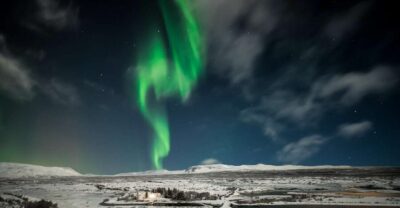
Small-Group Premium Northern Lights Tour from Reykjavik
Read our review →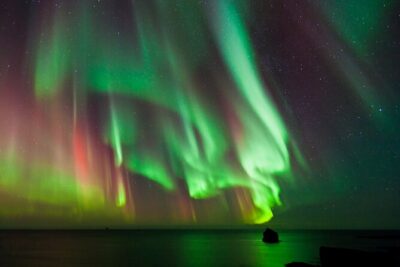
#1 Northern Lights Tour In Iceland from Reykjavik with PRO photos
Read our review →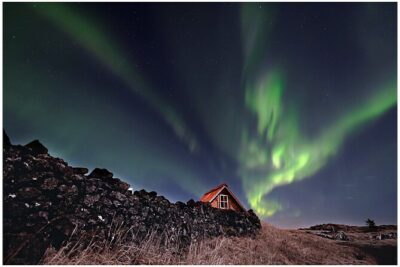
Northern Lights Small-Group Tour with Hot Chocolate & Photos
Read our review →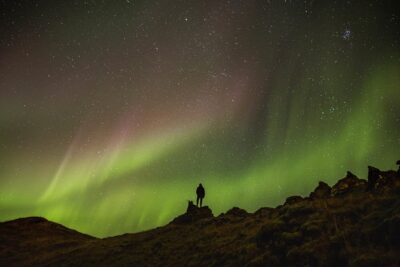
Northern Lights Bus Tour from Reykjavik with Hot Chocolate
Read our review →
Browse the lists this tour appears in