
Review · SóLHEIMAJöKULL GLACIER TOURS
Micro group – Ice climbing at Sólheimajökull
Sólheimajökull ice climbing puts you on Iceland’s moving ice, not just beside it. After a 15-minute walk from the parking area, you gear up and learn how to use ice axes and crampons before climbing through crevasses and moulins. The small group size, capped at four people, makes this feel like hands-on instruction rather than a quick photo stop.
I like the chance to try different levels of climbing during the four-hour outing. I also like that the guide provides the main technical gear and takes time to explain how to move on the ice, which matters when your feet and hands are doing unfamiliar work. The main drawback is practical: boots and clothing are not included, so you must arrive properly dressed and equipped for cold glacier conditions.
In This Review
- Key points at a glance
- Why Sólheimajökull makes a good climbing classroom
- The 15-minute walk from the parking area
- Getting fitted with crampons, axes, and a harness
- Learning the basic movement before you climb
- Finding a crevasse or moulin to climb
- How the small group changes the experience
- Four hours of climbing instead of a quick glacier stop
- What the guide adds to the day
- What to wear and bring from home
- Who should book this ice-climbing tour
- Booking, weather, and cancellation
- Should you book Sólheimajökull ice climbing?
- FAQ
- Where does the ice-climbing activity start and end?
- How long does the activity last?
- How far is the glacier from the parking area?
- What climbing equipment is included?
- Are boots and clothing provided?
- What happens if poor weather cancels the tour?
Key points at a glance
- A real climbing session: You learn basic ice-climbing movement, then practice on crevasses or moulins.
- Very small group: The maximum of four people allows for close instruction and less waiting.
- A short approach: The glacier’s tongue is about a 15-minute walk from the Sólheimajökull parking area.
- Technical gear included: Your package provides crampons, ice axes, a harness, and a climbing belt.
- Flexible climbing locations: The guide can seek out different ice features and difficulty levels during the day.
- Plan for your own clothing and boots: These essentials are not supplied by Hyperborea Tours.
Why Sólheimajökull makes a good climbing classroom
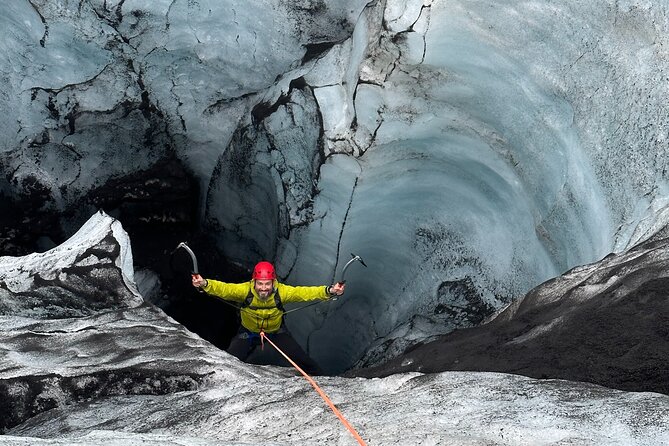
Sólheimajökull is a glacier tongue, an extended section of ice flowing down from a larger ice cap. It offers the kind of broken ice that makes a beginner climbing session interesting: crevasses, moulins, and changing walls of blue-white ice.
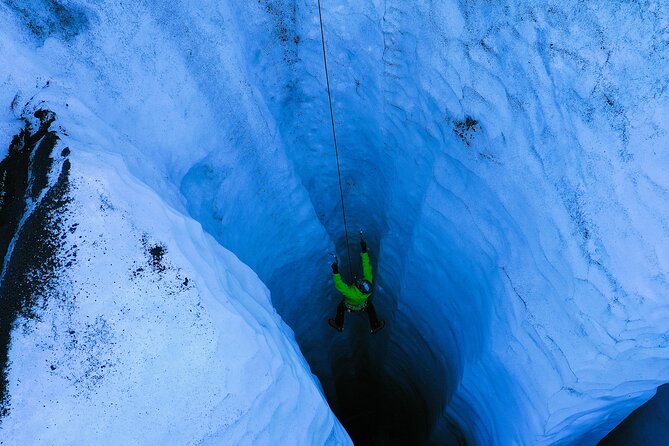
You are not simply walking across a flat sheet of snow. The session is built around finding a suitable ice feature, learning the correct movement, and then trying it yourself. A crevasse can provide a narrow wall or opening for climbing, while a moulin, a shaft or channel formed by meltwater, offers a different shape and challenge.
That variety is important. Ice climbing is not just about pulling yourself upward. You need to place your feet carefully, set the crampon points into the ice, and use the axes with control. The guide explains these techniques before you begin, then helps you apply them on real glacier ice.
The glacier also gives the outing a strong sense of place. You are in southern Iceland, near Vik, working on a natural feature rather than practicing on an artificial climbing wall. The weather and ice conditions shape the session, so no two days need to feel exactly alike.
More Sólheimajökull glacier walks:
- Sólheimajökull: Guided Glacier Hike
★ 4.7 · 1,123 reviews - Sólheimajökull Glacier Hike – Adventure in a Small Group
★ 5.0 · 799 reviews - Solheimajokull Glacier 3-Hour Small-Group Hike
★ 5.0 · 501 reviews
The 15-minute walk from the parking area
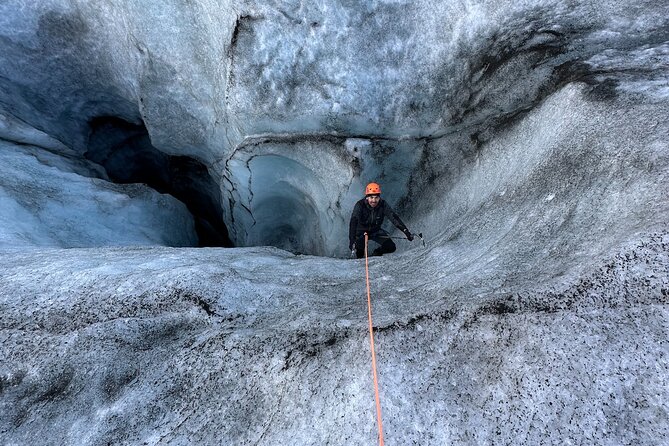
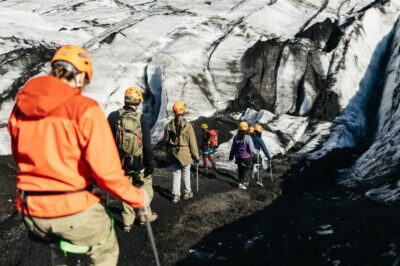
The meeting point is the Sólheimajökull parking area, listed at Sólheimajökull, 871, Iceland. From there, you walk for about 15 minutes to reach the glacier’s tongue.
That approach is short by hiking standards, but it is still part of the outing. You should be comfortable walking over uneven ground while carrying or wearing some of your equipment. The tour requires a moderate level of physical fitness, so it is not designed as a passive sightseeing trip.
Once the group reaches the ice, the guide gives a safety briefing and helps you put on the climbing equipment. This is a useful pause before the physical work begins. You learn what the gear does, how to move safely, and how to handle the ice axes and crampons.
The short approach also keeps the focus on climbing. You are not spending most of the four hours marching across a long trail. The supplied timing allows the session to move from the parking area to instruction and then into hands-on climbing.
Getting fitted with crampons, axes, and a harness
Hyperborea Tours supplies the key climbing gear: a climbing belt, ice axes, a harness, and crampons. These are the items that turn a walk on ice into a controlled climbing activity.
Crampons attach to your boots and give you points that can grip the ice. Ice axes help you pull, balance, and secure yourself as you move. The harness and belt connect to the safety system used during the climbing portion.
Your own boots are still required. Clothing is also your responsibility. That means you need to think ahead about waterproof, warm clothing and footwear that can work with crampons. The supplied information does not specify a rental option for boots or outdoor clothing, so do not assume those items will be available at the meeting point.
This is one of the most important booking details. The price covers the technical equipment, but not your complete outdoor wardrobe. A poorly prepared outfit can make a cold activity much less enjoyable, even when the instruction is strong.
Learning the basic movement before you climb
The guide goes over climbing technique and explains how to move on the ice. That instruction is the heart of the tour. Ice climbing looks simple from a distance, but the correct body position makes a major difference.
You learn to place your feet rather than simply kick at the wall. You also learn how to use the axes in a controlled way, keeping your movements deliberate. On ice, wasted effort can tire you quickly, so good technique is more useful than brute strength.
The guide’s teaching style matters here. The small group lets the instructor watch each person more closely and offer adjustments. With only four people at most, you should have more direct contact with the guide than on a large glacier walk.
The session is meant to be accessible to people with moderate fitness, but that does not mean effortless. You will be working your legs, arms, and core while standing on uneven ice. You should feel ready for a physical half-day, even if you have never climbed before.
Different weather plan, same pickup point:
- Reykjavik: Jokulsarlon Glacier Lagoon Full-Day Guided Trip
★ 4.7 · 3,302 reviews - South Coast Classic: Full-Day Tour from Reykjavik
★ 4.6 · 2,457 reviews - From Vik: Katla Ice Cave and Super Jeep Tour
★ 4.6 · 2,110 reviews - Skaftafell: Ice Cave Tour and Glacier Hike
★ 4.5 · 1,746 reviews
Finding a crevasse or moulin to climb
After the briefing and practice, the group looks for a suitable crevasse or moulin. This gives the day a useful sense of discovery. The guide is not taking you to one fixed wall and repeating the same routine for every group.
The exact feature depends on the conditions and what is suitable that day. The guide can explore different locations during the session, giving you the chance to try more than one type of ice and more than one level of difficulty.
A crevasse may feel enclosed and dramatic, with ice walls rising around you. A moulin can offer a different angle and shape, formed by water moving through the glacier. These features help you see how active and changeable a glacier can be.
The choice of climbing location is also a safety decision. The guide selects an appropriate place rather than promising a particular wall or route. That means the precise climbing sequence is not fixed, but it also allows the activity to respond to the glacier and the weather.
How the small group changes the experience
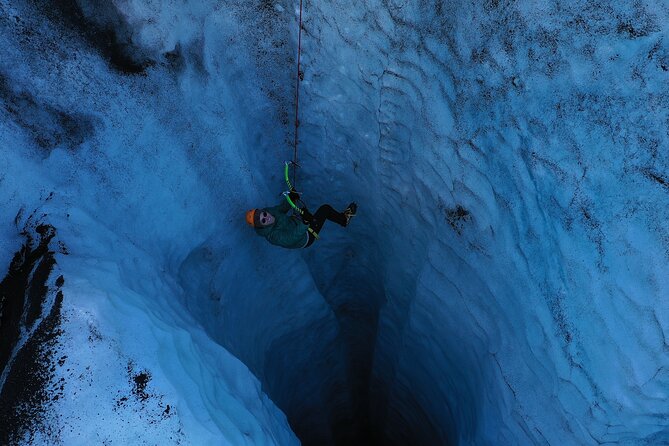
A maximum of four people is one of the clearest advantages of this tour. Ice climbing requires attention from the guide, especially when you are learning where to put your feet, how to swing an axe, and how to manage your body on the wall.
On a larger outing, you might spend more time watching other people climb. Here, the small format should give you more personal instruction and more chances to try the techniques yourself.
It also makes the outing easier to pace. The guide can work with different comfort levels and select ice features that suit the group. One person might be ready for a steeper section, while another may prefer a gentler first attempt. The ability to try different difficulty levels is useful for couples or friends who arrive with unequal climbing experience.
The small group does not remove the physical demands. You still need balance, stamina, and comfort with being on a glacier. It simply gives you a better chance to receive help when you need it.
Four hours of climbing instead of a quick glacier stop
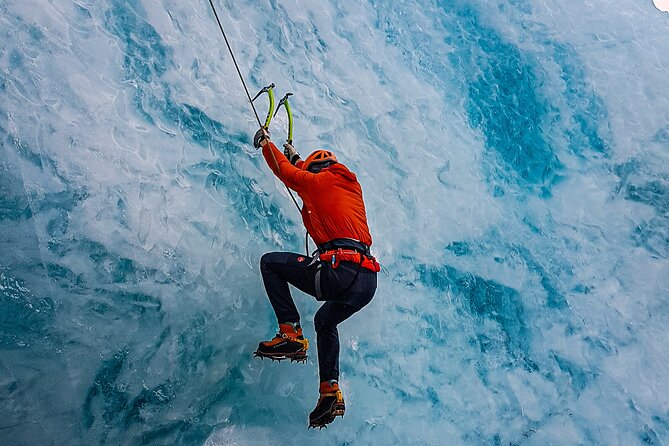
The activity lasts about four hours. That provides enough time for the walk to the glacier, the safety briefing, gear fitting, technique instruction, and climbing practice.
This length is a good match for someone who wants more than a short introduction. You have time to make an early attempt, adjust your technique, and try another location or level if conditions allow. The outing is still short enough to fit into a day of sightseeing around southern Iceland.
The timing also creates a fair value question. At $260 per person, this is not a cheap add-on. You are paying for a guided technical activity, equipment, safety management, and a small group, not just transport to a viewpoint.
I think the price makes more sense if you specifically want to climb. If you mainly want glacier scenery, a less active glacier walk may suit you better. But if you value instruction and actual time on the ice, the four-hour format gives the fee a clear purpose.
What the guide adds to the day
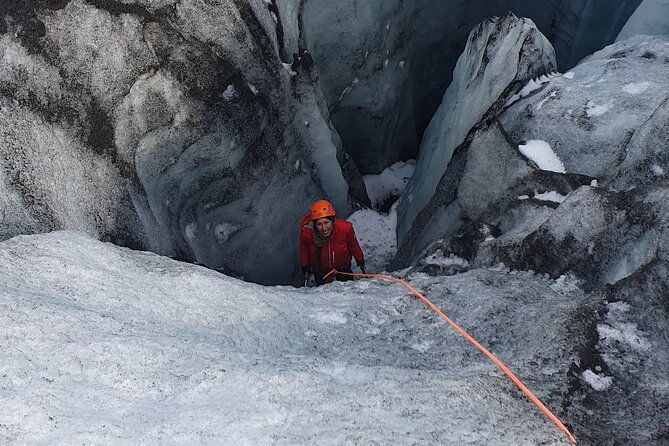
The guide is responsible for more than pointing out the route. You depend on the guide to explain the climbing methods, help with the gear, choose suitable ice, and adjust the session to the conditions.
The guide also shapes the mood. The strongest feedback about this outing focuses on a guide who was accommodating and made the activity fun as well as safe. That combination matters. A technical sport can feel intimidating at first, and a calm instructor can help you focus on learning instead of worrying about every movement.
You should expect clear instruction in English, as English is the language offered for the activity. No guide name is provided in the booking details, so I would not choose this tour based on a particular instructor. Choose it for the small group, the climbing focus, and the structure of the session.
The outing has received a top rating from all ten submitted ratings, with 100 percent recommending it. That is a small sample, but it supports the idea that guide support and the hands-on format are major strengths.
What to wear and bring from home
The supplied equipment is useful, but it does not replace proper clothing. You must provide your own boots and clothing, and those items can make or break a cold-weather activity.
Plan for weather that may change. Waterproof outer layers are important, along with warm layers underneath. Your boots need to be suitable for crampons. The tour information does not give a detailed packing list, so ask Hyperborea Tours before departure if you are unsure about footwear or clothing requirements.
You should also arrive ready for the 15-minute walk from the parking area. The distance is modest, but you will be outdoors from the start of the activity and may be carrying equipment before reaching the glacier.
Do not treat this as a city excursion with a quick stop at the ice. You will be standing, walking, and climbing in a cold environment. Good preparation lets you concentrate on the views and the technique.
Who should book this ice-climbing tour
This outing suits you if you want an active Iceland experience and like the idea of learning a new skill. You do not need to arrive as an experienced climber, since the guide explains the basic techniques and the group can try different difficulty levels.
It is also a good choice for couples or friends who prefer a private-feeling activity without paying for a fully private tour. The four-person limit keeps the group intimate while still allowing you to meet a few other people.
You should think twice if you want a relaxed glacier walk or if you dislike physical activity in cold weather. The moderate fitness requirement is meaningful. The tour involves a walk, gear, standing on ice, and climbing.
It may also be a poor fit if you are not prepared to bring your own boots and outdoor clothing. That is not a minor detail. The technical gear is included, but your personal equipment remains essential.
Booking, weather, and cancellation
The activity is offered in English, uses a mobile ticket, and ends back at the Sólheimajökull meeting point. Confirmation is received when you book, and the outing is generally reserved about eight days ahead of time, so booking early is sensible if your schedule is tight.
You can cancel up to 24 hours before the start time for a full refund. Changes or cancellations made less than 24 hours before the start are not accepted for a refund.
The activity requires suitable weather. If poor weather forces a cancellation, you can choose another date or receive a full refund. That policy is especially relevant for a glacier activity, where conditions can affect both comfort and safety.
Should you book Sólheimajökull ice climbing?
Book it if you want to do something active and specific on a glacier, rather than simply look at one. The small group, hands-on instruction, included technical gear, and chance to try different ice features give this outing a clear purpose.
The $260 price is easiest to justify when you value personal guidance and real climbing time. It is less appealing if your main goal is a scenic walk or a low-effort introduction to Icelandic ice.
Before booking, check your boots and clothing, allow for a moderate physical effort, and keep your schedule flexible enough for weather changes. If those points work for you, this four-hour session offers a focused and memorable way to experience Sólheimajökull.
FAQ
Where does the ice-climbing activity start and end?
The activity starts at the Sólheimajökull parking area, listed at Sólheimajökull, 871, Iceland. It ends back at the same meeting point.
How long does the activity last?
The activity lasts approximately four hours, including the walk to the glacier, safety briefing, gear fitting, instruction, and climbing.
How far is the glacier from the parking area?
The walk from the parking area to the glacier’s tongue takes about 15 minutes.
What climbing equipment is included?
The tour includes a climbing belt, ice axes, a harness, and crampons.
Are boots and clothing provided?
No. Clothing and boots are not included, so you must bring your own suitable items.
What happens if poor weather cancels the tour?
If the activity is canceled because of poor weather, you will be offered a different date or a full refund.
Newest write-ups around Vik
- Exclusive Ice Climbing Experience on Sólheimajökull★ 5.0 · 3 reviews
- Easy Hike on Sólheimajökull Glacier★ 5.0 · 3 reviews
- Highland Snowmobiling Tour in Southern Iceland★ 5.0 · 3 reviews
- Private Ice Climbing on Sólheimajökull★ 5.0 · 3 reviews
- Private Glacier Hike on Sólheimajökull★ 5.0 · 4 reviews
- South Coast Including Vatnajökull National Park and Jökulsárlón Glacier Lagoon★ 4.0 · 4 reviews
- Hvolsvöllur: Private Thorsmork Guided Day Hike by Super Jeep★ 5.0 · 4 reviews
- Þórsmörk Buggy Adventure Tour in Southern Iceland★ 5.0 · 4 reviews
Sólheimajökull Glacier Tours, compared.
Sólheimajökull Glacier Hike – Adventure in a Small Group
Read our review →
Solheimajokull Glacier 3-Hour Small-Group Hike
Read our review →
Sólheimajökull Glacier Hike – Small Group Blue Ice Adventure
Read our review →
Sólheimajökull Glacier Hike & Ice Climbing Intro
Read our review →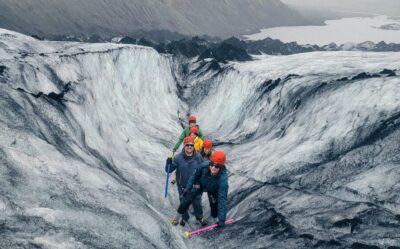
Browse the lists this tour appears in