Review · TICKETS
Kerið Volcanic Crater Admission Ticket
Kerið is one of Iceland’s most striking short stops: a red volcanic crater wrapped around a turquoise lake. You can walk the rim, descend toward the water, and get a close look at volcanic rock that seems almost too colorful to be real.
I like the easy Golden Circle location and the small admission fee. I also like that you set your own pace, with no group schedule or guide to follow. The main drawback is that access control may be inconsistent, so the $5 ticket can feel unnecessary if nobody checks it at the entrance.
In This Review
- Key points
- Kerið’s Red Bowl and Blue-Green Lake
- How the Crater Was Formed
- Walking the Rim for the Best Views
- Descending Toward the Shallow Lake
- Why Kerið Fits the Golden Circle
- Sunrise, Daylight, and Seasonal Timing
- Is the $5 Admission Worth It?
- What the Visit Includes
- Best Photo Spots and Simple Practical Tips
- Who Will Enjoy Kerið Most?
- Should You Book the Kerið Ticket?
- FAQ
- Where is Kerið Crater located?
- How much does admission to Kerið cost?
- What does the ticket include?
- How long is the ticket valid?
- When is Kerið open?
- Can I explore Kerið without a guide?
- Is Kerið wheelchair accessible?
- Can I cancel the booking for a refund?
Key points
- A 6,500-year-old collapsed volcano: Kerið formed when an erupted cone emptied its magma chamber and fell inward.
- Red rock and turquoise water: The crater’s color comes from its volcanic rock, while minerals in the soil give the shallow lake its brilliant tone.
- Two ways to see it: Walk the upper rim for broad views, then take the sloping path down toward the lake.
- A handy Golden Circle stop: Free parking and easy road access make Kerið simple to add to a driving day.
- Self-guided and flexible: You can visit during daylight hours and explore without joining a scheduled tour.
- Low-cost admission: At $5 per person, the ticket is modest, though one recent visit involved no visible access check.
Kerið’s Red Bowl and Blue-Green Lake
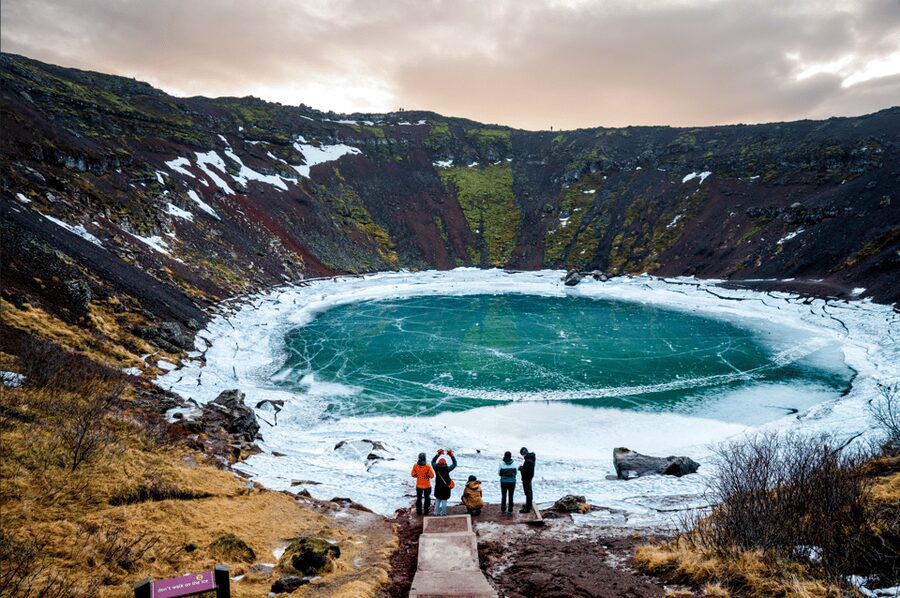
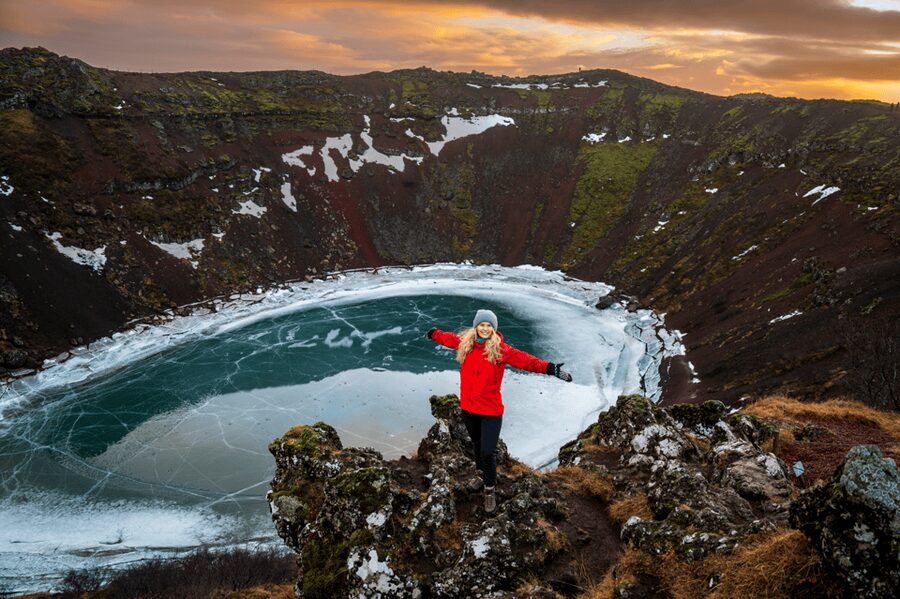
The first thing you notice is the color. Kerið is not a gray, barren hole in the ground. Its walls are made from red volcanic rock, with green moss covering parts of the slopes. At the bottom sits a shallow lake in a strong aquamarine shade.
The sight works because the colors are so different. Red earth frames green moss, and the blue-green water fills the center. On a clear day, this makes Kerið an excellent place for photographs, but the crater is more than a quick picture stop. Its shape lets you see the result of a major volcanic collapse at close range.
Kerið is about 55 meters deep, 170 meters wide, and 270 meters across. Those numbers are useful because they explain the scale. You are looking at a sizable caldera, but it is still compact enough to explore without committing to a long hike.
The crater sits at the northern end of a line of volcanic craters called Tjarnarhólar. It belongs to Iceland’s Western Volcanic Zone, which also includes the Reykjanes peninsula and Langjökull Glacier. That setting gives Kerið a place within Iceland’s wider volcanic story, rather than making it just an isolated scenic oddity.
More Reykjavik departures worth comparing
- Small-Group Golden Circle, Blue Lagoon with Ticket & Kerid Crater
★ 5.0 · 5,631 reviews - Reykjavik: FlyOver Iceland Entry Ticket
★ 4.7 · 3,499 reviews - Reykjavik: LAVA SHOW – Immersive Experience Entry Ticket
★ 4.8 · 3,360 reviews
How the Crater Was Formed
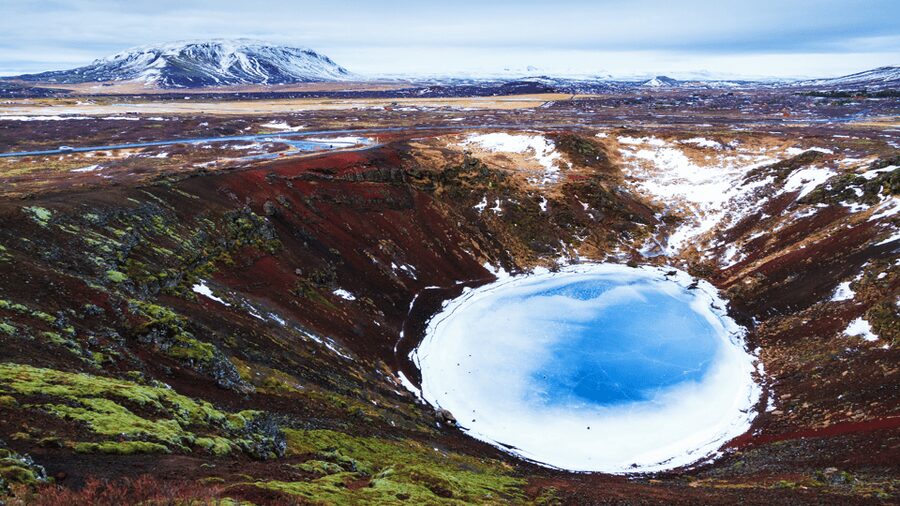
Kerið was created around 6,500 years ago. It did not form through a giant explosion that blasted a hole into the ground.
Instead, a cone volcano erupted and emptied much of its magma reserve. Once the supporting magma was gone, the weight of the cone caused it to collapse into the empty chamber below. The crater you see today is the result.
That detail changes how you read the site. You are not simply looking into an old volcanic vent. You are seeing the remains of a cone that lost its inner support and folded inward. The broad oval shape, red walls, and lake at the base all make more sense once you know that process.
The water is also worth a closer look. It sits at the same level as the local water table, rather than being filled mainly by rainfall. The lake is shallow, and its bright color comes from minerals in the soil. This is a small but useful piece of geology to keep in mind as you walk around the rim.
Walking the Rim for the Best Views
Your visit is self-guided, so you can begin wherever you like. Most people will first take in the crater from above, where the full bowl is easiest to understand.
The rim trail gives you changing angles over the lake and the opposite wall. From higher points, you can see how wide the caldera is and how the red rock changes shade around its sides. This is the best part of the visit if you want panoramic views rather than a close look at the water.
I would walk slowly instead of stopping at the first viewpoint. Kerið’s appeal comes from its shape, and the shape changes as you move. One section may put the lake in the center of the view, while another shows more of the outer volcanic terrain.
The rim is also the practical choice if you prefer to avoid the sloping descent. The experience is still worthwhile from above, especially in poor weather or when the ground feels slippery. You do not need to reach the bottom to understand why Kerið is popular.
Descending Toward the Shallow Lake
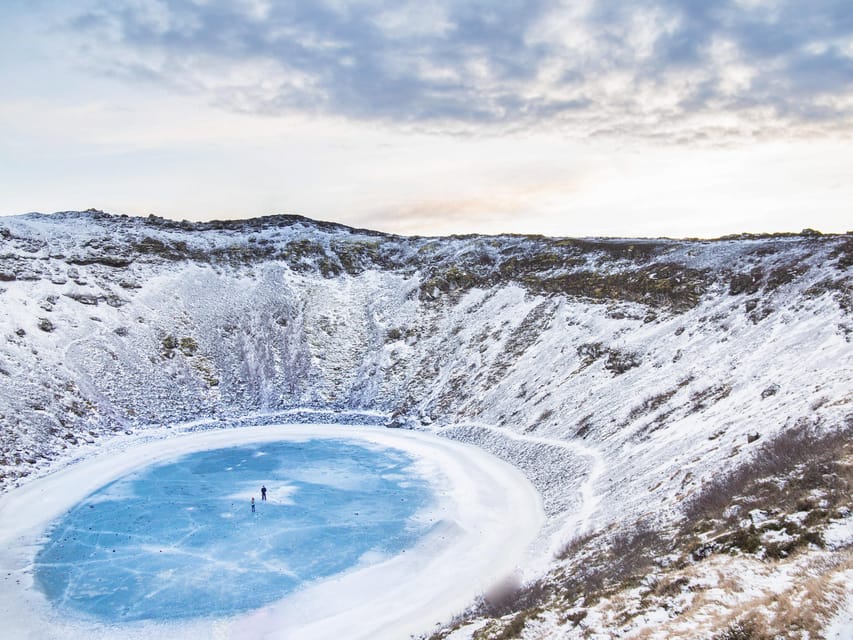
A sloping path runs down one wall of the crater toward the lake. The slope is covered with deep green moss, which adds another layer of color to the red stone.
Walking down gives you a different sense of scale. From the rim, the lake looks like a painted center to the crater. From lower down, the surrounding walls rise around you, and the water feels more enclosed.
You should take care on the descent, particularly if the surface is wet or icy. The supplied information describes the access as wheelchair accessible, but it does not provide details about slope grade, path surface, or which sections are suitable for every mobility device. If you use a wheelchair, confirm the current route conditions before relying on the lower path.
The lake itself is shallow, and this is a place for looking rather than swimming. Its unusual color is the point. The water level also helps explain the relationship between the crater and the underground water table.
After seeing the lake, you can climb back to the rim and continue around the upper trail. Since this is not a guided activity, you are free to spend more time at the viewpoint that suits you best.
Different weather plan, same pickup point:
- Reykjavik: Golden Circle Full-Day Tour with Kerid Crater
★ 4.8 · 24,485 reviews - Reykjavik Food Walk – Local Foodie Adventure in Iceland
★ 5.0 · 18,952 reviews - Iceland: Northern Lights Bus Tour from Reykjavik
★ 4.1 · 11,161 reviews - Reykjavík: South Coast Waterfalls, Black Sand & Glacier Tour
★ 4.8 · 11,030 reviews
Why Kerið Fits the Golden Circle
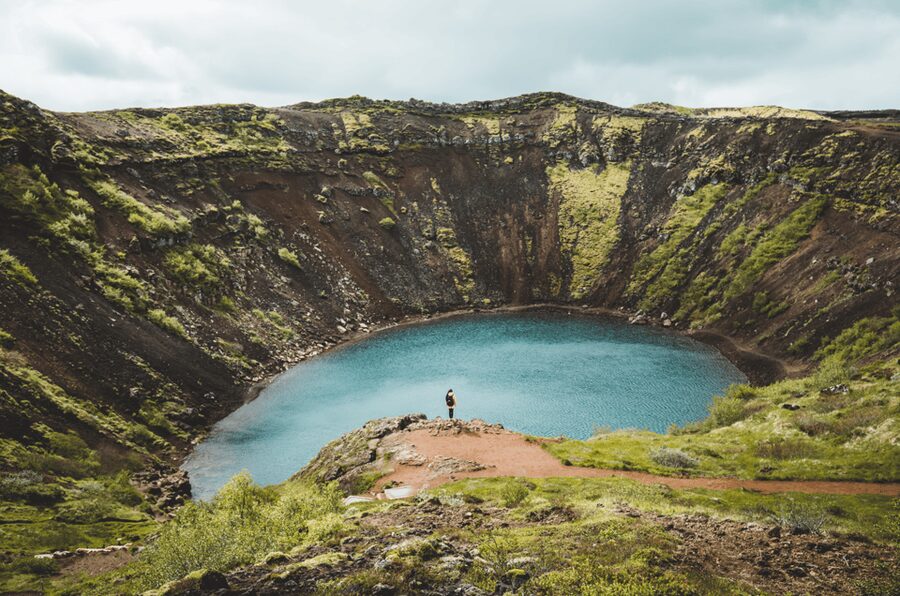
Kerið is in southern Iceland and is designed by its location to work as a road-trip stop. If you are driving the Golden Circle, it can be added without the planning needed for a long hike or a separate excursion.
Free parking keeps the visit simple. You arrive by car, leave the vehicle, and walk into the crater area. There is no stated transfer service, group meeting point, or guide-led schedule attached to this admission.
That independence matters on a busy sightseeing day. You can decide to stop for a short look, stay longer for photographs, or skip the descent if the weather turns poor. The ticket is valid for one day, and the site is open during daylight hours, so your timing depends on the rest of your route and the available light.
Kerið can also provide a useful contrast with other Golden Circle sights. Waterfalls, geothermal features, and historic places each tell a different part of Iceland’s story. Here, the focus is on volcanic structure, color, and the way water occupies an old magma chamber.
Sunrise, Daylight, and Seasonal Timing
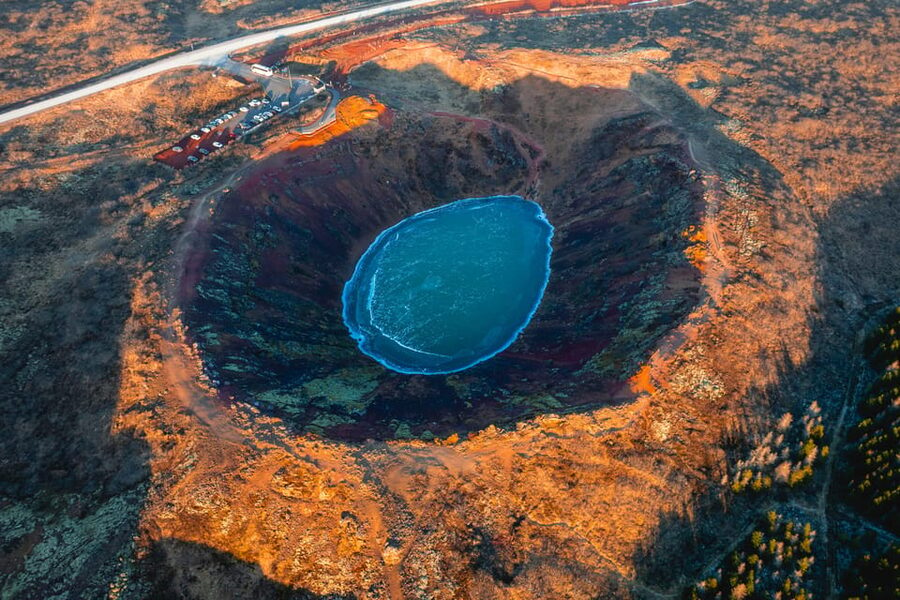
The crater is open during daylight hours. That makes the available experience depend heavily on the season, since Iceland’s daylight changes sharply across the year.
A January visitor arrived by rental car at sunrise and found the setting especially attractive at that hour. Sunrise can bring soft light across the red crater walls and reduce the harsh contrast that sometimes appears in midday photographs.
You should not treat sunrise access as guaranteed outside the stated daylight opening. The practical lesson is to check the current opening conditions and daylight before setting out, especially in winter.
Winter also brings a tradeoff. The low sun can make the colors beautiful, but snow, ice, or damp ground may affect the path. The site remains a compelling stop, yet the rim walk and descent may require more care than they would in dry conditions.
Is the $5 Admission Worth It?
At $5 per person, Kerið is one of the easier sightseeing expenses to justify on an Iceland road trip. The fee gives you access to a distinctive geological site with a rim path, a lower route, and strong photo opportunities.
The value is best if you already plan to drive nearby. You are not paying for transport, a full-day guide, or a long organized excursion. You are paying for access to a place that is easy to reach and visually different from many other stops.
There is one practical wrinkle. A recent February visit involved no one checking the entrance, making the ticket feel unnecessary to that person. That does not establish a reliable policy, and I would still treat admission as part of the visit rather than plan around a lack of inspection.
The low price also helps if you are traveling with a family or a larger group. It keeps the stop from becoming a major budget decision, while still adding a memorable geological feature to the day.
What the Visit Includes
This is a straightforward admission experience, not a guided tour. Your ticket includes entry to Kerið Crater, self-guided exploration, and time for photographs.
There is no guide named for the activity, and no commentary or scheduled route is listed. That means I would arrive with a little background already in mind, especially the explanation of the collapsed cone and the water table. A few facts make the short walk much more meaningful.
The self-guided format suits you if you prefer quiet observation and flexible timing. It is less suitable if you want a guide to explain the geology on site or organize your route. You will need to make your own decisions about the rim, the lower path, and how long to stay.
The experience is listed as wheelchair accessible. Since the available details do not describe every surface or incline, use the stated accessibility as a helpful starting point rather than a complete description of each section.
Best Photo Spots and Simple Practical Tips
The rim gives you the strongest all-in-one view. From above, you can frame the entire lake with the red and green walls around it.
The lower path offers a more enclosed view. Looking back up from the slope shows the crater walls rising around the water, while a position near the lake gives you a closer look at the mineral color.
I would allow enough time for both perspectives rather than taking one picture from the entrance and leaving. The site is compact, but the upper and lower viewpoints show different features.
A few simple choices will improve the visit:
- Check daylight first: Opening is tied to daylight hours.
- Bring footwear suited to outdoor paths: The crater includes a sloping route, and conditions can change.
- Pause at several rim points: The crater’s oval shape looks different from each section.
- Use the parking convenience: Free parking makes this an easy addition to a self-drive day.
- Keep the geology in mind: The water is linked to the water table, and the crater came from collapse rather than explosion.
These are not complicated preparations. Kerið is appealing partly because it asks little from you, yet gives you a clear look at Icelandic volcanic geology.
Who Will Enjoy Kerið Most?
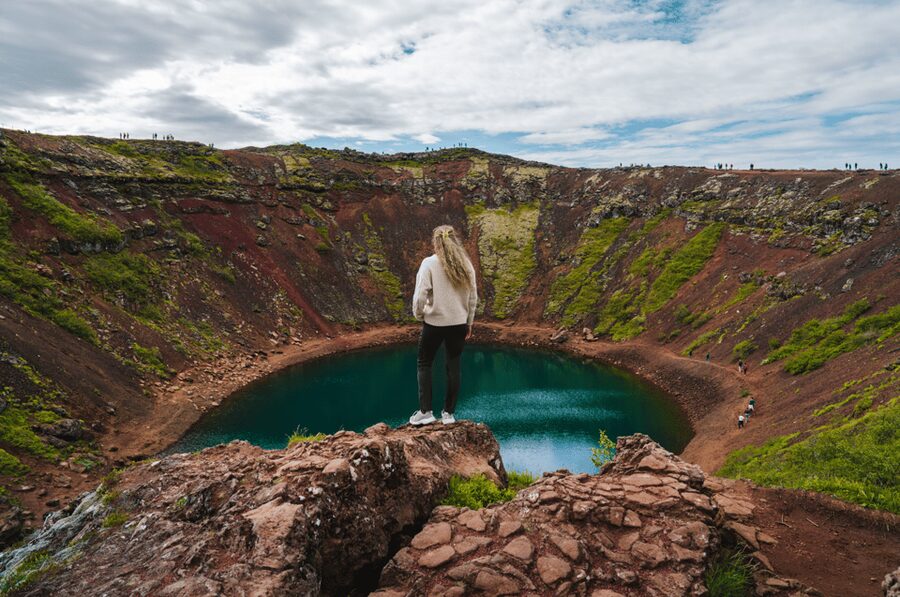
I would recommend Kerið to you if you are driving the Golden Circle and want a short, visually strong stop with little logistical fuss. It suits photographers, families, first-time visitors to Iceland, and anyone who prefers to explore at their own pace.
It is also a good choice if you want a site that feels different from a waterfall or hot spring. The colors are the main draw, but the formation story gives the visit substance.
You may want to keep expectations measured if you are looking for a long wilderness hike. Kerið is a compact attraction with an easy access point, not a remote trek. Its value comes from seeing something unusual without spending half a day reaching it.
The site may also be less appealing in poor conditions if you cannot comfortably use the sloping path. You can still view the crater from the rim, but the lower walk is what gives the place its closest connection to the lake.
Should You Book the Kerið Ticket?
Book it if you are already passing through the Golden Circle and want an inexpensive, self-guided stop with memorable color and a clear volcanic story. The red crater, green moss, and shallow turquoise lake make Kerið more than a roadside pause.
The $5 cost is modest, and free parking plus flexible daylight access keep the visit easy. I would book with realistic expectations: you are buying entry to a compact natural site, not a guided excursion or a full-day activity.
If your route does not pass near Kerið, the ticket alone is not a reason to make a long detour. If it does, I think the crater earns its place on the day, especially when you have time to walk both the rim and the sloping route toward the lake.
FAQ
Where is Kerið Crater located?
Kerið Crater is in Iceland’s Southern Region and is an accessible stop along the Golden Circle route.
How much does admission to Kerið cost?
Admission costs $5 per person.
What does the ticket include?
The ticket includes admission to Kerið Crater, self-guided exploration, and photo opportunities.
How long is the ticket valid?
The ticket is valid for one day.
When is Kerið open?
Kerið is open during daylight hours.
Can I explore Kerið without a guide?
Yes. The activity includes self-guided exploration, and no guide is required.
Is Kerið wheelchair accessible?
Yes, the activity is listed as wheelchair accessible.
Can I cancel the booking for a refund?
Yes. You can cancel up to 24 hours in advance for a full refund.
Newest write-ups around Reykjavik
- Private Snæfellsnes National Park★ 5.0 · 3 reviews
- Private South Coast tour with Glacier walk★ 5.0 · 3 reviews
- Exclusive Westman Islands Adventure – A Private Day Tour★ 5.0 · 3 reviews
- Blue lagoon Premium and Private Golden circle tour★ 5.0 · 3 reviews
- Private Superjeep Tour To Landmannalaugar and Hekla Volcano★ 5.0 · 3 reviews
- Private South Coast Tour: A Journey to Iceland’s Stunning Shore★ 4.5 · 3 reviews
- Reykjavik: PRIVATE Golden Circle tour with 5 TOP stops★ 5.0 · 3 reviews
- Sólheimajökull Glacier Hiking Tour★ 3.7 · 3 reviews
Tickets, compared.
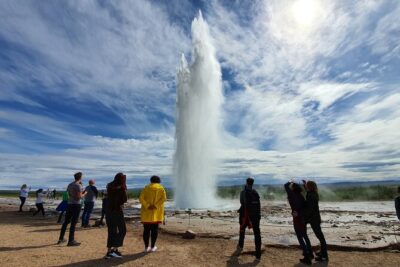
Small-Group Golden Circle, Blue Lagoon with Ticket & Kerid Crater
Read our review →
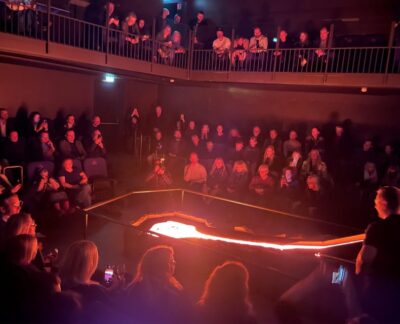
LAVA SHOW – Immersive Experience Entry Ticket
Read our review →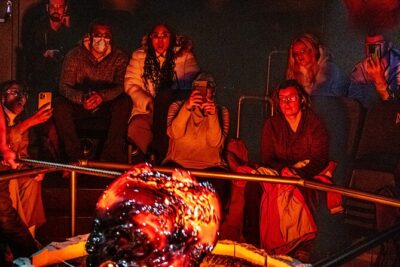
Lava Show Reykjavik Admission Ticket – Optional Premium Upgrade
Read our review →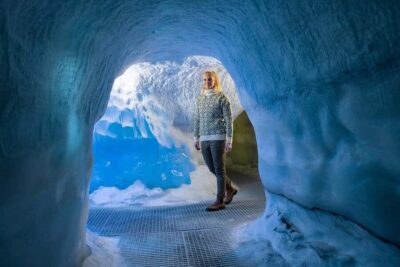
Perlan Museum Wonders of Iceland Entrance Ticket
Read our review →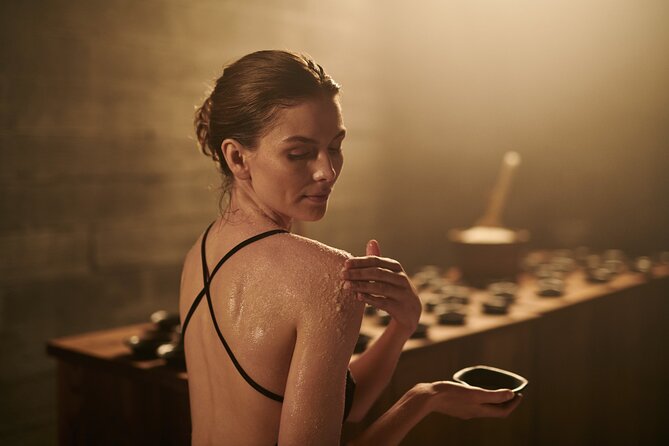
Sky Lagoon Entrance Ticket Including 7-Step Ritual
Read our review →