
Review · PRIVATE DRIVERS
From Reykjavik: Reykjanes Geopark Tour & Airport Transfer
Reykjanes is Iceland in a compact, unruly package: steaming mud, sulfur-stained hills, fresh lava, black coast, and two tectonic plates pulling apart under your feet. This seven-hour trip gives you a close look at that Land of Ice and Fire before returning you to Reykjavik or continuing toward the airport.
I like the small group of 5 to 17 people, which keeps the minibus comfortable and gives the guide room to adjust the pace. I also like the useful airport-transfer option, especially if you have a late afternoon flight and want to turn waiting time into a proper half-day outing. The main caution is Reykjanes volcanic activity. Roads can close, and some key stops may be replaced without much warning.
In This Review
- Key points at a glance
- Why Reykjanes makes such a good half-day outing
- Pickup in Reykjavik and the small-minibus setup
- Hafnarfjörður: a short pause before the open country
- Kleifarvatn and Grænavatn: water in volcanic country
- Seltún at Krýsuvík: the most memorable walk
- Grindavík and the new lava fields
- Gunnuhver: steam, mud, and a local ghost story
- Reykjanesviti and the bird cliffs
- The Bridge Between the Continents
- Airport and Blue Lagoon options
- What $159 buys you
- Weather, safety, and route changes
- Who should book this Reykjanes tour?
- Should you book it?
- FAQ
- How long does the Reykjanes Geopark tour take?
- Can I be dropped off at Keflavík International Airport?
- Is Blue Lagoon admission included?
- What should I bring?
- What happens if volcanic activity closes part of the route?
- How large is the group?
Key points at a glance
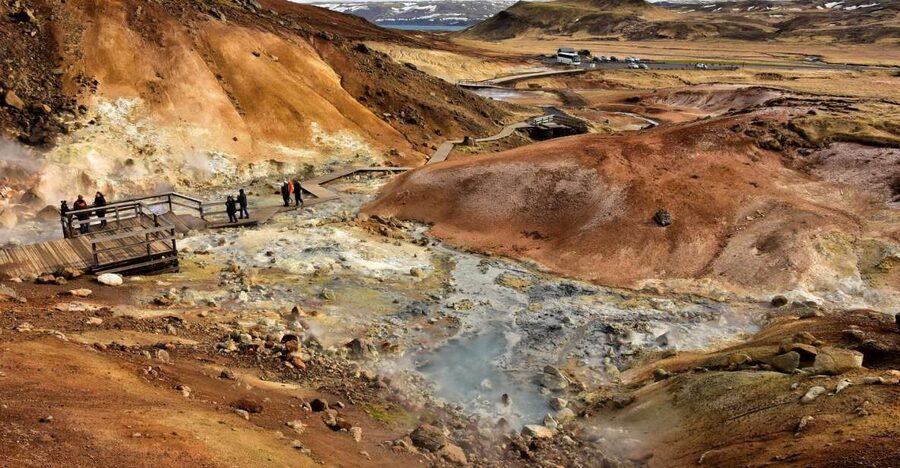
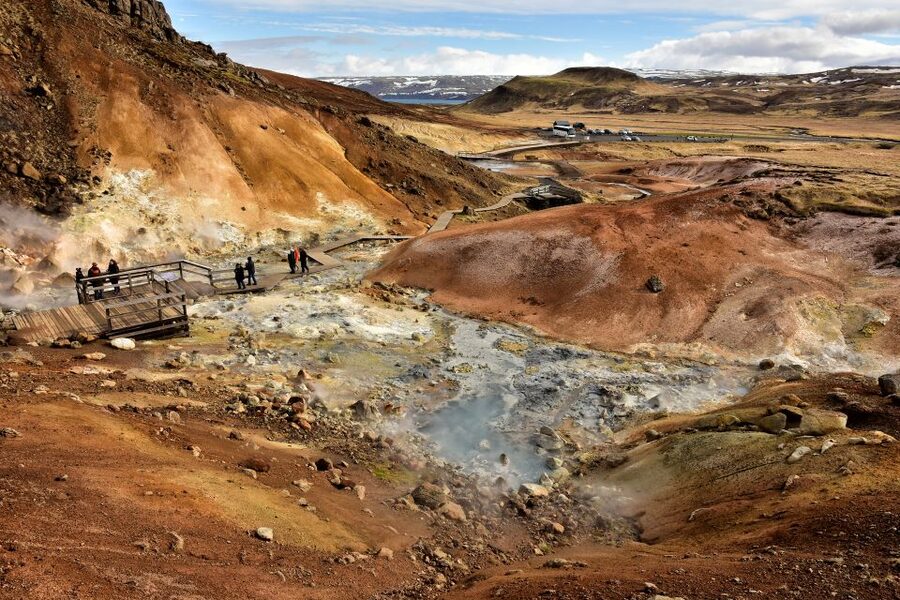
- Seltún’s bubbling ground: Walk among yellow, red, and orange earth, steaming vents, and hot pools at Krýsuvík.
- A practical airport connection: The tour can finish with an optional drop-off at Keflavík International Airport or the Blue Lagoon.
- Guides make the difference: Trond, Gummi, Ian, Jakob, Starri, and Rakel have all been praised for clear explanations, humor, and local stories.
- Fresh volcanic ground: Near Grindavík, you may see lava formed during the area’s recent eruptions, though access depends on current safety rules.
- A true small-group outing: The minibus avoids the feel of a large coach and allows more personal help at stops.
- Weather controls the day: Bring rain gear, outdoor clothes, and sturdy shoes. Iceland rarely follows a tidy schedule.
Why Reykjanes makes such a good half-day outing
Many visitors use Reykjavik as a base for Iceland’s famous sights, then leave the Reykjanes Peninsula for the airport transfer. That is a missed opportunity. Reykjanes is one of the clearest places in the country to see geothermal heat, volcanic activity, and tectonic movement working together.
The peninsula is a UNESCO Global Geopark, but you do not need a geology degree to enjoy it. You will see water-colored crater lakes, ground that hisses and boils, cliffs packed with seabirds, and lava fields that look almost too new to belong to a settled country.
The route is also efficient. You leave central Reykjavik in the morning, visit several very different sites, and return around 4 PM. If you are flying later in the day, the airport drop-off can make the tour especially useful. Still, you should check your flight timing carefully. Pickup is generally between 9 and 9:30 AM, and the route can take longer if volcanic activity changes the roads.
More airport runs in Reykjavik:
- Iceland: Airport Transfers between Keflavík and Reykjavik Center
★ 4.5 · 2,485 reviews - Airport Transfer in Iceland from Keflavik Airport to Reykjavik City With Hotel Drop Off
★ 4.0 · 464 reviews - Airport Express Shared Arrival Transfer from Keflavik Airport to Reykjavik Hotels
★ 4.0 · 421 reviews
Pickup in Reykjavik and the small-minibus setup
Pickup is offered at a long list of Reykjavik hotels, guesthouses, bus stops, the cruise terminal, and Reykjavik Airport. If your accommodation is outside the fixed pickup area or more than a 10-minute walk from one of the listed points, you need to contact the operator in advance.
Be outside by 9 AM, keep your phone on, and look for a minibus marked Gateway to Iceland. Pickup order and traffic can shift the exact time. That simple bit of preparation matters in Reykjavik, where tour buses often use designated stops rather than pulling up directly outside every hotel.
The vehicle is climate-controlled, and the group size is limited to between five and 17 people. That is a useful middle ground. You get more room than on a large coach, but the price does not reach private-tour levels. A few people specifically praised the comfortable, spacious vehicle and the personal attention from the driver-guide.
Your guide is also your interpreter for the day. Past guides have included Trond, Gummi, Ian, Jakob, Starri, and Rakel. The strongest part of the guiding is not only the geology. Guides have added Icelandic history, family stories, humor, and practical help, including finding a suitable lunch stop for a vegetarian group.
Hafnarfjörður: a short pause before the open country
The first listed break is in Hafnarfjörður, with about 30 minutes for coffee or shopping. This is not a major sightseeing stop, but it gives you a chance to stretch, use facilities, and buy something before the more exposed part of the peninsula.
Food and drinks are not included, so this is a sensible place to bring or buy a snack. The tour packs many stops into one day, and you will appreciate having something small to eat before the geothermal sites. Do not count on a full restaurant meal being part of the package, although the guide may suggest a lunch spot.
Kleifarvatn and Grænavatn: water in volcanic country
Kleifarvatn is the first major natural stop. The lake sits over a fissure zone and is fed by underground springs, giving it a strong connection to the volcanic forces below. It feels broad and quiet, especially after the city and the first stretch of driving.
The stop is more about scale and setting than a long walk. You will have time to look across the water, take photos, and hear how the lake fits into the region’s geology. The weather can change quickly here, so keep your outer layer close rather than buried in the minibus.
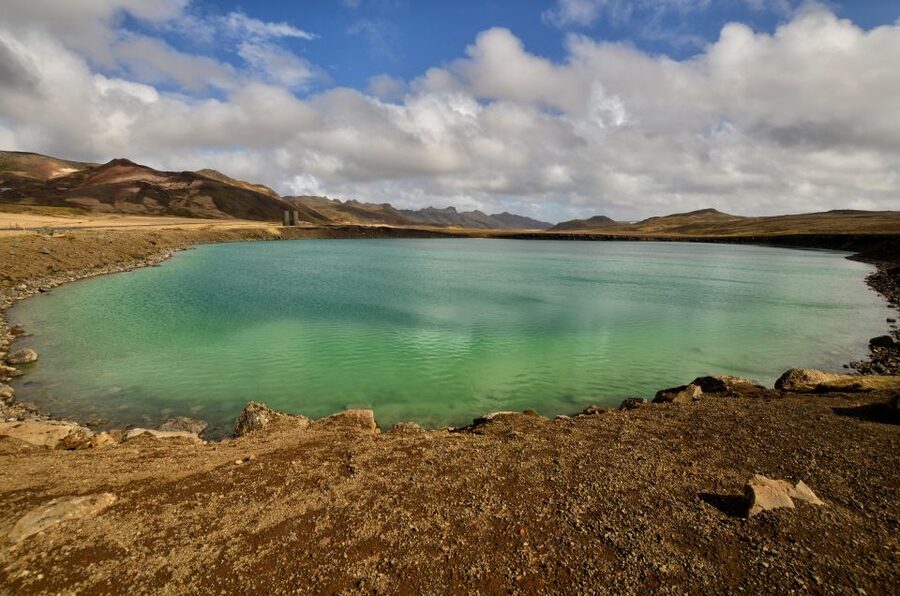
Grænavatn offers a different view. This small lake fills a volcanic crater and is known for its teal-colored water. The stop is brief, around 10 minutes, but that is enough to see the unusual color and understand how varied Reykjanes can be. Do not expect a long trail or a leisurely picnic here. It is a quick, worthwhile look before the tour continues.
More Reykjavik departures worth comparing
- Reykjavik: Sky Lagoon Admission with Transfer
★ 4.8 · 2,388 reviews - Reykjavík: Golden Circle Minibus Tour & Blue Lagoon Transfer
★ 4.9 · 546 reviews - The Lava Tunnel Tour with Transfer from Reykjavik
★ 4.5 · 435 reviews - Airport Express Shared Departure Transfer from Reykjavik Hotels to Keflavik Airport
★ 4.0 · 386 reviews
Seltún at Krýsuvík: the most memorable walk
For many people, Seltún is the best stop of the day. The hills are stained yellow, orange, red, and brown by geothermal minerals, while steam rises from vents and mud bubbles below. The effect is stark and otherworldly, with parts of the ground resembling Mars.
You get about 30 minutes to walk among the hot springs. That is long enough to stretch your legs and take photographs, but not so long that you are left waiting. Stay on the marked paths and obey every barrier. The colorful ground is attractive because it is active, and the hot water and steam are not safe to approach.
This is where sturdy footwear matters most. The paths can be uneven, wet, or slippery, and rain can make the colors less vivid in photographs. I would bring a waterproof jacket even in summer. Seltún is exposed, and the combination of wind, steam, and sudden rain can make light clothing a poor choice.
A good guide adds real value here. The sights are easy to photograph, but harder to understand without context. The guide can explain why the soil changes color, point out fumaroles and mud pools, and help you see that this is not simply a scenic stop. It is a working geothermal area.
Grindavík and the new lava fields
The route then moves toward Grindavík, a fishing town affected by recent volcanic activity. The tour is designed to show newly formed lava fields and the eerie remains of a place that was once a thriving community.
This part of the day is also the least predictable. Roads around Grindavík have closed during periods of eruption risk, and access may change quickly. If the town or lava areas are restricted, the guide must follow safety orders. You may get a replacement stop, but it may not have the same impact as seeing the fresh lava.
That uncertainty is not a flaw in the operator’s planning. It is simply the reality of visiting an active volcanic region. Still, you should book this tour for the overall Reykjanes experience, not with the assumption that every Grindavík viewpoint will be open on your date.
If access is available, the lava fields give the day a powerful sense of time. You are not looking at an ancient formation behind a museum rope. You are seeing ground shaped by events that remain part of Iceland’s current story.
Gunnuhver: steam, mud, and a local ghost story
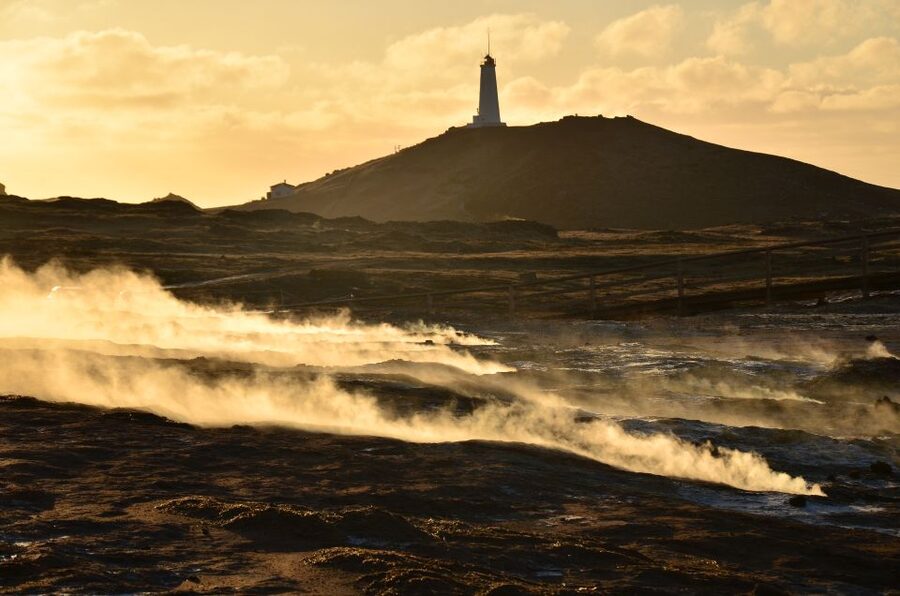
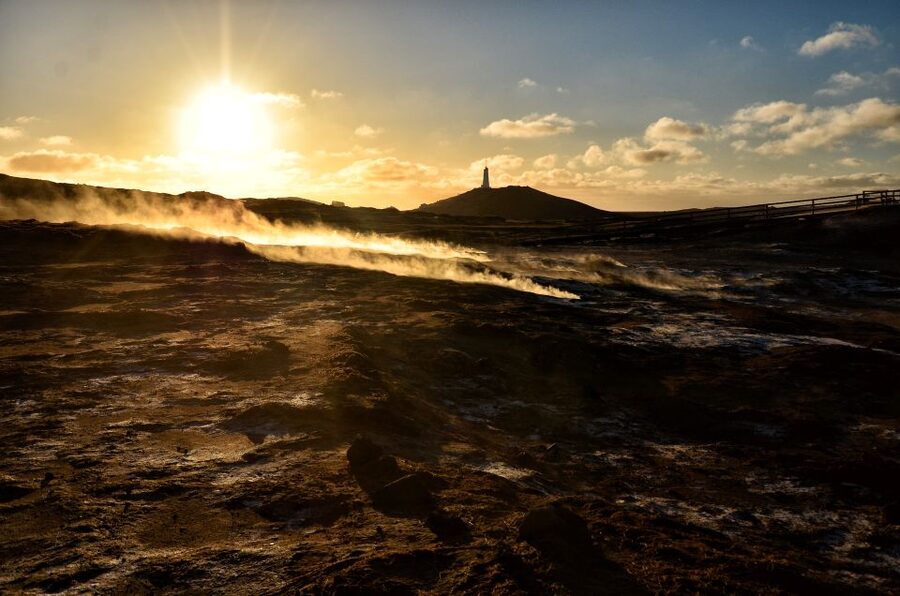
Gunnuhver is a geothermal area of steaming vents and boiling mud pools. It is less polished than a spa and more forceful than a scenic hot spring. The ground seems to breathe, hiss, and churn.
The stop lasts about 10 minutes, so listen closely as soon as you get out of the minibus. This is where the guide tells the story of Gunna, a local ghost whose tale gives the area its name. It is a small piece of folklore, but it adds character to an otherwise severe setting.
The smell of sulfur can be strong. That is normal, but it may bother you if you are sensitive to such odors. Keep your distance from the vents, remain on the walking route, and avoid wandering toward steaming ground for a better photograph.
Reykjanesviti and the bird cliffs
The Reykjanes lighthouse stop gives you about 30 minutes for coastal views and photographs. Reykjanesviti is Iceland’s oldest lighthouse, and its position near the ocean makes it more than a quick architecture stop.
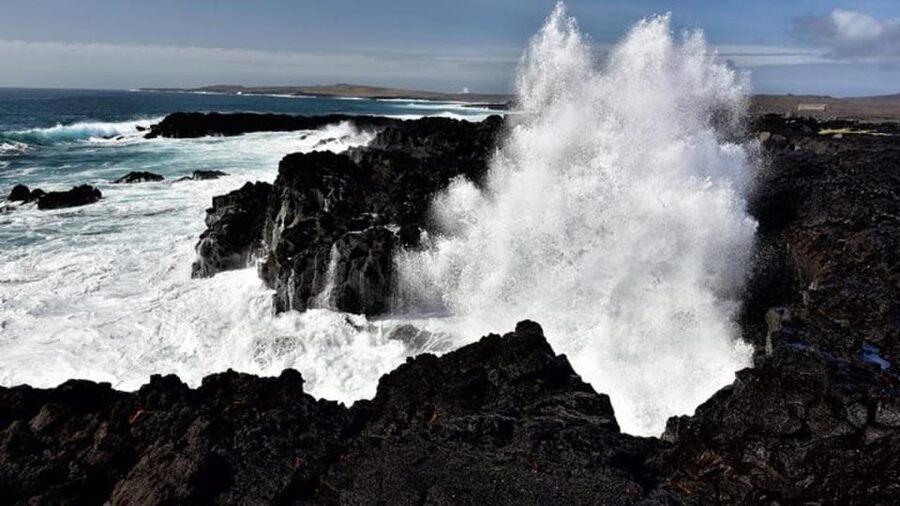
Nearby cliffs provide habitat for birdlife, and the view across the coast is one of the tour’s best contrasts with the inland hot springs. After seeing mud and steam, you get open water, wind, rock, and the hard edge of the peninsula.
If conditions allow, your guide may give you extra time around Valahnúkur point. That is worth taking. The coast can feel raw and spacious, and it gives you a better sense of why Reykjanes has long been shaped by both the sea and volcanic forces.
The drawback is exposure. Wind can be fierce, and the walking ground may be rough. Keep your hat secure, wear shoes with a firm sole, and do not stand close to cliff edges for photos.
The Bridge Between the Continents
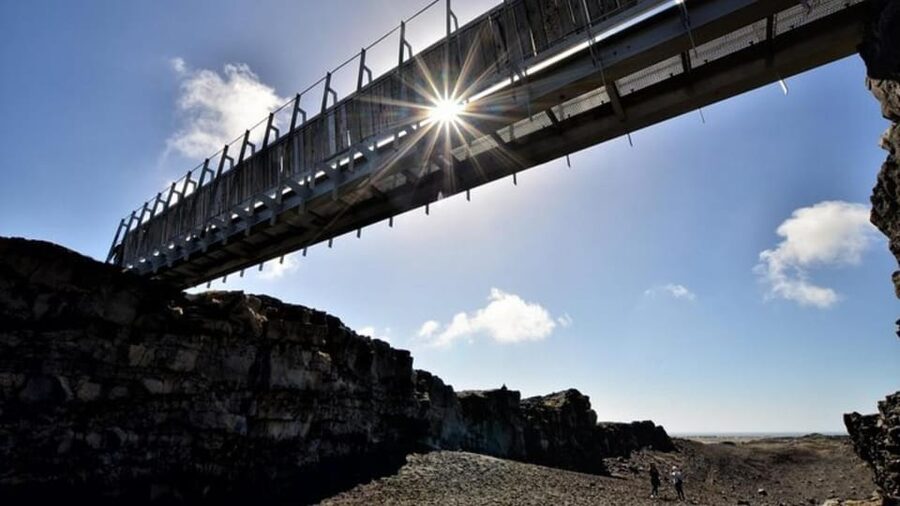
The final sightseeing stop is the Bridge Between the Continents, a symbolic footbridge crossing a visible fissure between the North American and Eurasian tectonic plates. The bridge does not literally carry you from one continent to another in the way a national border crossing does, but it makes an abstract geological idea easy to understand.
You get around 20 minutes here. It is a short walk and a good place for a photograph, but the bridge itself is modest. If you are expecting a grand engineering project, you may find it underwhelming. Its value is educational and symbolic: the ground beneath Iceland is slowly being pulled apart.
The stop works well at the end because you have already seen the results of underground heat and volcanic movement. By this point, the bridge feels like a final explanation for the strange sights you saw earlier.
Airport and Blue Lagoon options
After the bridge, the minibus passes Keflavík International Airport and the Blue Lagoon before returning toward Reykjavik. An optional drop-off at the airport or Blue Lagoon is available, and admission to the Blue Lagoon is not included.
This arrangement is most useful for a day when you need to leave Reykjavik later. It can save you from booking a separate airport transfer, while giving you several hours of sightseeing first. You should still confirm the drop-off arrangement and allow enough time for your flight. Volcanic road closures, weather, and traffic can alter the schedule.
If you are going to the Blue Lagoon, treat the stop as transport rather than a spa visit unless you have separately arranged admission. The tour does not include entry, and the listed route only passes by the site.
What $159 buys you
At $159 per person, this is not the cheapest way to see Reykjanes. Large coach tours may cost less, especially if you only want a few brief photo stops. The value here comes from the combination of small-group transport, hotel pickup and return, a local English-speaking guide, and the airport-transfer option.
You also get a route that covers several types of scenery in one day: two lakes, geothermal ground, lava near Grindavík, coastal cliffs, a lighthouse, and the tectonic bridge. A self-drive trip might offer more freedom, but you would need to handle navigation, changing road closures, parking, and the safety rules around active volcanic areas.
I consider the price fair if you value time, explanation, and a less crowded vehicle. It is less compelling if you already have a rental car or only want to see one or two Reykjanes sights. The tour earns its cost through the guide and the number of stops, not through included meals or paid attractions.
Weather, safety, and route changes
Bring rain gear, warm outdoor clothing, and sturdy outdoor footwear. You will get in and out of the minibus several times, and some stops are exposed or uneven.
The route can be changed because of volcanic activity. In rare cases, sections may be unavailable and replaced with alternatives. Weather can also delay, alter, or cancel the trip. A minimum of four participants is required, so a confirmed booking can still be canceled if that number is not reached, with an alternative or full refund offered.
Children are required by Icelandic law to use booster seats. If you are traveling with children, make sure the operator has the necessary information at booking.
Free cancellation is available up to 24 hours in advance, and you can reserve now and pay later. Those terms are useful when Iceland’s weather and volcanic conditions make firm planning difficult.
Who should book this Reykjanes tour?
I would choose this tour if you want a broad introduction to the peninsula without renting a car. It suits first-time visitors, photographers, geology fans, cruise passengers, and anyone with a late afternoon flight from Keflavík.
It is also a good fit if you prefer stories and explanations over a silent transfer. Guides such as Jakob and Starri have added Icelandic history and local life to the geology, while Ian and Gummi have been praised for practical help and humor. The guide can make the long drives between stops feel like part of the experience.
I would think twice if you need a guaranteed route through Grindavík, a guaranteed lighthouse visit, or a fixed arrival time at the airport. Reykjanes is an active region, and no responsible operator can promise that every road will remain open.
Should you book it?
Book this tour if you want to see the real character of Reykjanes in one well-packed day: hot mud, lava, sea cliffs, lighthouse views, and the tectonic divide. The small minibus, strong driver-guides, and airport option make it a practical choice at $159.
Skip it if your schedule is tight, your flight leaves soon after the expected return, or you mainly want a spa visit at the Blue Lagoon. For everyone else, this is one of the better ways to turn a transfer day into a proper look at Iceland’s most active corner.
FAQ
How long does the Reykjanes Geopark tour take?
The tour lasts about seven hours. Pickup generally takes place between 9 and 9:30 AM, and the return to Reykjavik is expected around 4 PM.
Can I be dropped off at Keflavík International Airport?
Yes. The tour offers an optional drop-off at Keflavík International Airport, making it useful before a flight. You should allow suitable time for your flight because weather and volcanic road conditions can affect the route.
Is Blue Lagoon admission included?
No. The tour can pass by or drop you at the Blue Lagoon, but admission is not included in the $159 price.
What should I bring?
Bring rain gear, outdoor clothing, and sturdy outdoor footwear. The tour includes exposed coastal areas, geothermal paths, and several walks outside the minibus.
What happens if volcanic activity closes part of the route?
The route may be changed, and some sections may be replaced with alternatives. The tour can also be delayed or canceled because of unsafe weather or volcanic conditions.
How large is the group?
The small group normally includes between five and 17 people. A minimum of four participants is required for the tour to operate.
Newest write-ups around Reykjavik
- Private Snæfellsnes National Park★ 5.0 · 3 reviews
- Private South Coast tour with Glacier walk★ 5.0 · 3 reviews
- Exclusive Westman Islands Adventure – A Private Day Tour★ 5.0 · 3 reviews
- Private Superjeep Tour To Landmannalaugar and Hekla Volcano★ 5.0 · 3 reviews
- Private South Coast Tour: A Journey to Iceland’s Stunning Shore★ 4.5 · 3 reviews
- Blue lagoon Premium and Private Golden circle tour★ 5.0 · 3 reviews
- Reykjavik: PRIVATE Golden Circle tour with 5 TOP stops★ 5.0 · 3 reviews
- Sólheimajökull Glacier Hiking Tour★ 3.7 · 3 reviews
Private Drivers, compared.
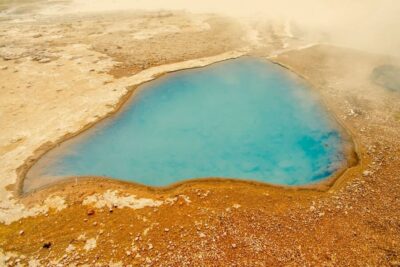
Golden Circle Minibus Tour & Blue Lagoon Transfer
Read our review →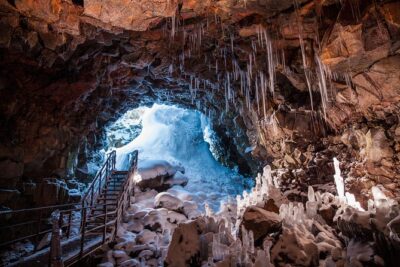
The Lava Tunnel Tour with Transfer from Reykjavik
Read our review →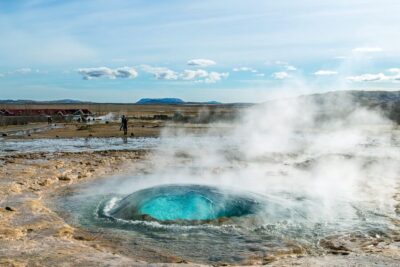
Golden Circle Day Trip with Blue Lagoon Transfer
Read our review →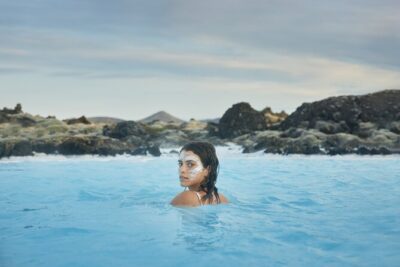
Blue Lagoon Entry Ticket with Optional Private or Shared Transfer
Read our review →
Keflavik International Airport Private Transfer To/From Reykjavik
Read our review →
Short Glacier Encounter Walk with 4×4 Transfer
Read our review →Browse the lists this tour appears in