
Review · HELICOPTER TOURS
From Reykjavik: New Volcanic Area Helicopter Tour
A helicopter lifts you from Reykjavik and carries you toward one of Iceland’s newest volcanic areas, where fresh lava fields, black craters, and recent eruption sites spread across the Reykjanes Peninsula. From the air, the scale is the real surprise. What looks like a single volcano from the ground becomes a wide pattern of fissures, cones, and lava streams.
I love the small six-person group, which gives the pilot room to circle the volcanic area so people on both sides can see. I also like the chance to spot Mount Esja and Faxafloi Bay on the way out and back. The main drawback is price: at $577 per person for about 40 minutes, this is a major splurge, and the volcano may be quiet or hidden by weather.
- Fresh volcanic ground: Fly over recent eruption sites around Litli Hrutur, Geldingadalir, and Fagradalsfjall.
- Six passengers maximum: A small cabin makes it easier for the pilot to give everyone viewing time.
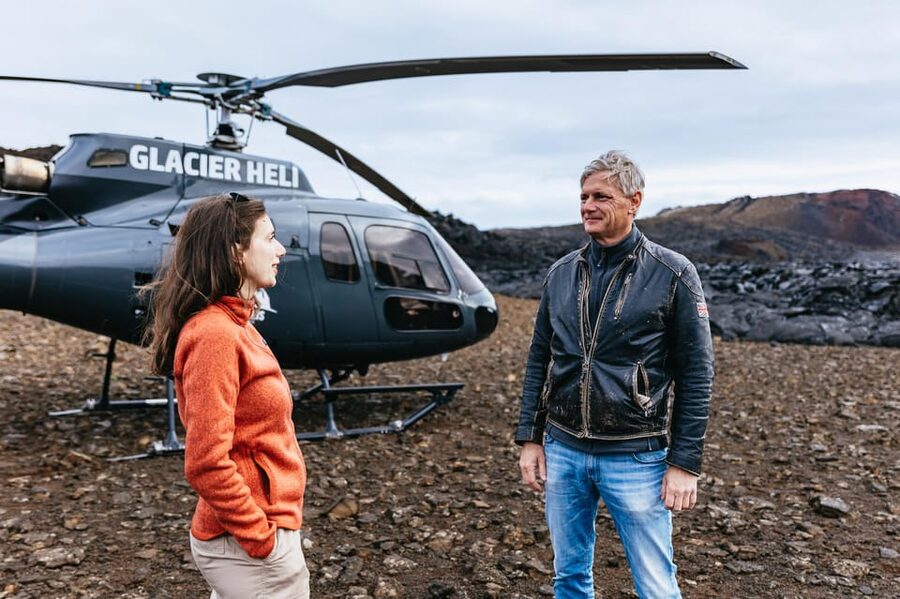
- Possible lava-field landing: In suitable conditions, the helicopter may set down near older lava for a short walk.
- Reykjavik departure: Ace FBO is just behind Hotel Reykjavik Natura.
- Weather comes first: Flights can be delayed, rescheduled, or canceled for safety.
- English guidance: Your pilot provides live commentary, with an English audio guide included.
In This Review
- Why See Reykjanes From a Helicopter?
- Leaving Ace FBO Reykjavik
- Capital Region Views in the First Five Minutes
- Litli Hrutur and Geldingadalir From Above
- Fagradalsfjall and the Main Volcanic View
- Grindavik and the Human Cost of Eruptions
- The Possible Lava-Field Landing
- Returning to Reykjavik After 40 Minutes
- Weather, Eruptions, and Smart Booking
- Who Will Get the Most From This Flight?
- Should You Book the Reykjanes Helicopter Tour?
- FAQ
- Where does the helicopter tour begin?
- How long does the flight last?
- How many people can join the flight?
- Which volcanic areas does the route visit?
- Will I definitely see flowing lava?
- Can the helicopter land near the lava fields?
- Is the tour available in English?
- What happens if the weather is bad?
- What if I weigh more than 120 kilograms?
Why See Reykjanes From a Helicopter?
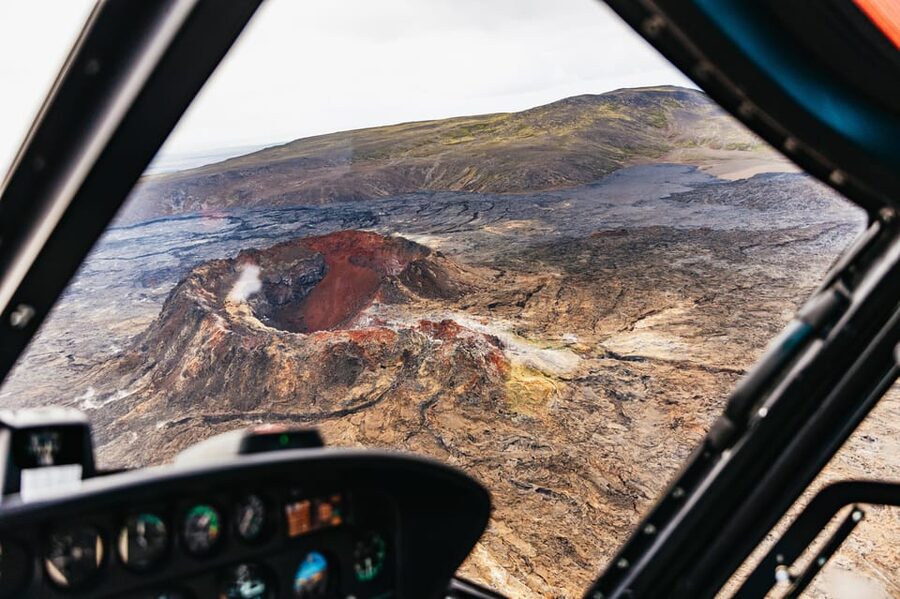
The Reykjanes Peninsula is a volcanic zone shaped by repeated eruptions, and recent activity has made parts of it especially difficult to visit on foot. Roads, closures, safety rules, and rough ground can limit what you see from below. A helicopter gives you a quick, clear look at the whole area without requiring a long hike.
The flight route covers an area about 19 miles, or 30 kilometers, from Reykjavik. It is close enough to fit into a morning or afternoon in the capital, but far enough to reveal a striking change from city streets to broad black lava fields.
You may see a simmering crater, glowing lava, smoke, or flowing streams if an eruption is active and visibility is good. You may also see cooled lava and quiet craters. That difference matters. The activity is not a guaranteed live-eruption flight, so you should book it for the volcanic region and the aerial view, not only for red-hot magma.
The route has included volcanic activity from several recent years, including the 2021 and 2023 eruption areas. The peninsula has seen 12 eruptions in four years, according to the tour information, but volcanic activity changes quickly. Nature does not keep the timetable.
Leaving Ace FBO Reykjavik
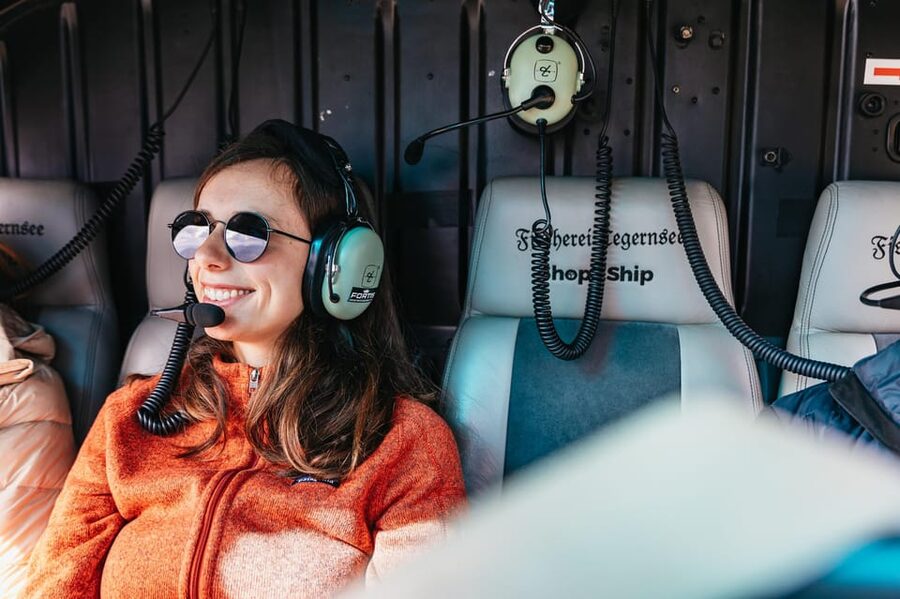
You meet at Ace FBO Reykjavik, located just behind Hotel Reykjavik Natura. The operator works from the ACE FBO building, not from a downtown hotel or a tour-bus terminal, so allow enough time to reach the correct place.
The helicopter carries five or six people. That is a useful size for this kind of flight. You are not sharing the cabin with a large crowd, and the pilot can make repeated turns around the volcanic area. Several pilots, including Laura, Tamas, Tashi, Peter, Danny, and Daniel, have been praised for calm flying, clear explanations, and making sure both sides of the cabin get a view.
The staff have also been described as welcoming and helpful before departure. Coffee, tea, and water have been available at the FBO, though food and drinks are not part of the official inclusions. The experience includes the helicopter flight and pilot, along with live English guidance and an English audio guide.
Before takeoff, you receive a safety briefing. The aircraft is modern, and the pilots follow the Department of Civil Protection and Emergency Management rules. That can mean a frustrating wait when volcanic conditions or airspace restrictions change, but it is the correct trade-off. One flight was delayed when air traffic control closed the airspace, while another was held up because the volcano began erupting. In both cases, patience paid off.
More Reykjavik departures worth comparing
- 1-Hour Helicopter Tour in Iceland: The Geothermal Tour
★ 4.9 · 263 reviews - Helicopter Tour with Mountain Summit Landing from Reykjavik
★ 5.0 · 243 reviews - Iceland Volcanic Eruption Area Helicopter Tour from Reykjavík
★ 4.5 · 196 reviews
Capital Region Views in the First Five Minutes
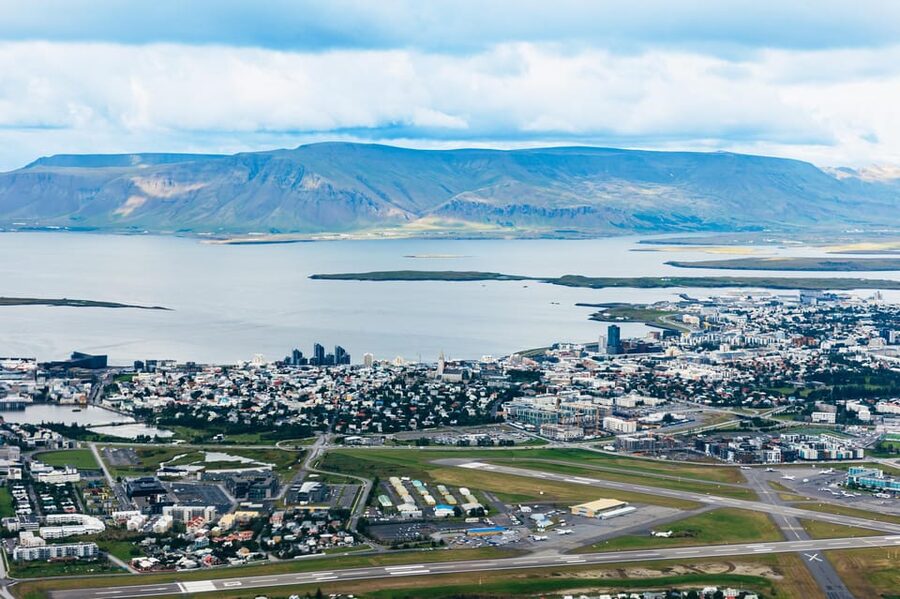
The first section is a short sightseeing flight over the Capital Region. It is not the main event, but it helps you see Reykjavik in context. The city, coast, bay, and surrounding mountains quickly become a single view from the cabin.
Mount Esja is one of the key sights to watch for. Across Faxafloi Bay, its shape gives the flight a strong sense of place. You also get an immediate contrast between Reykjavik’s low buildings and Iceland’s open, rugged surroundings.
Five minutes passes quickly, so keep your camera ready from the start. The helicopter windows offer the best chance for photos, but reflections and glare can be a problem. If you bring a phone, hold it close to the window without touching the glass and avoid using a large camera strap near the cabin.
Litli Hrutur and Geldingadalir From Above
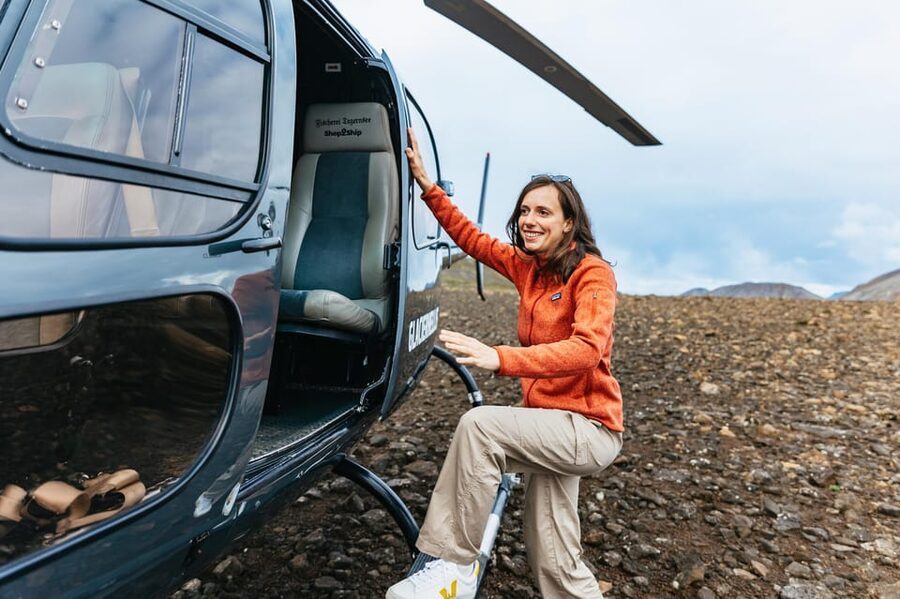
The flight then reaches Litli Hrutur Volcano, one of the recent eruption sites on the Reykjanes Peninsula. This is where the trip shifts from a general scenic flight to a focused look at new volcanic ground.
From above, the important detail is not only the crater. You can see how the lava spread across the surrounding area, where it stopped, and how the dark flows cut through older ground. If the site is active, you might see smoke or glowing material. If it is quiet, the shapes of the crater and lava field still tell the story.
Geldingadalir Volcano follows, with about five minutes of sightseeing. The short timing does not mean you get only one quick glance. Pilots may circle and approach from different directions so passengers on both sides can see. That has been one of the strongest features of the flight, especially for people seated away from the front.
The cabin is small, so you cannot simply wander from one window to another. The pilot’s choice to make loops and adjust the approach matters. You should still expect that your view will depend partly on your seat and on the position of the helicopter, but the flight plan is designed to give everyone a fair look.
Fagradalsfjall and the Main Volcanic View
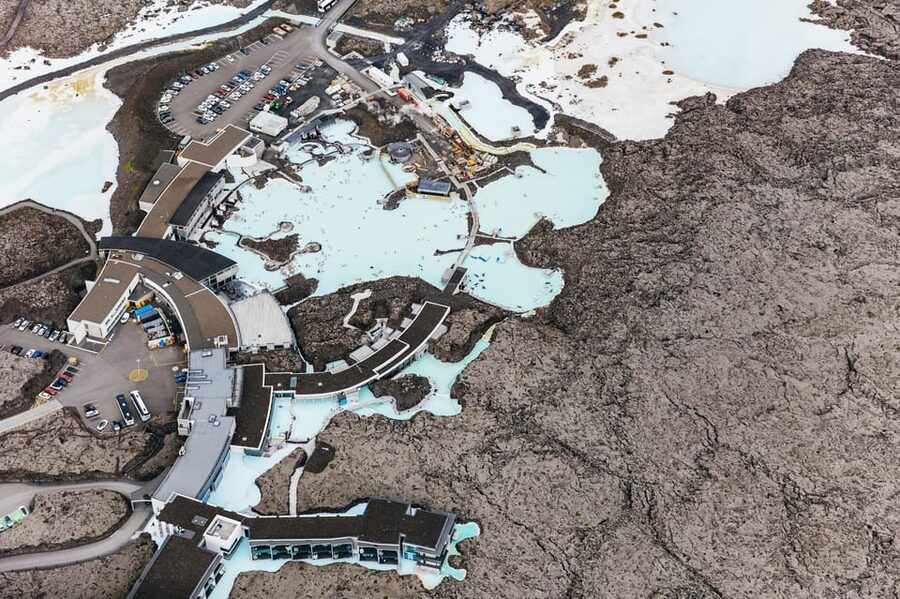
The route allows about 10 minutes around Fagradalsfjall Volcano, giving you the longest dedicated look at a single volcanic area. This is where the tour earns much of its appeal.
Fagradalsfjall is not just a mountain to photograph. The area shows several stages of volcanic change: older craters, newer lava, rough black surfaces, and the broad paths created by molten rock. From ground level, you see only a small section at a time. From the helicopter, you can understand the shape and reach of the eruption zone.
A good pilot will make several passes, banking left and right. Laura has been praised for giving passengers time for photos and for checking that everyone was happy with the view. Other pilots have done the same, approaching the crater from different directions and making repeated loops.
If an eruption is active, the scene can be dramatic. Smoke, heat, bright colors, and moving lava may appear below you. One flight described a red-hot flow moving toward the sea, while another saw an eruption only days after it began. Those conditions are special, but they are not normal for every departure.
If the volcano is no longer erupting, do not assume the flight has lost its purpose. The old craters and cooled lava remain visually striking. One passenger described the terrain as other-worldly even after the eruption had ended, and that is a fair way to think about this part of the route.
Different weather plan, same pickup point:
- Reykjavik: Golden Circle Full-Day Tour with Kerid Crater
★ 4.8 · 24,485 reviews - Reykjavik Food Walk – Local Foodie Adventure in Iceland
★ 5.0 · 18,952 reviews - Iceland: Northern Lights Bus Tour from Reykjavik
★ 4.1 · 11,161 reviews - Reykjavík: South Coast Waterfalls, Black Sand & Glacier Tour
★ 4.8 · 11,030 reviews
Grindavik and the Human Cost of Eruptions
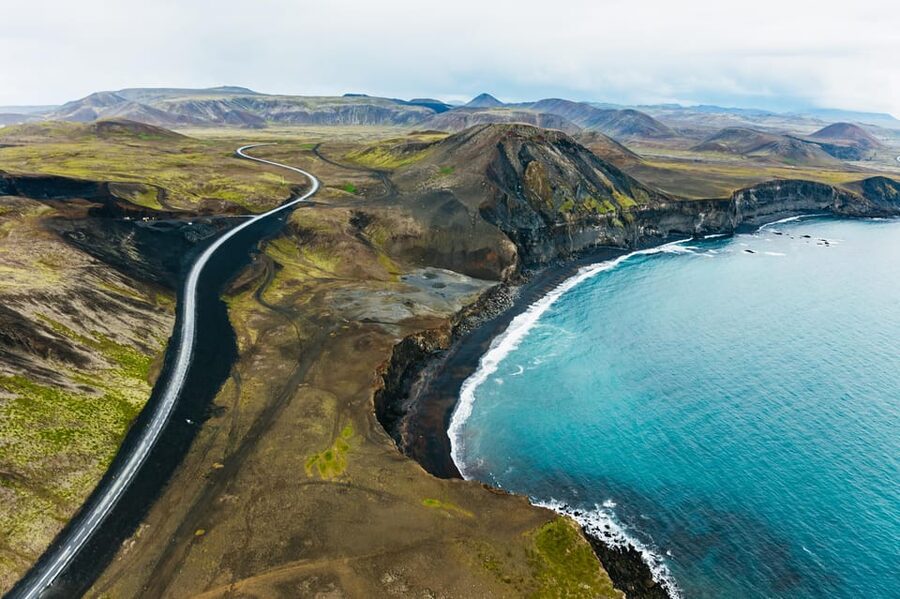
The flight continues toward Grindavik for roughly 10 minutes. This section adds an important human view to the volcanic story.
The town has been affected by the recent eruptions, evacuations, and ground movement. From the air, you see not just a dramatic natural event but also the places where people live and work. That can make the flight feel less like a simple sightseeing loop and more like a look at an area still dealing with a powerful natural force.
A responsible approach matters here. The volcanic area is not merely a backdrop for photographs. Eruptions have caused real disruption and loss for local residents. Seeing Grindavik from the air gives you useful context for the scale of the event, while the pilot’s commentary helps connect the craters and lava fields to the nearby town.
The helicopter may also pass over additional recent eruption sites and older lava flows. The exact view depends on weather, airspace restrictions, and volcanic conditions on the day.
The Possible Lava-Field Landing
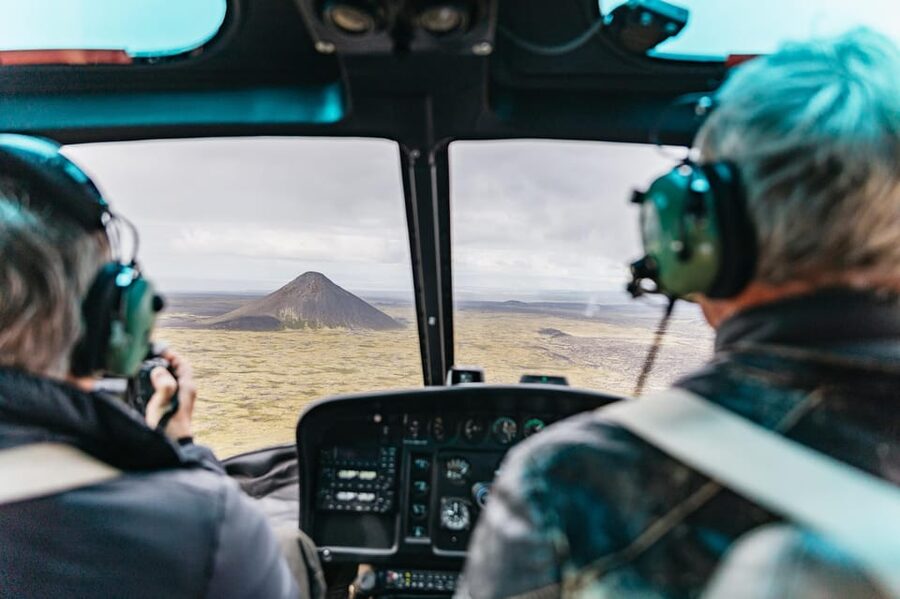
A landing is not listed as a standard guarantee, but it has happened when conditions allow. Several flights have touched down near older lava, giving passengers a few minutes to step out and walk on the cooled surface.
That can transform the experience. Flying over a black lava field shows its size. Standing on it gives you a sense of texture and scale. The ground may look solid and ancient, yet some flows are recent enough to have formed within the last few years.
You should treat a landing as a bonus, not as part of the price calculation. Weather, ground conditions, flight rules, and the volcanic situation all control whether it is possible. If the helicopter stays airborne for the full trip, you are still receiving the advertised aerial tour.
The landing is also not a hike. It is a short stop near the helicopter, not a long walk across the peninsula. If you want a full volcanic trek, this is the wrong product. If you want the rare chance to stand on recent lava after seeing it from above, it can be a remarkable extra.
Returning to Reykjavik After 40 Minutes
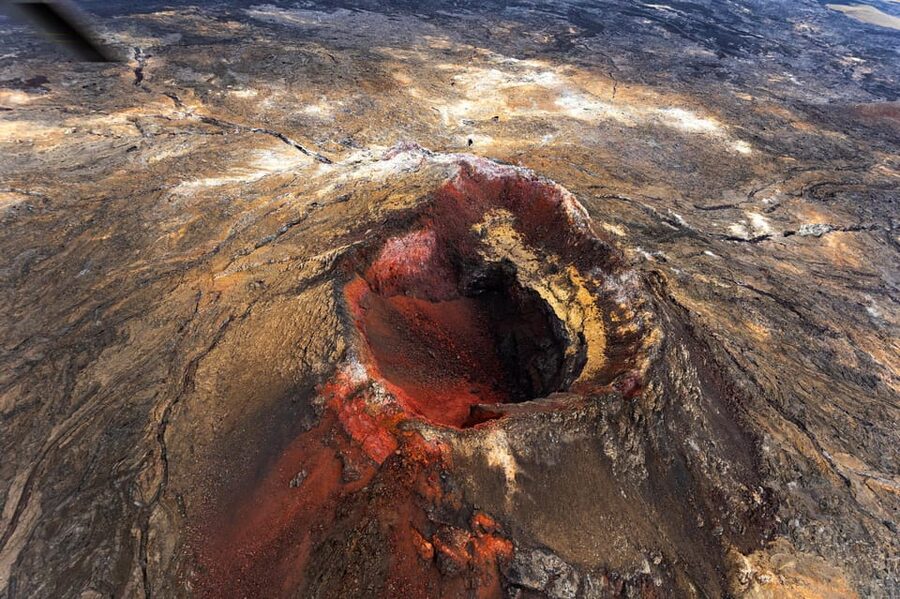
The return flight takes about five minutes and brings you back to Ace FBO. The full experience lasts around 40 minutes, though the listing also describes the flight as 30 to 40 minutes. The exact time can vary with the route and conditions.
Several people have found the time too short for the price. That is the clearest criticism to consider. Helicopter flights are expensive to operate, and this one covers a special area, but $577 is still a lot for a brief excursion.
I would judge the value by your priorities. For a first helicopter flight, a special occasion, or a trip built around seeing recent volcanic activity, the price may feel justified. The combination of a small cabin, expert piloting, multiple eruption zones, and a possible landing is hard to match by road.
If you are mainly looking for a low-cost view of Icelandic scenery, spend the money elsewhere. You can see Mount Esja and Faxafloi Bay from other places in and around Reykjavik. The distinctive reason to book this flight is the volcanic area and the ability to see its full shape from above.
Weather, Eruptions, and Smart Booking
Weather is the biggest practical issue. Flights can be canceled or moved because of low visibility, wind, volcanic conditions, or official safety rules. Several bookings have required rescheduling, and the operator has been flexible when weather prevented departure.
I suggest booking early in your Iceland stay if your schedule allows. That leaves you extra days for a second attempt if the weather turns bad. You may also want to keep the rest of that day flexible, since a delayed flight can shift your plans.
The volcano itself is another uncertainty. The tour cannot promise visible lava. You might see a live crater, smoke, and flowing streams, or you might see cooled fields and older cones. The latter still offers a powerful view, but only if you are interested in geology and recent change, not just spectacle.
A minimum of four passengers is required for the flight to operate. If you weigh more than 120 kilograms, you must book an additional seat. These rules can affect availability and total cost, so check them before confirming.
Free cancellation is available up to 24 hours in advance, and you can reserve now and pay later. That flexibility is useful for an Iceland itinerary, where weather often forces changes.
Who Will Get the Most From This Flight?
I would recommend this tour to you if you want a close aerial look at Iceland’s newest volcanic sites without committing to a long ground excursion. It is especially suitable for a first helicopter flight, a birthday or anniversary treat, photographers, and anyone fascinated by the physical signs of an eruption.
The small group also works well for people who dislike large organized excursions. Pilots have been praised for smooth flying, clear safety briefings, and helping passengers on both sides see the crater. That makes the cabin feel more considered than a simple point-to-point flight.
You should think twice if $577 would put pressure on the rest of your trip. You should also reconsider if your only goal is guaranteed flowing lava. No operator can promise that, and this activity makes clear that eruptions may or may not be active.
Should You Book the Reykjanes Helicopter Tour?
Book it if you want the rare combination of a short Reykjavik departure, a six-person helicopter, several recent eruption sites, and a possible walk on cooled lava. The most valuable part is not just seeing one crater. It is understanding the scale of the Reykjanes volcanic area from above.
I would reserve early in your stay, keep a backup time open, and arrive ready for changing conditions. If the volcano is active, you may see something extraordinary. If it is quiet, you will still get a close look at fresh craters, broad lava fields, Grindavik, Mount Esja, and Faxafloi Bay.
At this price, it is a splurge rather than a routine excursion. For a once-in-a-lifetime volcanic experience, though, it can be money well spent.
FAQ
Where does the helicopter tour begin?
The tour begins at Ace FBO Reykjavik, located just behind Hotel Reykjavik Natura. The activity provider operates from the ACE FBO building.
How long does the flight last?
The helicopter flight lasts about 30 to 40 minutes, with the advertised duration listed as 40 minutes.
How many people can join the flight?
The helicopter carries five or six passengers, and the activity is limited to six participants.
Which volcanic areas does the route visit?
The route includes the Capital Region, Litli Hrutur Volcano, Geldingadalir Volcano, Fagradalsfjall Volcano, Grindavik, and Reykjavik on the return.
Will I definitely see flowing lava?
No. Eruptions are natural events and may or may not be active during your visit, so visible lava is not guaranteed.
Can the helicopter land near the lava fields?
A landing may be possible when conditions allow, but it is not guaranteed. Some flights have landed near recent lava fields for a short walk.
Is the tour available in English?
Yes. The tour includes an English-speaking live guide and an English audio guide.
What happens if the weather is bad?
Flights are weather-dependent and must follow safety rules set by the Department of Civil Protection and Emergency Management. The flight may be delayed, rescheduled, or canceled.
What if I weigh more than 120 kilograms?
If you weigh over 120 kilograms, you must book an additional seat.
Newest write-ups around Reykjavik
- Private Snæfellsnes National Park★ 5.0 · 3 reviews
- Private South Coast tour with Glacier walk★ 5.0 · 3 reviews
- Exclusive Westman Islands Adventure – A Private Day Tour★ 5.0 · 3 reviews
- Blue lagoon Premium and Private Golden circle tour★ 5.0 · 3 reviews
- Private Superjeep Tour To Landmannalaugar and Hekla Volcano★ 5.0 · 3 reviews
- Private South Coast Tour: A Journey to Iceland’s Stunning Shore★ 4.5 · 3 reviews
- Reykjavik: PRIVATE Golden Circle tour with 5 TOP stops★ 5.0 · 3 reviews
- Sólheimajökull Glacier Hiking Tour★ 3.7 · 3 reviews
Helicopter Tours, compared.
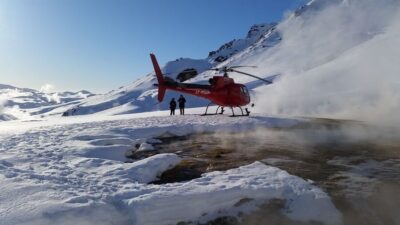
1-Hour Helicopter Tour in Iceland: The Geothermal Tour
Read our review →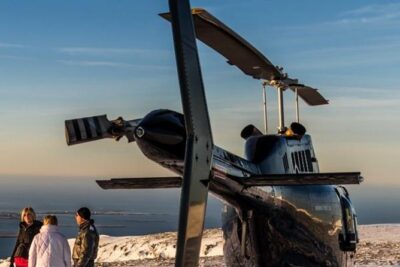
Helicopter Tour with Mountain Summit Landing from Reykjavik
Read our review →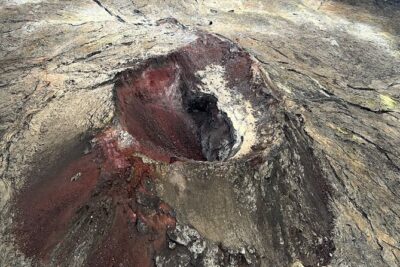
Iceland Volcanic Eruption Area Helicopter Tour from Reykjavík
Read our review →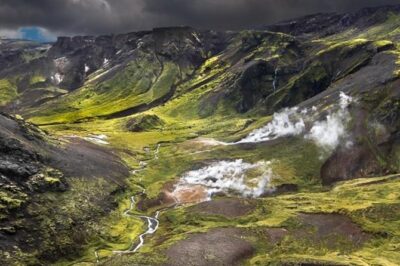
Helicopter Flight Over Geothermal Landscapes from Reykjavik
Read our review →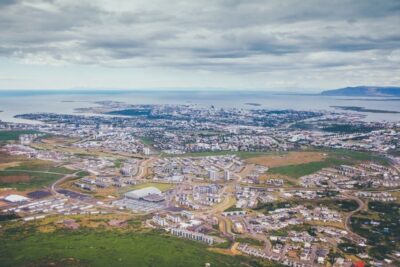
Panoramic Helicopter Flight with Summit Landing
Read our review →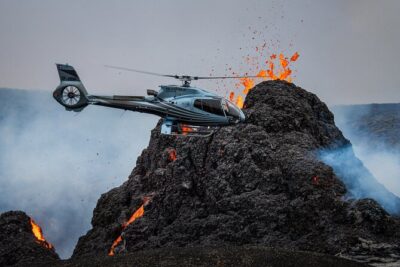
Helicopter Tour Over Iceland’s Reykjanes Volcano Eruption Site
Read our review →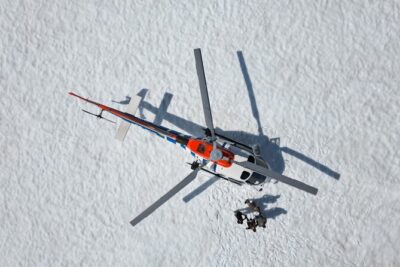
Fire and Ice Helicopter Tour: Glacier and Hengill Geothermal Area
Read our review →
Browse the lists this tour appears in